

K-pop visibility and cosmetic-surgery interest can appear in the same online discussion without proving that one caused the other. Search activity, influencer posts and clinic enquiries need careful definitions before they support a demand claim.
This guide is for teams reviewing UK-facing eyelid-surgery content. It does not recommend a procedure or treat a conversion target as evidence of patient benefit.
Define the procedure and the claim
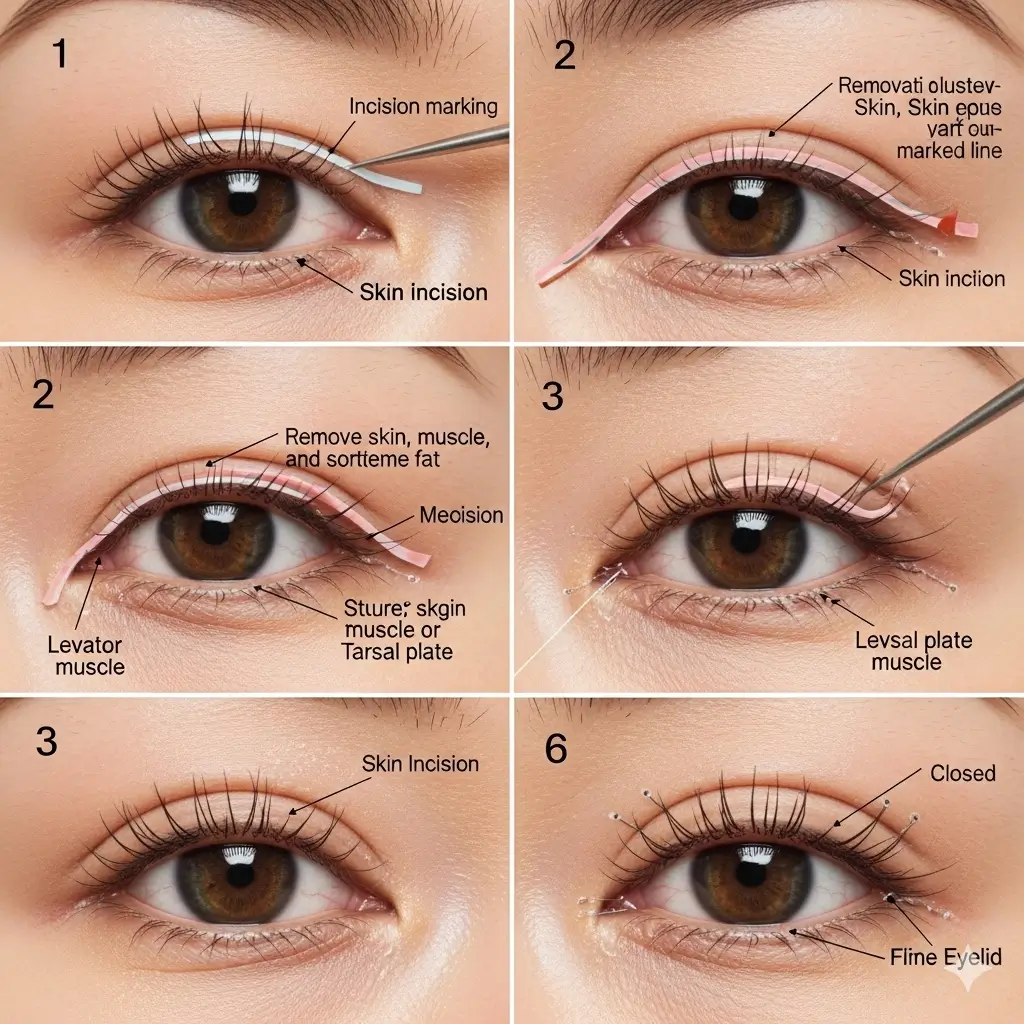
Ask a qualified clinician to review the terminology. Creating or modifying an eyelid crease should not be described as identical to every procedure marketed as blepharoplasty. Explain the actual service and its limits.
The NHS eyelid-surgery page provides general information about blepharoplasty, including risks and follow-up. It cannot establish suitability or expected results for a particular person or technique.
Separate interest from clinical demand
Record the source, dates, geography and meaning of each metric. Search impressions, enquiries, consultations and procedures are different measures. Do not turn a small set of posts into a national growth percentage.
If discussing K-pop, describe the observed content rather than diagnosing fans’ motives or speculating about artists’ surgery. Do not use an unverified celebrity procedure as an endorsement.
Apply the relevant advertising guidance
ASA/CAP cosmetic-interventions guidance addresses misleading claims, images, responsible presentation and restrictions on targeting under-18s. Review the current rules for the actual channel and audience.
A fan page, creator partnership or organic social post is not automatically outside advertising requirements. Have targeting, disclosures, objective claims and the complete customer journey reviewed by an appropriately qualified compliance adviser.
Avoid pressure and appearance hierarchy
Do not imply that one eye shape is defective, that surgery is necessary to belong or that a procedure guarantees confidence, happiness or career success. The ASA’s social-responsibility guidance addresses exploiting insecurities and trivializing treatment.
Before-and-after images and testimonials need proper permissions, accurate context and support for objective claims. Do not fabricate reviews, alter the result or use a celebrity lookalike to imply endorsement.
Make the practical information easy to find
| Information | What to make clear |
|---|---|
| Clinician and facility | Who provides care and how credentials can be checked |
| Scope and risks | The actual procedure and individual consultation |
| Price and finance | Included costs, exclusions and full written terms |
| Aftercare | Who responds, where care is available and how complaints work |
For services in England, the NHS page points readers to CQC clinic information and GMC doctor registration. Other UK nations and overseas treatment require their own applicable checks.
Audit one cosmetic-procedure advertisement before judging its success
For an editorial review, save the ad’s exact wording, image context, target audience and linked patient-information page. Separate a claim about results from information about the consultation process. An increase in inquiries does not establish that prospective patients received balanced information.
Use the applicable UK advertising guidance to check the particular presentation, including whether risk and decision-making are treated responsibly. Keep the review focused on the ad actually seen rather than asserting that a cultural trend establishes clinical demand or an individual need for surgery.
| Focus | What to check |
|---|---|
| Claim | What outcome or advantage is explicitly stated or implied? |
| Evidence | What supports that particular claim and presentation? |
| Patient information | Where can the reader find risks, limitations and consultation details? |
A reader question: Does a high number of clicks make a cosmetic-surgery ad responsible?
No. Clicks measure a response to an ad, not the adequacy of its evidence, targeting or patient information. Evaluate those questions separately and avoid presenting cosmetic intervention as a guaranteed route to confidence or social acceptance.
Review outcomes beyond form submissions
Check whether people can understand the service, risks, total costs and aftercare without being pushed to book. Collect health information only through an appropriate secure route with a clear purpose.
Use an editorial sign-off record showing who checked clinical information, evidence, advertising requirements and update dates. This worksheet does not certify legal compliance, consent quality or a safe clinical outcome.
Editorial revision: October 20, 2026. Verify current provider terms and official requirements where relevant. Examples marked as constructed are not quotes or research findings. This guide makes no personal-testing, health, legal, ranking, income or outcome guarantee.