Korean Language Programs: Visa, Tuition and Housing

Plan a Korean language program budget and application file, including visa documents, tuition, insurance, accommodation and school-specific requirements.

Culture, everyday life & practical guides to Korea.
Explore our Korean Language guides. Choose an article below, or search for a specific question.
Plan a Korean language program budget and application file, including visa documents, tuition, insurance, accommodation and school-specific requirements.

Understand why familiar speech assumptions may not transfer to Korea, and organize evidence and legal questions before posting or responding to a dispute.

Read cute Korean online endings through relationship, tone and context, and understand why the same form can sound warm, playful or out of place.

Compare the usual speaker and listener relationships behind oppa, unni, hyung and noona, and check familiarity before using a kinship term outside family.
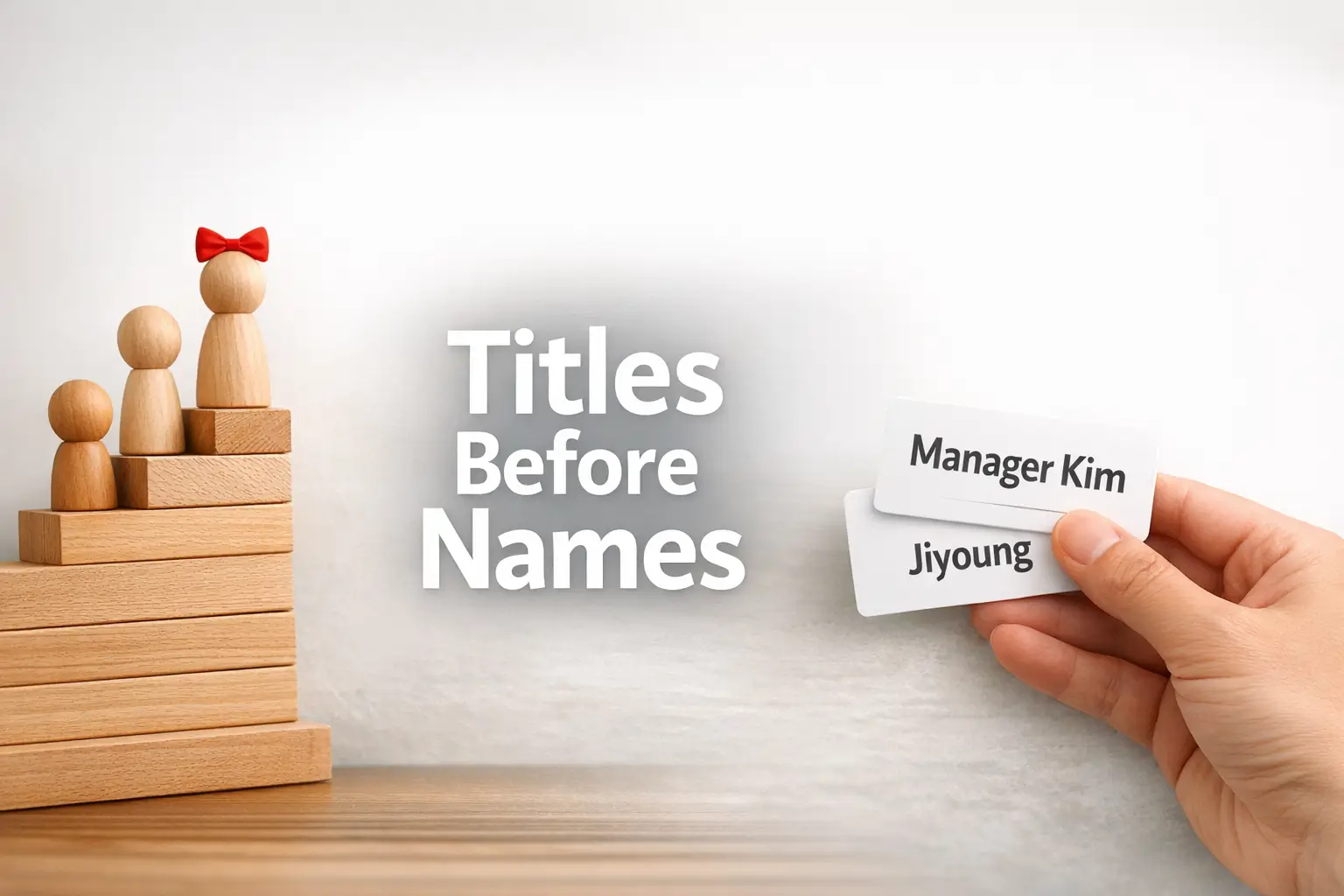
Understand role titles, names and respectful forms of address in Korean, and ask a person’s preference when age, familiarity or workplace context is unclear.

Understand fighting and hwaiting as Korean expressions of encouragement, see when they fit and distinguish the supportive meaning from literal combat.

Compare common Korean apology and excuse-me phrases by relationship, formality and the actual inconvenience, with context for choosing an appropriate response.

Choose a Korean form of address by checking the person’s role, relationship and preference, with examples of titles and name-plus-nim patterns.

Practice practical Korean greetings, requests and thanks for restaurants, shops and hotels, and ask for clarification without aiming for perfect honorifics.