How Koreans Use Cute Language Endings Online and What They Actually Signal

cute Korean endings online

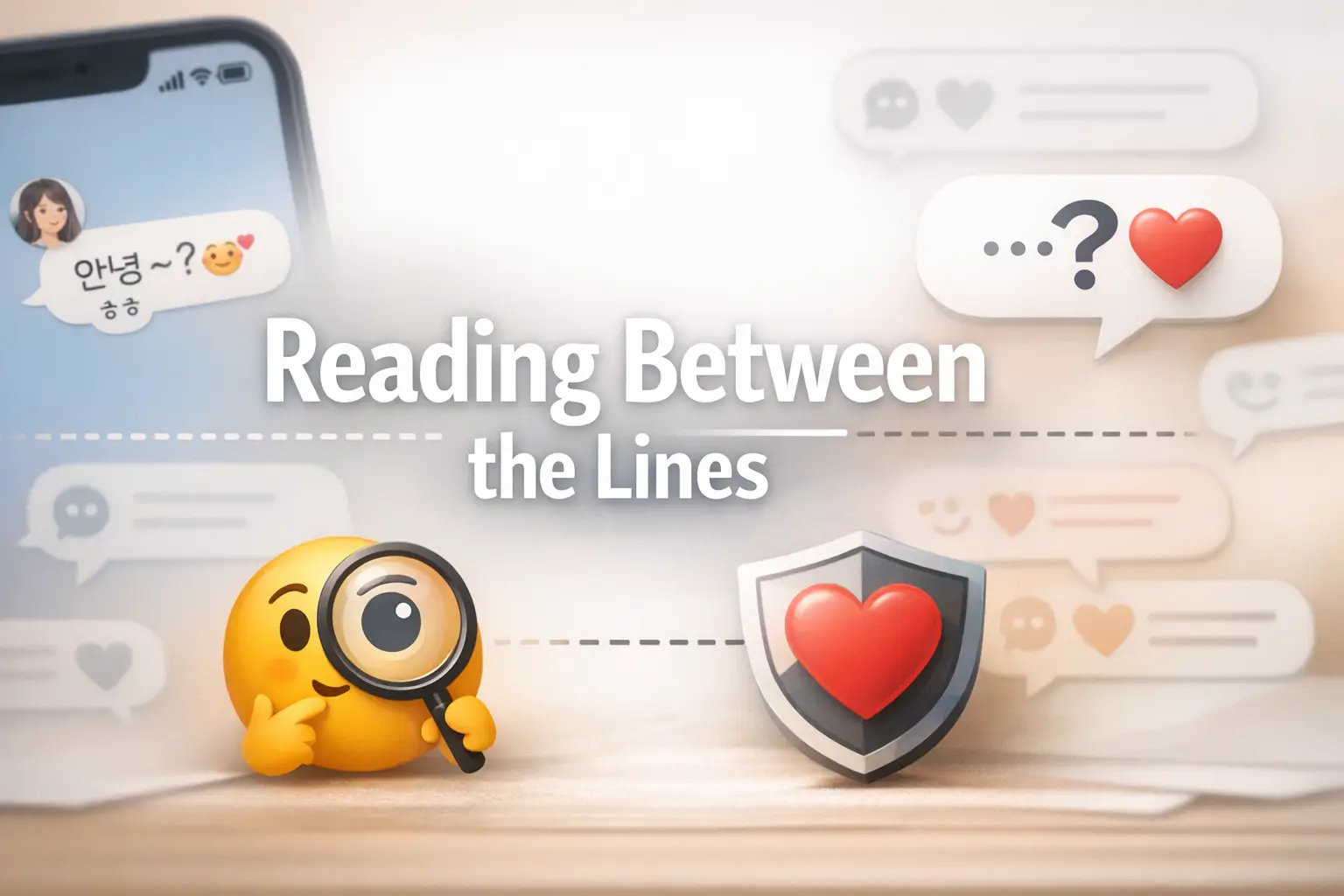
Beyond the Literal: Decoding the Social Power of Korean Digital Endings A single cute Korean ending can do the work of a paragraph. It can soften a refusal, signal closeness, hide awkwardness, or turn an otherwise flat message into something warm, teasing, or carefully padded. For the uninitiated, these endings are easy to misread. While … Read more

Why Texting in Korea Can Feel More Formal Than Texting in the West

Korean texting formality

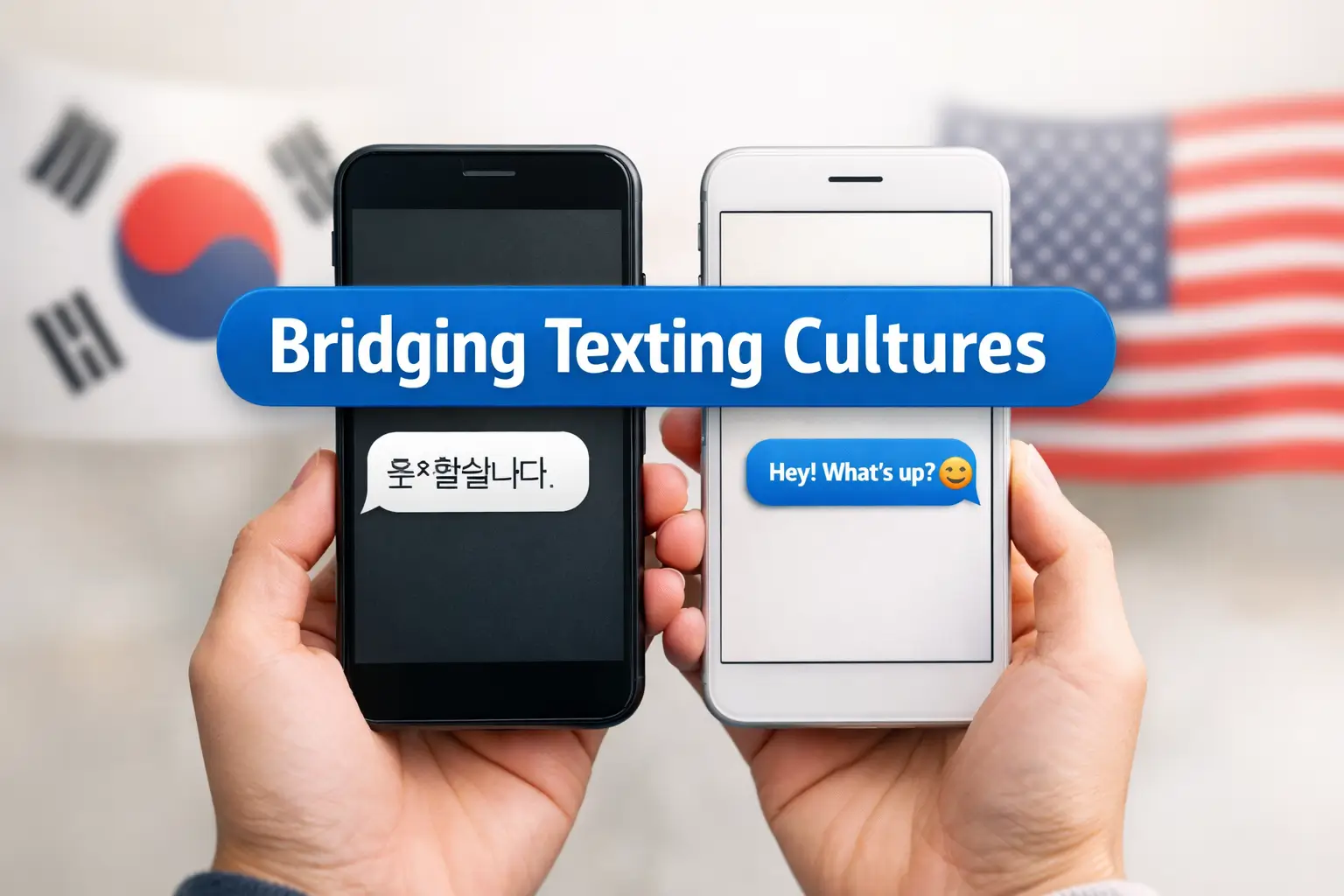
Decoding the Layers of Korean Digital Etiquette Korean texting can feel strangely overdressed to Anglo-American readers. A simple message that would pass as friendly and efficient in the West can arrive in Korean with a greeting, a softener, a careful ending, and just enough restraint to make someone wonder whether they are being welcomed or … Read more

Why Foreigners Hear Oppa, Unni, Hyung, and Noona Everywhere and Still Get Confused

oppa unni hyung noona meaning

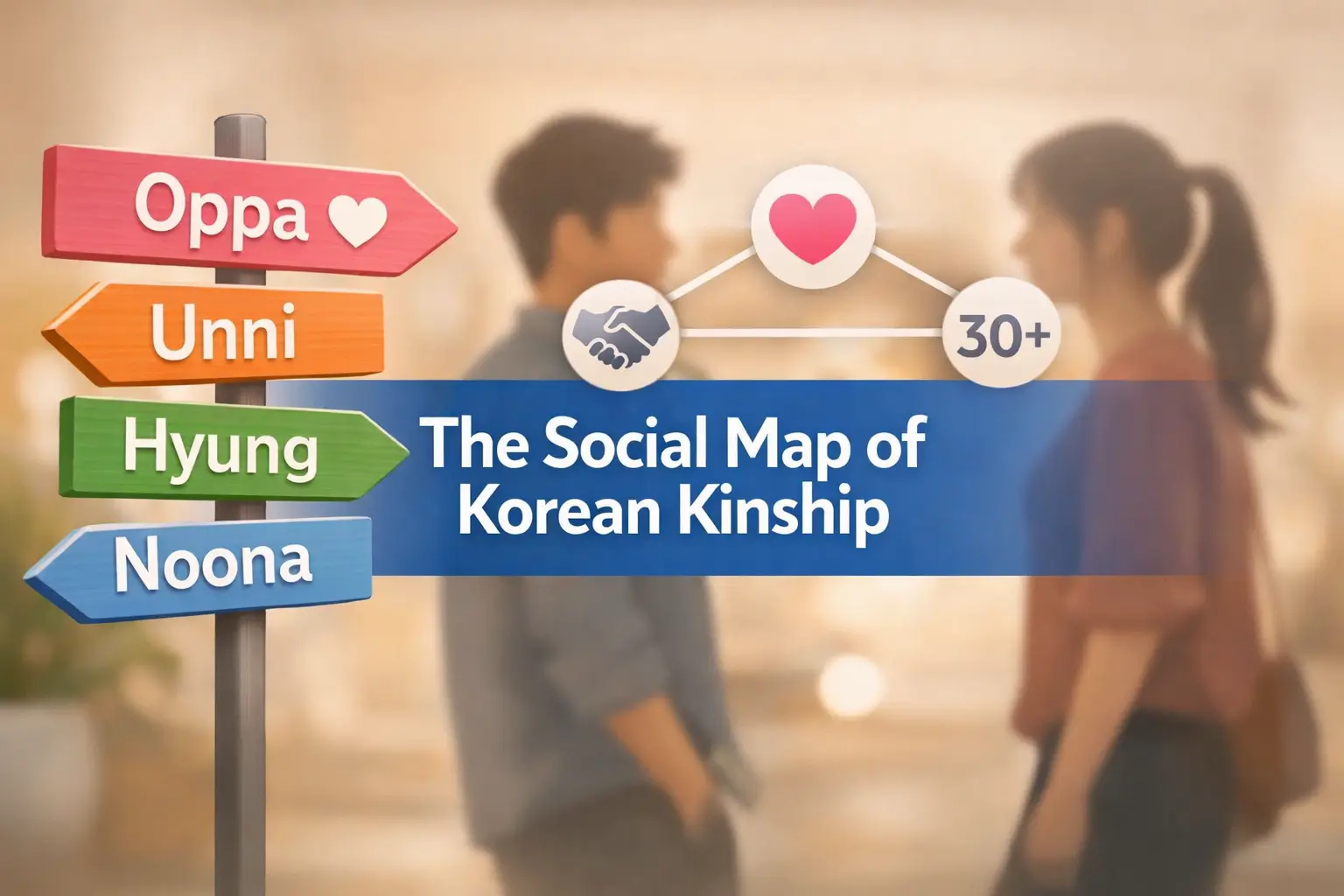
The Social Map of Korean Kinship You can memorize oppa, unni, hyung, and noona in under two minutes and still get them wrong in real life. That is because these Korean kinship terms are not just vocabulary. They are social positioning disguised as simple words. For many English-speaking learners, the confusion starts when dictionaries say … Read more

Why Koreans Use Titles Instead of First Names So Often

Korean titles vs first names

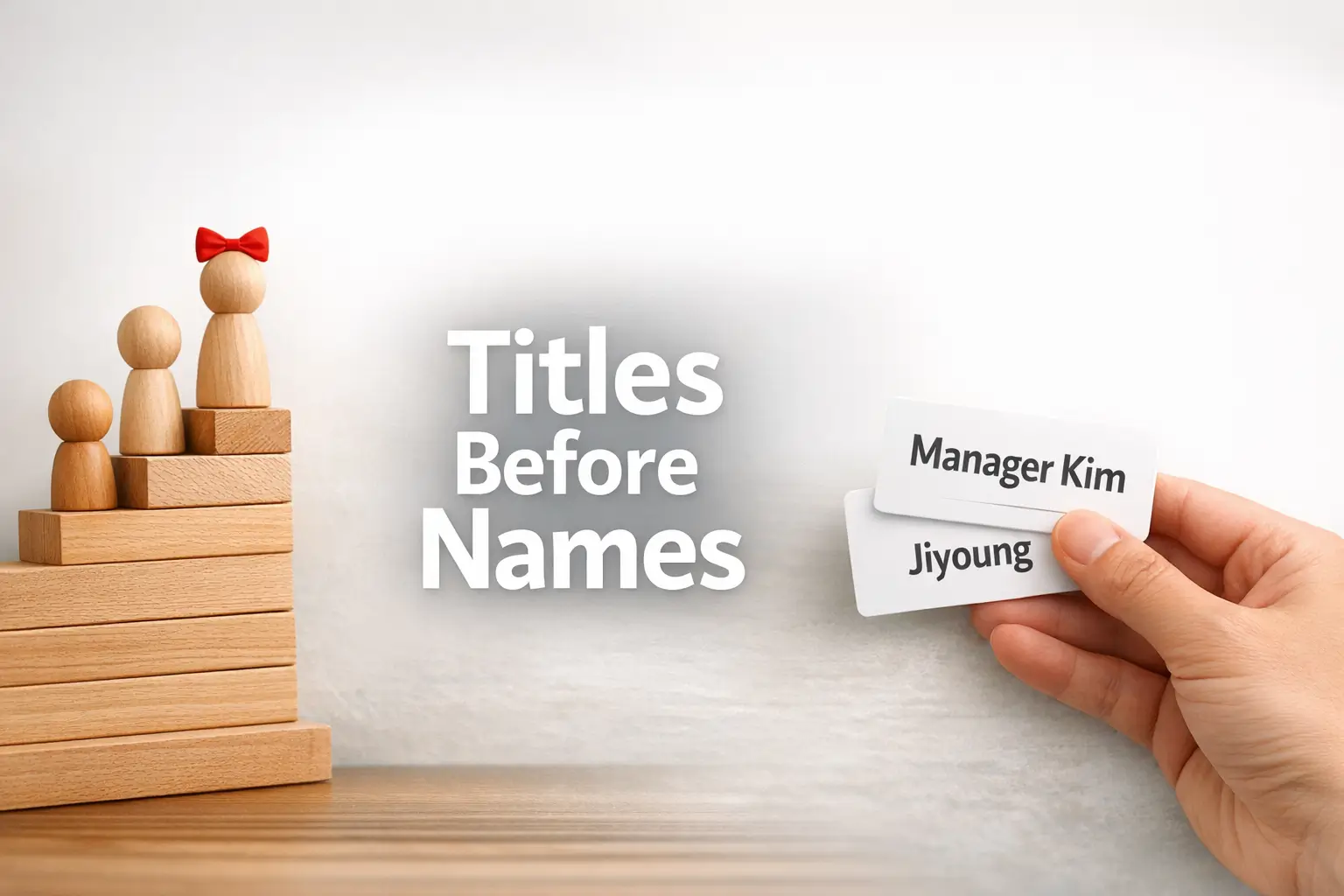
The Choreography of Connection In Korea, getting someone’s name “right” is not always about the name at all. It is about relationship, rank, age, warmth, and social timing, which is why Koreans use titles instead of first names far more often than many Anglo-American readers expect. That gap can create surprisingly awkward moments. A choice … Read more

What Foreigners Get Wrong About Korean Politeness That Is Actually About Context

Korean politeness

Beyond the Checklist: Cracking the Code of Korean Politeness What foreigners get wrong about Korean politeness is not usually the bow, the honorific, or the dinner rule they forgot from a travel reel. It is the assumption that politeness in Korea works like a fixed checklist, when in practice it often works more like context: … Read more

Why Koreans Ask If You Have Eaten Yet and What the Question Really Means

why Koreans ask if you ate

More Than a Meal: The Hidden Music of Korean Greetings “Have you eaten yet?” can sound oddly intimate in English, almost too specific for small talk. In Korea, though, that question usually is not a food audit. It is often a soft check-in, a tiny social bridge, and sometimes a way of asking whether life … Read more

What It Means When Koreans Say “Fighting” and Why It Sounds Stranger in English

korean fighting meaning

More Than a Word: The Soul of Korean “Fighting” The first time an English speaker hears a Korean friend say “Fighting!” before an exam or a rough shift, the brain does a tiny, comic skid. The word sounds like conflict, but the moment is pure encouragement. That small collision is exactly why the expression keeps … Read more

Korean Apology Culture: The Nuance and “Severity” of Apologies (죄송합니다 vs. 미안해요 vs. 실례했습니다)

Korean apology phrases

The Social Dashboard: Mastering the Korean Art of Apology Korean apology culture isn’t just about a bigger “sorry” table—it’s a small social dashboard: distance, respect, and the weight of inconvenience, all balanced in a single breath. 죄송합니다 (Joesong-hamnida) Formal accountability for public, work, or strangers. 미안해요 (Mian-haeyo) Warmer, relational tones for rapport and peers. 실례했습니다 … Read more

Korean Small Talk Topics to Avoid (Age, Salary, Marriage) + Polite Response Lines

Korean personal questions etiquette

Mastering the Pivot: Navigating Korean Social Boundaries A tangerine appears in your hand like a peace offering, and then the questions arrive in quick succession: Korean small talk topics to avoid like age, salary, and marriage. For many Anglo-American readers, it’s not the topic itself that stings. It’s the speed, the certainty, and the feeling … Read more

13 Surprisingly Useful Insights about Korean curse words (So You Don’t Accidentally Giggle at the Wrong Moment)

Pixel art of a surreal neon Seoul night where Korean curse words look cute in round speech bubbles but hide sharp meanings, showing a laughing and a serious character.

13 Surprisingly Useful Insights about Korean curse words (So You Don’t Accidentally Giggle at the Wrong Moment) I once laughed in a Seoul taxi at a word that sounded like a kitten sneeze. Spoiler: it wasn’t cute—it was a Grade-A expletive. If you want to save face, budget, and relationships, this post gives you fast, … Read more