
Korean shamanic traditions encompass different regional practices, ritual specialists and communities. A public performance, a private consultation and a community ritual are different situations. Avoid treating an online anecdote as evidence of a nationwide revival or a predictable supernatural result.
Learn terms with their local context
Mudang is a commonly used term for a ritual specialist, with other names and distinctions in particular traditions. Gut refers to ritual practices that can involve music, movement, offerings and speech. Neither term describes one identical ceremony performed everywhere.
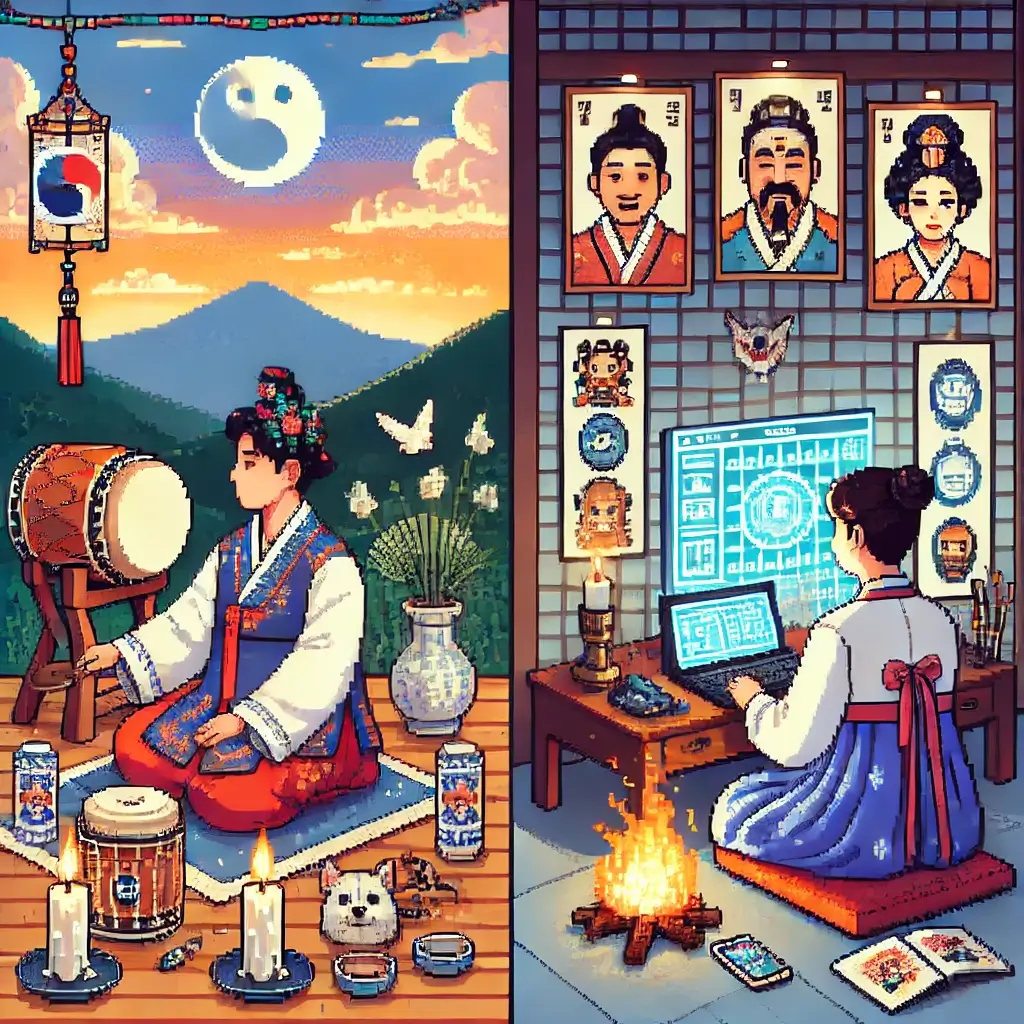
Ask what kind of event you are observing
A heritage presentation may select elements for an audience, while a community or household rite has its own participants and purposes. Identify the organizer and explanation. A staged demonstration should not be used to infer every private participant’s belief.
Respect consent and boundaries
Ask before photographing people, offerings or a private ritual. Follow the host’s directions about where to stand and whether participation is optional. Do not handle objects, interrupt a ceremony or publish someone’s personal account without consent.
Keep interpretation separate from guarantees
Participants may describe experiences through religious belief, family history or personal meaning. Present those accounts as accounts. A ritual cannot be promised to cure illness, secure money or resolve every difficulty. Decline pressure to make an immediate payment or disclose private information.
A practical next step
Further reading: official or specialist reference for this topic. Check the specific entry, object, edition or current provider notice relevant to your question.
Editorial revision: October 18, 2026. Practice examples are editorial constructions. The discussion distinguishes documented information, interpretation and personal choice.