
The Ultimate Guide to Korean Skincare for Sensitive Souls
Hey there, fellow sensitive skin survivors! 🙋♀️ If your face throws a full-blown rebellion every time you try a new product—redness, burning, mysterious bumps—welcome to the club. My skin has always been the dramatic type. One wrong move and boom, it’s like I’ve personally offended it. For the longest time, my bathroom looked more like a dermatology graveyard than a skincare shelf.
But then—cue the soft lighting and angelic choir—I stumbled into the world of Korean skincare. At first, I was skeptical. All those unfamiliar ingredients and 10-step routines? It felt like enrolling in skincare grad school. But once I took the plunge (carefully, patch test in hand), I realized something magical: K-beauty gets sensitive skin.
With its gentle, layered approach and soothing ingredients that sound more like a tea ceremony than a chemical lab, Korean skincare didn’t just calm my face—it kind of healed my relationship with it. So if you’re tired of playing product roulette and just want something that won’t turn your cheeks into lava fields, you’re in the right place.
Let’s unpack the why and how of K-beauty for sensitive skin—minus the overwhelm, plus a little glow-up joy. ✨
Table of Contents
—
Understanding Sensitive Skin: It’s Not Just a Feeling, It’s a Reality!
Before we dive headfirst into the glorious world of essences and ampoules, let’s get on the same page about what “sensitive skin” actually means. It’s more than just a vague feeling; it’s a legitimate skin type (or condition, depending on who you ask) where your skin’s natural barrier is compromised or simply more reactive than others.
Think of your skin barrier like a bouncer at a super exclusive club. For sensitive skin, that bouncer might be a bit tipsy or just plain missing, letting all sorts of irritants crash the party – pollution, harsh chemicals, even extreme temperatures. This leads to symptoms like:
Redness and flushing
Itching or stinging sensations
Dryness and flakiness
Tightness or discomfort
Breakouts (yes, sensitive skin can still get acne!)
I remember one disastrous attempt at using a popular foaming cleanser that left my face feeling like I’d just rubbed it with sandpaper. Lesson learned: listen to your skin! Understanding these signs is crucial because it helps you choose products that soothe rather than agitate. —
The K-Beauty Philosophy: Why It’s Perfect for Sensitive Skin
So, what makes Korean skincare such a perfect match for temperamental skin? It really boils down to its core philosophy:
Gentle, Layered Hydration is King
Unlike some Western approaches that might advocate for aggressive exfoliation or strong actives, K-beauty prioritizes gentle, consistent hydration. It’s all about building up moisture layer by layer, nourishing your skin barrier, and letting it heal. This isn’t about slapping on one thick cream; it’s about a symphony of lightweight, hydrating steps that work in harmony.
Prevention Over Reaction
Koreans often view skincare as a preventative measure, starting from a young age. This means focusing on maintaining skin health and preventing issues before they even arise. For sensitive skin, this translates to using soothing ingredients and avoiding potential irritants from the get-go, rather than trying to fix a full-blown crisis later.
Nature-Inspired Ingredients
Many beloved Korean skincare ingredients are derived from nature – think green tea, Centella Asiatica, mugwort, and snail mucin. These aren’t just trendy; they’ve often been used in traditional medicine for centuries and are celebrated for their calming, healing, and barrier-supporting properties. It’s like bringing a calming spa day to your face, every day! —
Your Skin’s New Best Friends: Must-Have Korean Ingredients for Sensitive Skin
When you’re navigating product labels, keep an eye out for these superhero ingredients. They’re like the comforting embrace your sensitive skin has been craving:
Centella Asiatica (Cica)
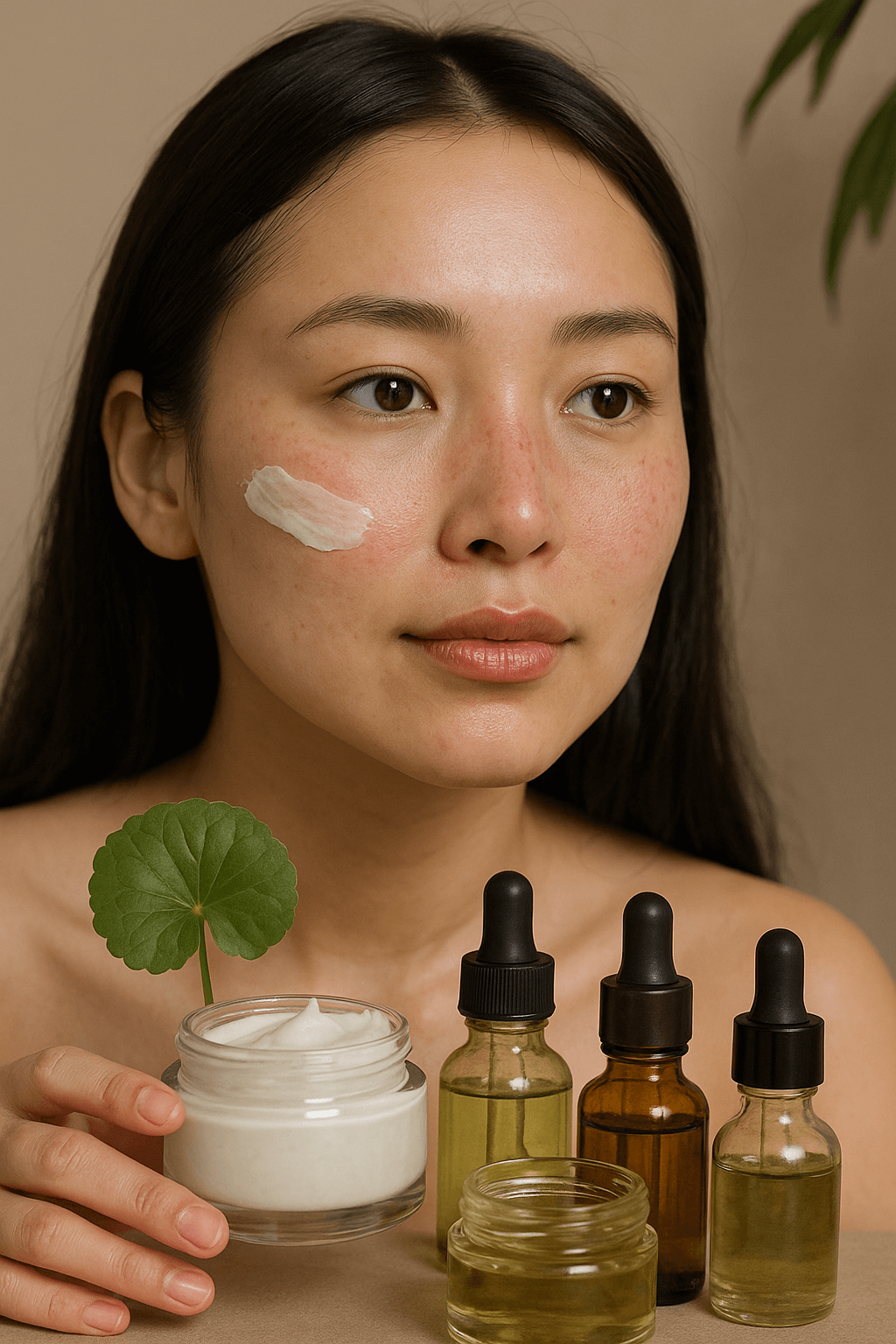
If there’s one ingredient you absolutely need in your sensitive skin arsenal, it’s Cica. This humble herb, often called “tiger grass” because tigers supposedly roll in it to heal their wounds, is a miracle worker for irritated skin. It’s packed with compounds that calm inflammation, accelerate wound healing, and strengthen the skin barrier. Seriously, if Cica were a person, it would be that wonderfully serene friend who always knows how to make everything better. Look for it in toners, serums, and creams.
Mugwort
Ah, mugwort! This lesser-known but equally powerful botanical is gaining serious traction, and for good reason. It’s a fantastic anti-inflammatory and antioxidant, making it superb for redness and irritation. It also has antibacterial properties, which is a bonus if your sensitivity comes with occasional breakouts. It feels incredibly soothing and luxurious on the skin.
Snail Mucin
Okay, I know what you’re thinking: snails? Really? But hear me out! Snail mucin is a superstar for sensitive and damaged skin. It’s loaded with hyaluronic acid, glycoproteins, and enzymes that promote healing, boost hydration, and even out skin tone. It’s surprisingly lightweight and absorbs beautifully. I was skeptical at first, but now I’m a total convert!
Ceramides
These are naturally occurring lipids in your skin that act like the mortar between the bricks of your skin barrier. When your barrier is compromised (hello, sensitive skin!), ceramides help to patch up those gaps, preventing moisture loss and keeping irritants out. They’re essential for building skin resilience.
Hyaluronic Acid
While not exclusively a K-beauty ingredient, hyaluronic acid is a staple in most Korean formulations because it’s a hydration powerhouse. It can hold up to 1000 times its weight in water, drawing moisture into the skin and plumping it up. For sensitive skin, this means juicy, happy, less reactive skin.
Propolis
Another incredible ingredient derived from bees, propolis is known for its antibacterial, anti-inflammatory, and healing properties. It’s fantastic for calming redness and protecting the skin from environmental stressors. Plus, it gives your skin a lovely glow! —
Crafting Your Sensitive Skin K-Beauty Routine: A Step-by-Step Guide
The famous 10-step Korean skincare routine can sound daunting, especially when your skin is easily overwhelmed. But the beauty of it is that it’s flexible! For sensitive skin, we’ll simplify it to focus on core steps that truly nurture and protect.
Step 1: Oil Cleansing (Evening)
Forget everything you think you know about oil and sensitive skin. An oil cleanser is your secret weapon for gently dissolving makeup, sunscreen, and daily grime without stripping your skin. Look for formulations with minimal essential oils or fragrances. It should emulsify easily with water and rinse clean.
My personal tip: Massage gently for about a minute. It’s oddly therapeutic and helps break down impurities effectively. No harsh scrubbing needed!
Step 2: Water-Based Cleansing (Morning & Evening)
Follow up with a low pH, gentle water-based cleanser. Foaming cleansers can be too harsh, so opt for a milky, gel, or cream cleanser. The goal here is to remove any remaining residue without disturbing your skin’s natural barrier. Avoid anything that leaves your skin feeling “squeaky clean” – that’s a sign it’s too stripping!
Step 3: Toner (Morning & Evening)
This isn’t your old-school astringent toner! Korean toners are designed to hydrate, balance pH, and prep your skin for subsequent layers. Look for hydrating, calming toners with ingredients like Centella, hyaluronic acid, or ceramides. Apply with clean hands or a soft cotton pad, gently patting it into your skin.
Step 4: Essence (Morning & Evening)
Essences are the heart of the K-beauty routine. They’re lightweight, concentrated liquids designed to deliver a burst of hydration and active ingredients deep into the skin. For sensitive skin, an essence with fermented ingredients or soothing botanicals like mugwort can be incredibly beneficial. Think of it as a pre-serum boost.
Step 5: Serum/Ampoule (Morning & Evening)
This is where you target specific concerns. For sensitive skin, focus on serums packed with Cica, propolis, or barrier-strengthening ingredients. Ampoules are like supercharged serums, often used when your skin needs an extra boost of TLC. Choose one that calms redness, reduces inflammation, and supports your skin barrier.
Step 6: Moisturizer (Morning & Evening)
This is crucial for sealing in all those lovely layers and providing a protective barrier. Opt for a rich yet non-comedogenic cream or gel-cream depending on your preference and skin type. Look for ceramides, fatty acids, and humectants to lock in moisture and prevent environmental damage. This is your skin’s cozy blanket!
Step 7: SPF (Morning)
Non-negotiable! Sun exposure is one of the biggest triggers for sensitive skin, leading to redness, irritation, and premature aging. Choose a mineral (physical) sunscreen with zinc oxide or titanium dioxide as these are generally less irritating than chemical filters. Look for broad-spectrum SPF 30 or higher. Apply generously as the last step in your morning routine.
Quick note on exfoliating: If you have sensitive skin, go easy on exfoliation. Chemical exfoliants (AHAs, BHAs) should be used sparingly, if at all, and mechanical scrubs are usually a no-go. Stick to gentle enzymes or skip this step entirely if your skin is easily irritated. —
Beyond the Basics: Product Recommendations & Pro Tips
Finding the right products is often a journey of trial and error, but here are some general types and things to look for:
Patch Testing is Your Best Friend
Seriously, I can’t stress this enough. Before slathering a new product all over your face, apply a small amount to an inconspicuous area (like behind your ear or on your inner arm) for a few days. If no reaction occurs, try a small patch on your jawline for a few more days. This simple step can save you a lot of heartache (and red faces!).
Look for “Fragrance-Free” and “Essential Oil-Free”
While some natural essential oils can be beneficial, they are common irritants for sensitive skin. “Fragrance-free” doesn’t just mean no perfumed scent; it means no added fragrance chemicals, which can be irritating. Always check ingredient lists!
Introduce New Products Slowly
Don’t try to overhaul your entire routine at once. Introduce one new product at a time, waiting at least a week (or even two!) before adding another. This way, if you react, you’ll know exactly what caused it.
Hydrating Masks Are Your Secret Weapon
Once or twice a week, treat your skin to a hydrating sheet mask or a wash-off mask packed with soothing ingredients like aloe, Cica, or mugwort. It’s like a big drink of water for your skin and helps calm any lingering irritation.
Listen to Your Skin
This is probably the most important tip. Your skin will tell you what it needs. If a product feels tingly, itchy, or uncomfortable, wash it off immediately. Don’t push through it, hoping it will get better. Sensitivity is a sign your skin barrier is unhappy. —
Common Mistakes to Avoid (Trust Me, I’ve Made Them All!)
We’ve all been there, eager to find that magic cure, only to make things worse. Here are some pitfalls to steer clear of:
Over-Exfoliating
This is probably the biggest culprit for sensitizing skin. Even if you don’t have sensitive skin to begin with, over-exfoliation can quickly turn it into a reactive mess. Less is more, especially for physical scrubs. If you must exfoliate, stick to gentle enzyme exfoliants or very mild chemical exfoliants (like PHA) once every two weeks, and always listen to your skin.
Using Too Many Actives at Once
I get it, that new Vitamin C serum looks tempting, and you also want to try that retinol. But for sensitive skin, introducing multiple strong actives (like Vitamin C, retinoids, AHAs, BHAs) at the same time is a recipe for disaster. Stick to one at a time, or alternate them on different nights, and always start with the lowest concentration.
Ignoring Ingredients Lists
It’s easy to get swayed by pretty packaging or rave reviews, but always, always check the ingredients list. Learn to recognize common irritants (fragrance, alcohol denat., certain essential oils) and steer clear. A little research goes a long way!
Hot Showers and Baths
While a steamy shower feels amazing, hot water can strip your skin of its natural oils and worsen redness and irritation. Opt for lukewarm water instead, especially when washing your face.
Not Being Consistent
Skincare is a marathon, not a sprint. You won’t see results overnight, especially with sensitive skin which needs time to heal and rebuild its barrier. Stick with a gentle routine for at least 4-6 weeks before deciding if a product or routine isn’t working. —
When to Seek Professional Help: Knowing Your Limits
While Korean skincare can do wonders, sometimes, sensitive skin issues are rooted in underlying conditions like rosacea, eczema, or contact dermatitis. If your skin sensitivity is severe, persistent, or accompanied by painful rashes, blisters, or extreme discomfort, it’s always best to consult a board-certified dermatologist. They can provide an accurate diagnosis and tailor a treatment plan that goes beyond topical skincare.
Remember, taking care of sensitive skin is a journey of patience, understanding, and a whole lot of love. By embracing the gentle, nourishing philosophy of Korean skincare, you’re not just applying products; you’re building a healthier, happier skin barrier. Here’s to calm, radiant skin that feels as good as it looks! —
Ready to dive deeper into Korean Skincare? Check out these trusted resources:
Soko Glam: Sensitive Skin Guide Peach & Lily: Sensitive Skin Tips NCBI: Skin Barrier & Sensitive SkinKorean Skincare, Sensitive Skin, Centella Asiatica, Hydration, Skin Barrier