
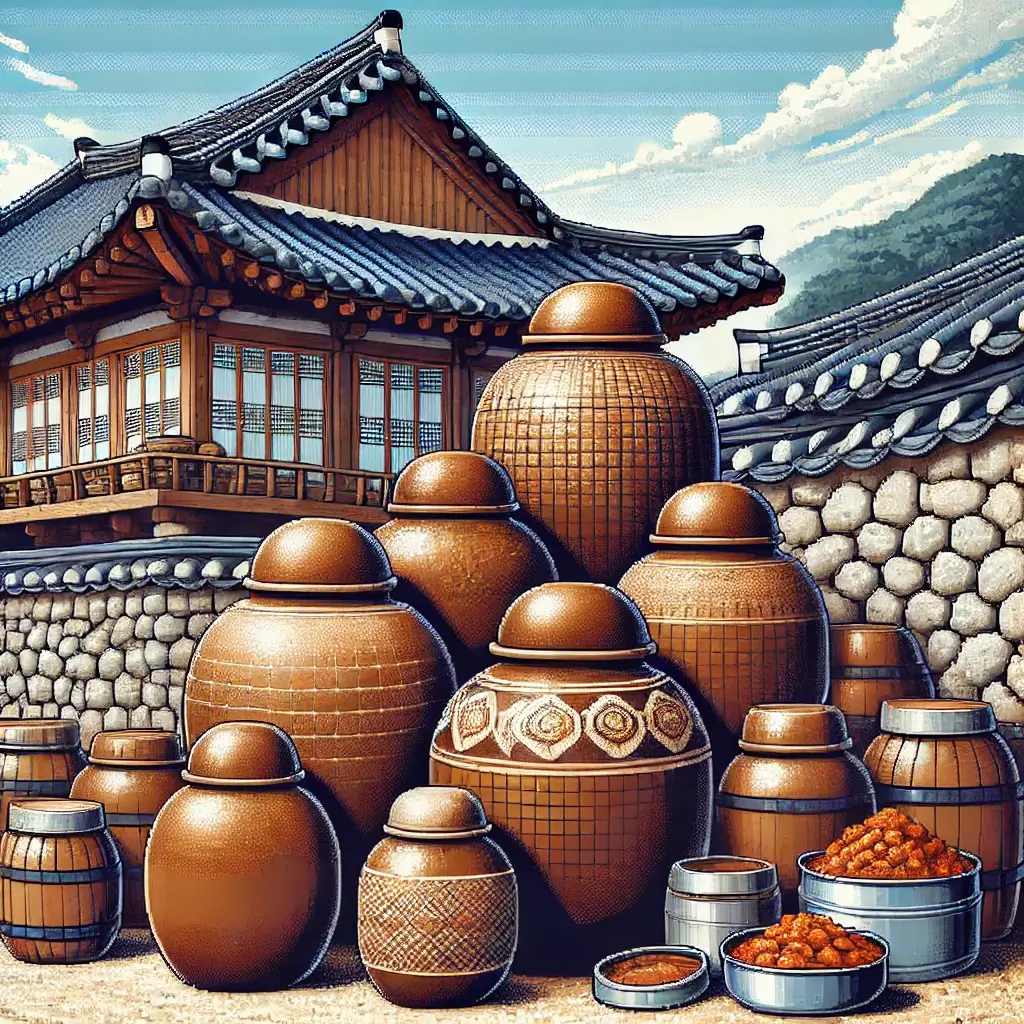
Onggi is associated with Korean earthenware vessels and food-storage practices. Shape, body, glaze and production vary. The familiar description of a pot as breathing is not enough to establish the permeability, food safety or fermentation performance of every vessel.
Identify the actual vessel
Record maker, date, dimensions, body and surface treatment where available. A contemporary decorative pot and a vessel made for food storage may look related while having different intended uses. Do not infer age or origin from a rustic appearance.
Ask what a technical claim means
If a seller claims permeability or a fermentation benefit, ask what was measured for that product. Gas movement, water absorption and a safe food-contact surface are different properties. A cultural description is not a substitute for relevant testing.
Match the vessel to its intended use
For food, follow the maker’s actual food-contact, cleaning and storage guidance and an appropriate tested food process. Do not assume an antique or decorative glaze is suitable for food. A jar alone does not make a recipe or storage routine safe.
Compare care and handling needs
Ask about weight, lid fit, cracks, drainage and any restrictions on temperature changes. Examine the item and written terms before buying. For a historical object, seek appropriate specialist advice rather than testing it with a home fermentation experiment.
A practical next step
Choose an onggi vessel by intended use and maker information
A decorative vessel and a container offered for food use need different purchase questions. Before comparing shapes or prices, state your intended use to the maker or seller. Ask what the specific item is designed for and request the relevant care information.
For a large vessel, check dimensions, usable capacity, lid arrangement and delivery handling. Do not infer performance from a photograph or a general statement about breathable pottery. The actual clay, glaze, construction and intended use require product-specific information.
| Compare | What to record |
|---|---|
| Purpose | Decoration, serving, storage or another stated use. |
| Specification | Dimensions, capacity, lid and maker’s material information. |
| Handling | Cleaning, placement, delivery and any use limitations. |
A reader question: Can any onggi vessel be used for home fermentation?
Do not assume so. Confirm that the particular vessel is suitable for the intended food use, and follow a validated food preparation method separately. A cultural explanation of onggi is not a food-safety approval of a particular pot or recipe.
Further reading: National Museum of Korea: collections and gallery information. Check the specific entry, object, edition or current provider notice relevant to your question.
Editorial revision: October 20, 2026. Practice examples are editorial constructions. The discussion distinguishes documented information, interpretation and personal choice.