Korean Traditional Dance: Six Forms and Performance Contexts

Compare six Korean dance forms through movement, music and performance setting, and use historical context rather than treating every form as interchangeable.
Culture, everyday life & practical guides to Korea.
Compare six Korean dance forms through movement, music and performance setting, and use historical context rather than treating every form as interchangeable.
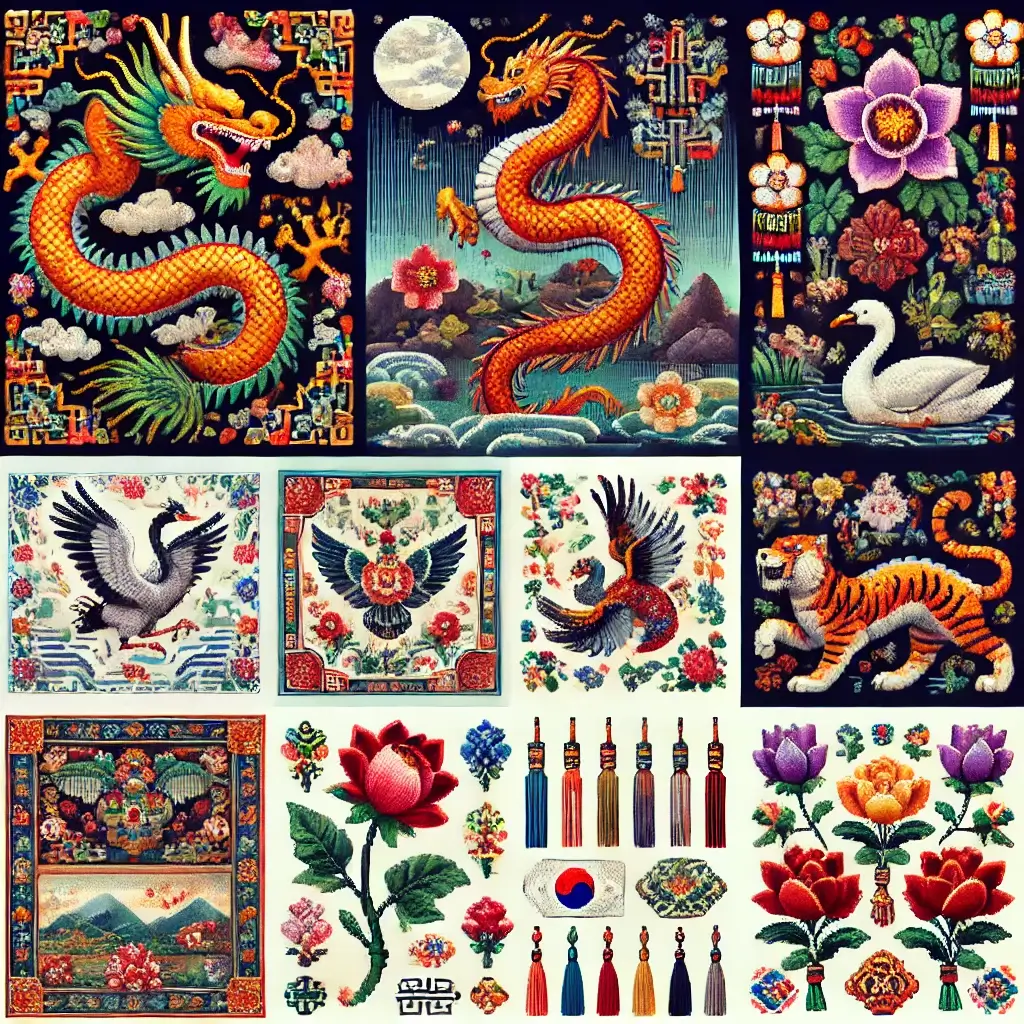
Study Korean embroidery through an identifiable textile, its materials and construction, then use reliable stitch explanations for a small learning sample.
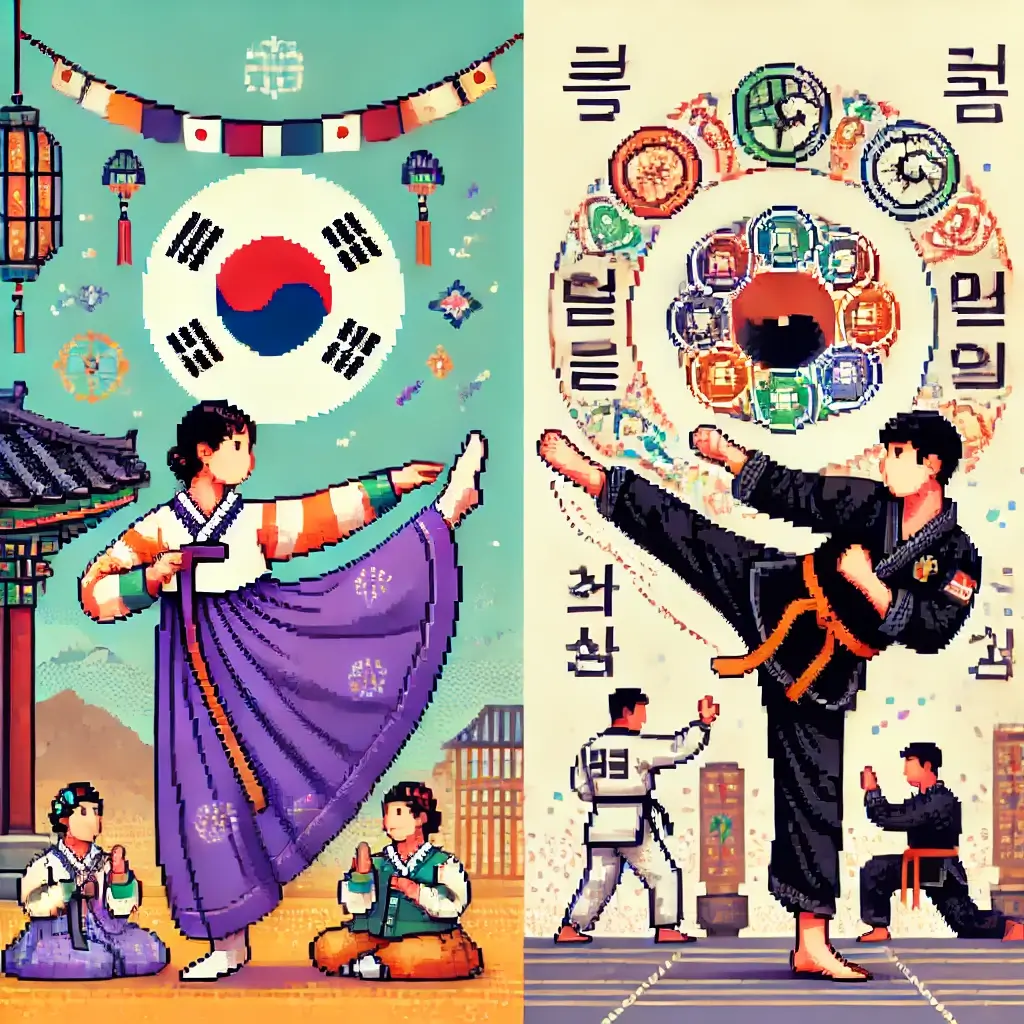
Compare taekkyeon and hapkido through the instructor, beginner activities, safety arrangements and full commitment, while checking broad historical claims.

Explore Korean minhwa through collection records, image composition and specific motifs, and distinguish observation from interpretation before making or buying.