
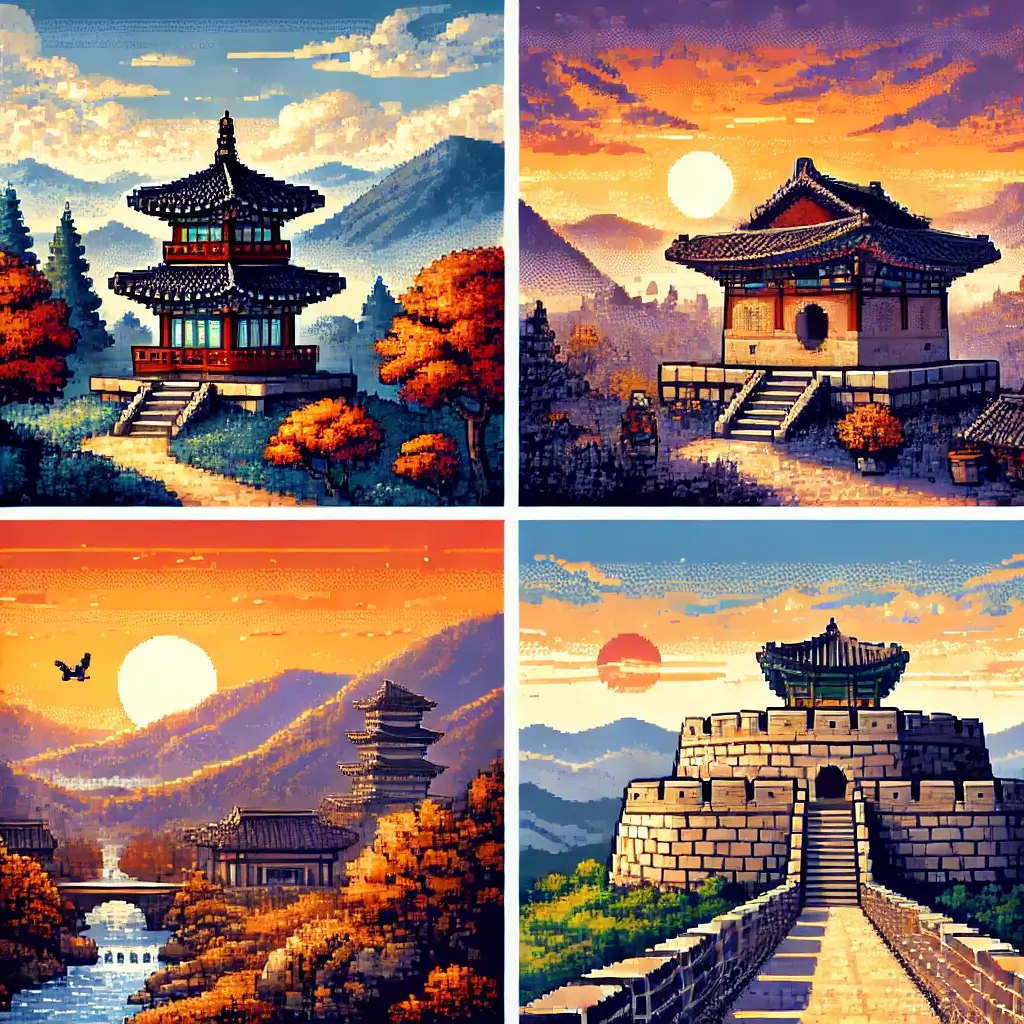
Gangjin, Gongju and Yeongju offer different cultural starting points. Choose a route from a particular interest and the transport you can actually use, rather than assuming that a place described as hidden will be empty, inexpensive or easy to reach.
Use ceramics to frame a Gangjin visit
Gangjin is associated with Goryeo celadon production. Start with the relevant museum or kiln-site explanation and identify what you want to see. Check opening, transport and any workshop booking directly; do not assume a demonstration operates every day.
Separate Gongju’s sites and travel time
A Baekje-history route may include the royal tombs and Gongsanseong area. These are separate visits with their own access arrangements. Save the official destination names and locations before building a schedule around an estimated walking or bus connection.
Define a Yeongju priority
Sosu Seowon and Buseoksa provide different institutional and landscape contexts. Choose a manageable priority and verify current transport and accessible routes. A mountain outing requires its own preparation rather than being a casual extra added to every itinerary.
Make a realistic route sheet
Record travel dates, last return connection, reservation needs, weather alternative and the full expected cost from current providers. Leave room for meals and delays. Check dietary and mobility needs directly, and respect private, ritual and conservation areas.
A practical next step
Choose one regional destination using a single main interest
Use an editorial planning exercise: a traveler wants one documented historic site, another wants a quiet museum visit, and a third wants to learn about a local craft. They should compare the specific sites and access arrangements in Gangjin, Gongju and Yeongju rather than choose from the same generic hidden-gem list.
For your own trip, select one main place before adding nearby stops. Check the local managing institution’s information and the route from your actual arrival point. A destination can be attractive while still being a poor fit for a short visit without suitable transport.
| Compare | What to record |
|---|---|
| Interest | Name the site, collection or craft you want to understand. |
| Time | Allow for access, the visit itself and a return connection. |
| Backup | Choose what you will do if the main site is unavailable. |
A reader question: Can I assume all regional attractions are close to the railway station?
No. A city name does not describe the distance from its station to every attraction. Check the exact arrival point, destination entrance and current local transport. Do not infer a convenient day trip merely from a map showing the same regional name.
Further reading: Korea Tourism Organization: VISITKOREA. Check the specific entry, object, edition or current provider notice relevant to your question.
Editorial revision: October 20, 2026. Practice examples are editorial constructions. The discussion distinguishes documented information, interpretation and personal choice.