Korean Worker Towns: Industrial History in Neighborhoods
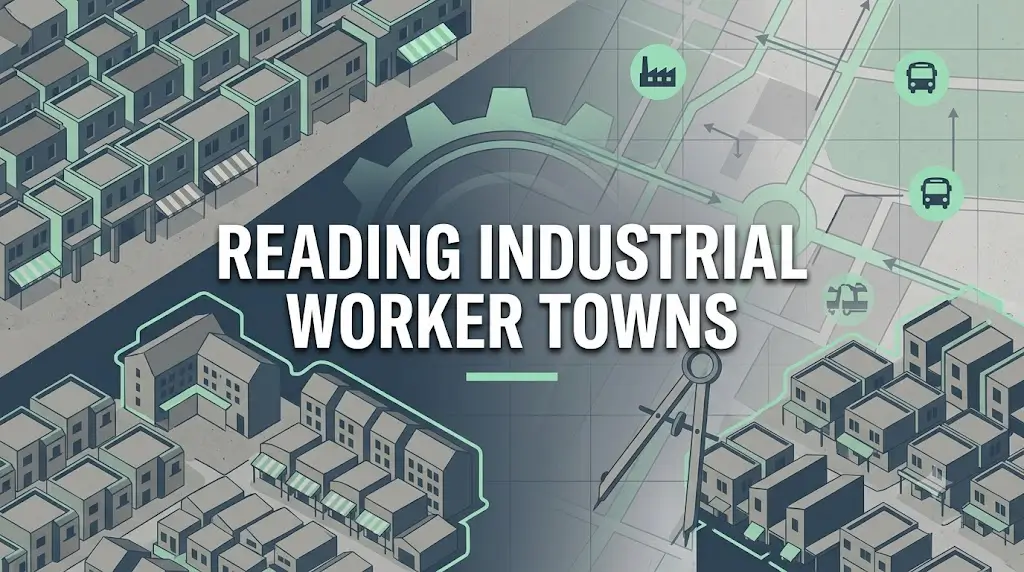
Read the street patterns, housing, markets and transport of older Korean worker towns as clues to industrial history and changing neighborhood needs.

Culture, everyday life & practical guides to Korea.
Read the street patterns, housing, markets and transport of older Korean worker towns as clues to industrial history and changing neighborhood needs.

Explore how housing deposits, employment, family expectations and marriage plans intersect for young adults in Korea, while allowing for different choices.

Explore recurring features in Korean apartment interiors, including entryways, balconies, built-in storage and floor plans, with room for building differences.
Explore what apartment brand names can signal in Korea, while separating reputation and social meaning from a building’s condition, location and value.

Examine how housing costs and uncertainty can shape marriage, family and work decisions in Korea without treating housing as the only explanation.

Look beyond rooftop-home imagery in Korea and check access, insulation, leaks, utilities, legal use and everyday comfort before considering a lease.

Check building rules, document a noise problem and use appropriate management or formal channels when resolving an apartment complaint in Korea.
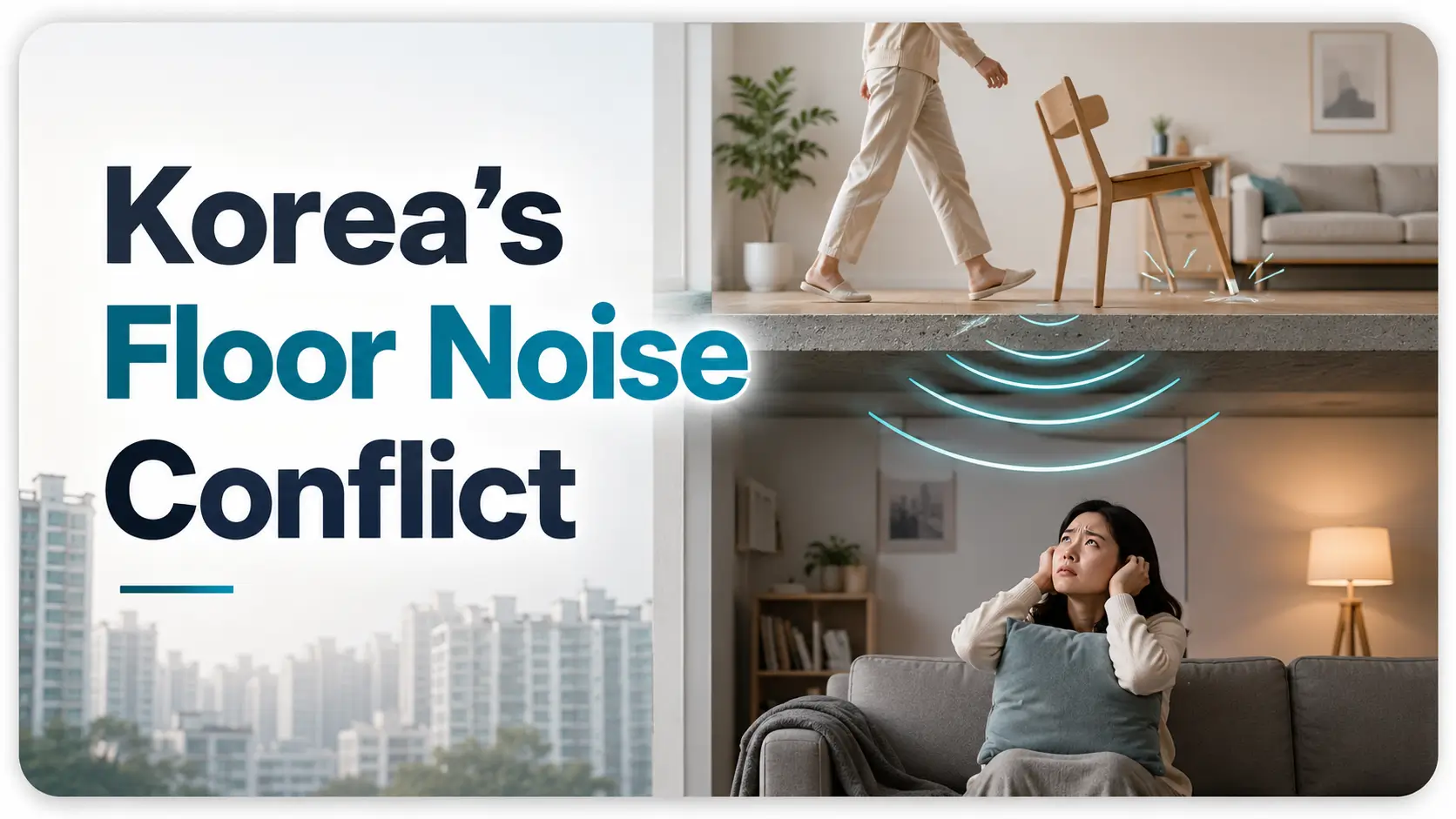
Explore how building sound, sleep, family routines and shared boundaries shape floor-noise disputes in Korea, with questions for documenting the problem.
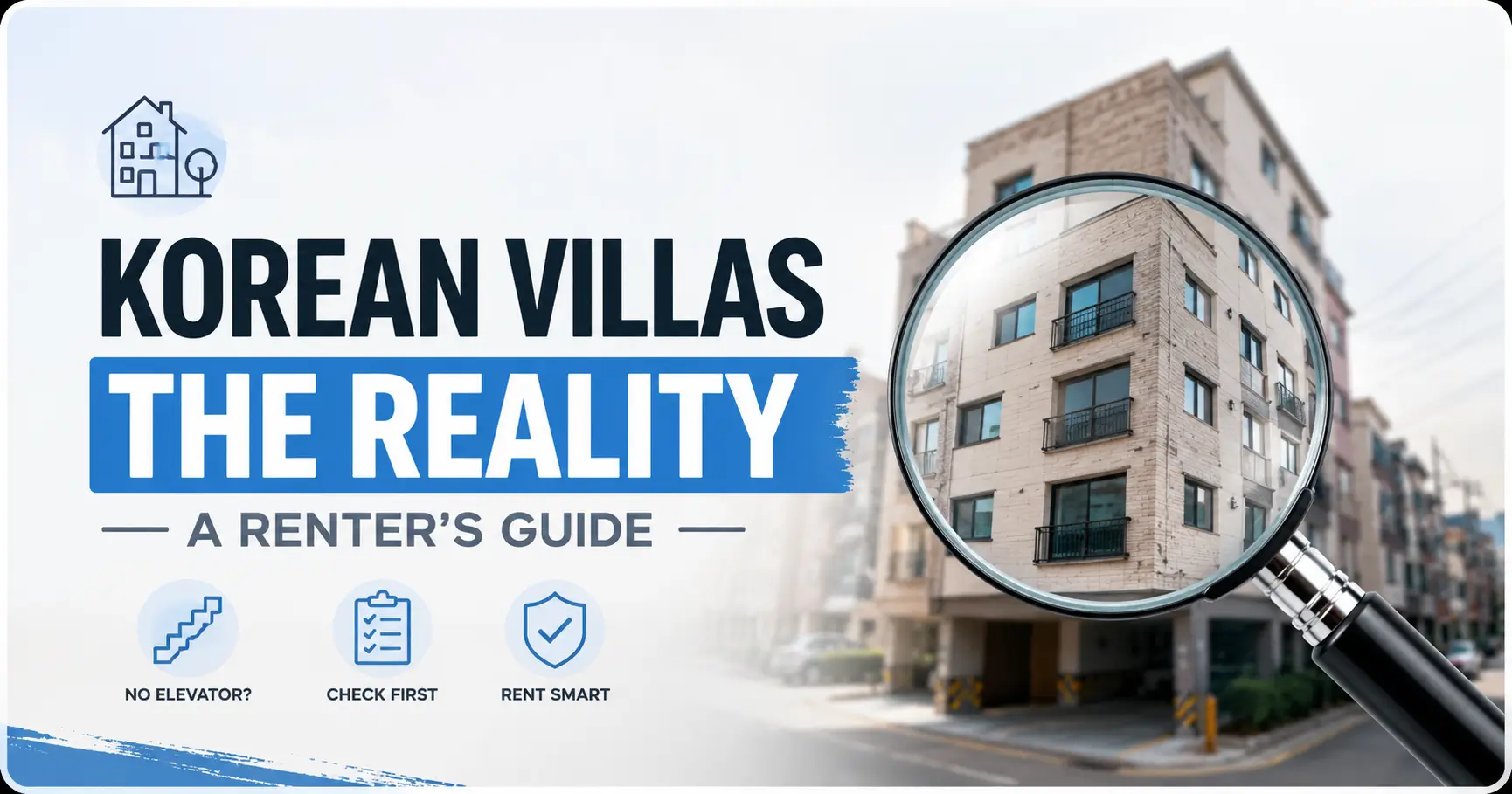
Understand what villa usually means in Korean housing listings, and inspect the building, deposit, access, maintenance and lease before renting.
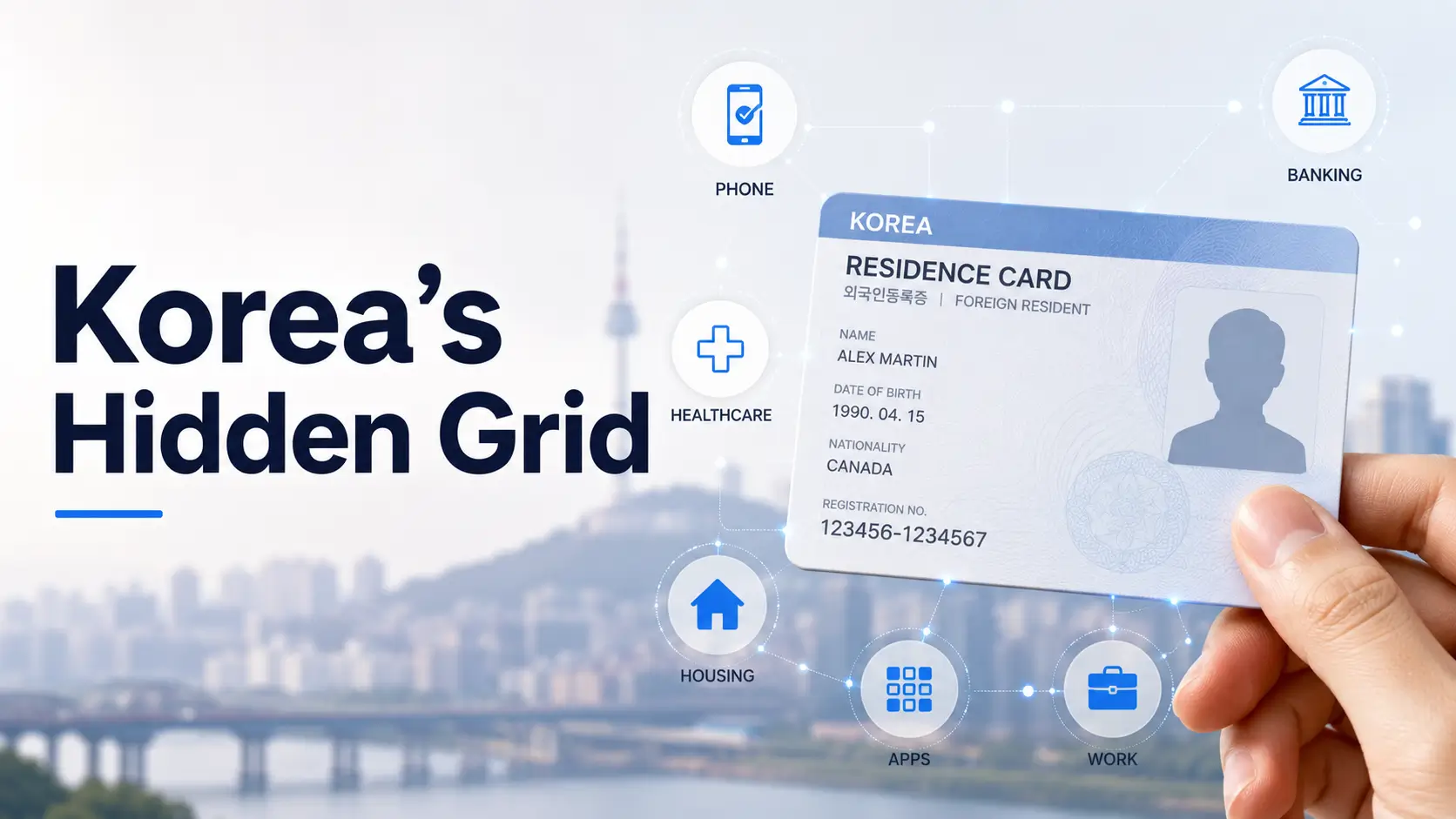
Understand how identity and address records connect Korean public and private services, and distinguish citizen registration from a foreign resident’s route.