4 Fascinating Korean Ritual Costumes You Need to See Now!
Hello, fellow explorers of culture and history!
Are you ready for an unforgettable journey into the heart of Korea?
I’m talking about a deep dive into the very soul of the country, where tradition isn’t just a memory, but a living, breathing art form.
Today, we’re not just looking at clothes; we’re examining a rich tapestry of history, belief, and emotion woven into every thread of Korean traditional costumes.
I remember my first time attending a traditional Korean ceremony.
The air was thick with a sense of gravity and beauty I’d never experienced before.
And the clothing—oh, the clothing!
It was a spectacle of color, intricate detail, and profound meaning that completely captivated me.
It was as if each garment was telling a story that had been passed down for centuries.
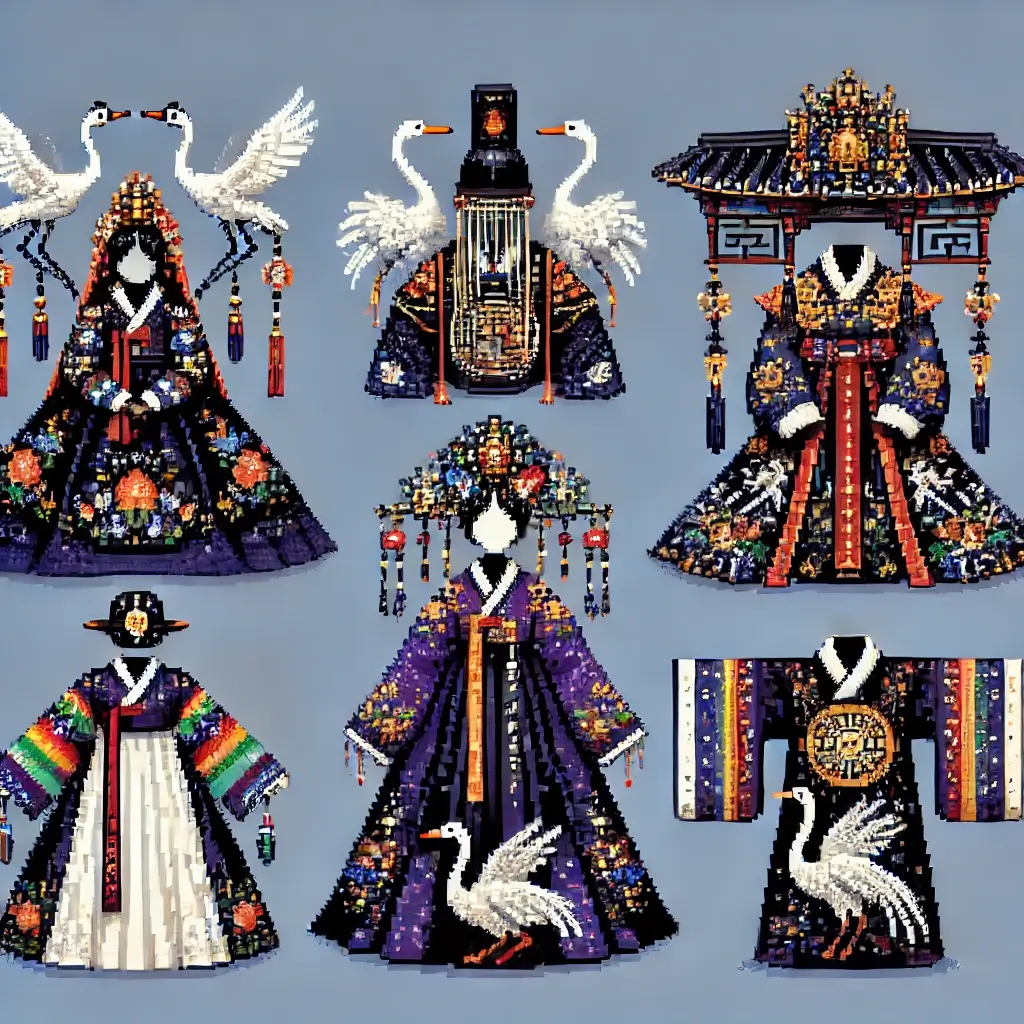
We’re going to explore four of the most significant ceremonial costumes in Korea, each one a masterpiece in its own right.
It’s an emotional and beautiful topic, so grab a cup of tea, get comfortable, and let’s get started.
This isn’t your average historical text; this is a personal, heartfelt tour of something truly special.
A Glimpse into the Soul of Korea: An Overview of 4 Ritual Costumes
Before we jump into the details, let’s get a bird’s-eye view of what we’re talking about.
We’re looking at more than just fabric and thread.
We’re exploring the spiritual and social language of clothing.
Korean traditional costumes, known collectively as hanbok, are the country’s heart and soul on display.
The graceful lines and vibrant colors you see are not just for show; they carry deep symbolic meaning.
But what really struck me is how these garments change depending on the occasion.
The outfit you wear for a wedding is a world away from what you wear for an ancestral rite.
This is a culture that believes every ritual, no matter how small, deserves its own specific form of respect and expression.
For example, you’ll see a vibrant, joyful palette for a wedding, but a somber, muted one for a funeral.
It’s this attention to detail and reverence for tradition that makes Korean culture so rich.
It’s not about following a set of dry rules, but about communicating emotions and values through visual art.
I find it deeply moving how something as simple as a piece of clothing can carry so much weight and history.
It’s like each stitch is a sentence in a long, beautiful poem.
Table of Contents
Wedding: A Tale of Two Cranes and a Lifetime of Love
When you think of a wedding, what comes to mind?
For most of us, it’s a white dress and a black tuxedo.
But in Korea, a traditional wedding is an explosion of color, symbolism, and breathtaking beauty.
The Korean traditional costumes for a wedding are truly a sight to behold.
The bride’s outfit, known as Hwalot or Wonsam, is an incredibly ornate robe.
This isn’t some simple dress; it’s a ceremonial garment that was once reserved for royalty.
It’s usually a stunning shade of red, symbolizing good fortune and warding off evil spirits.
The details are what really get me—intricate embroidery of peonies for wealth, lotus flowers for purity, and, most importantly, a pair of cranes.
The cranes are the real stars here, symbolizing marital fidelity and longevity.
Just imagine walking down the aisle, every step you take a testament to a love that will last a lifetime.
It’s not just a fashion statement; it’s a promise.
The groom’s attire is equally impressive.
He wears a Gwan-dae, a formal robe with an embroidered chest patch called a hyungbae.
This patch also often features a pair of cranes, matching his bride’s.
It’s a beautiful symmetry, isn’t it?
The couple is literally wearing their shared future on their sleeves.
In fact, many traditional Korean weddings still incorporate this breathtaking attire, and it’s something every couple looks forward to.
It’s a powerful way to honor their heritage and make a bold statement about the importance of their union.
I once saw a bride wearing a Hwalot that was so heavy with embroidery it seemed to shimmer with its own light.
It was like watching a living piece of history glide past, and it was one of the most emotional moments I’ve ever witnessed.
It’s not about being trendy; it’s about being timeless.
For more on this, you can check out the incredible details and history of bridal hanbok. Discover the Art of Bridal Hanbok!
Ancestral Rites: The Quiet Dignity of Jebok and Myengbok
Now, let’s shift gears from the joyful celebration of life to the solemn reverence for those who have passed on.
Ancestral rites, or Jesa, are a cornerstone of Korean culture.
They are not mournful events, but rather a respectful and loving way to remember and honor ancestors.
The Korean traditional costumes for these rites reflect this sentiment with a quiet dignity.
For high-ranking officials and royalty in the Joseon Dynasty, the attire was called Jebok or Myengbok.
This was an incredibly formal and structured outfit.
The king, for example, wore the myeonbok, which featured a black outer robe and a special ceremonial crown.
The symbolism here is all about respect and order.
The colors were typically dark and understated—black, deep blue, or dark gray—to show a sense of solemnity and seriousness.
This wasn’t about personal expression; it was about honoring the past and a collective sense of duty.
One of the most fascinating aspects is the detail.
A white inner coat, a red skirt, and a round ornamental white collar all served a purpose, creating a layered and symbolic look.
It was like a form of visual poetry, each layer telling a different part of the story.
I find it so profound that even the clothing worn for these rites was so carefully considered.
It shows just how deeply embedded the respect for ancestors is in the Korean psyche.
It’s a reminder that we are all part of a larger story, and our actions, even what we wear, have meaning that extends far beyond ourselves.
If you’re curious about the intricate details of these ceremonial robes, you can delve deeper into their history here. Explore Royal Court Attire!
Funerals: The Solemn Serenity of Hemp Cloth and White Hanbok
When a person passes away, the focus is on grief, respect, and a proper send-off.
Korean funerals, while solemn, are also incredibly meaningful, and the traditional attire is a powerful expression of this.
Today, you’ll often see families wearing black suits and dresses, but the traditional Korean traditional costumes for mourning are a world apart.
Mourners traditionally wore a simple, unbleached, coarse hemp cloth hanbok.
The fabric itself, a scratchy and uncomfortable material, was meant to embody the pain and sorrow of the loss.
It wasn’t about comfort; it was about a physical and emotional expression of grief.
The color, a simple white, was chosen because it represents purity and a stripping away of all worldly attachments.
This is a stark contrast to many Western cultures where black is the color of mourning.
In Korea, white symbolizes a return to a pure, unadorned state.
Wearing this simple, white hanbok was a declaration that in the face of death, social status and personal vanity are meaningless.
It was a unifying gesture, a way for all family members to show that they were sharing this loss together, regardless of their station in life.
It’s a profoundly beautiful and humbling tradition.
The mourning period, and the specific garments worn, varied depending on the mourner’s relationship to the deceased.
A son, for example, would wear a more elaborate hemp robe for a longer period, signifying his significant role in the mourning process.
It’s a system of deep meaning and respect that makes me think about how we approach death in our own lives.
This tradition shows that grieving is a shared, visible, and important part of life.
To learn more about the profound meaning behind this attire, you can read more here. Understand the Meaning of Mourning Attire!
Shamanic Rituals: The Dramatic and Powerful World of Shamanic Attire
Let’s venture into a world of spirits, gods, and ancient beliefs: the world of Korean shamanism.
This is a vibrant, dramatic, and deeply spiritual part of Korean culture, and the costumes worn by shamans, or mudang, are as captivating as the rituals themselves.
Unlike the other costumes we’ve discussed, shamanic attire is not about a single look.
A shaman will often perform multiple costume changes during a single ritual, or gut.
Each costume represents a different spirit or deity they are channeling.
This could be anything from a fierce general to a gentle goddess, and the clothing, along with props and music, helps the shaman transform into that very spirit.
It’s like a theatrical performance, but with real, spiritual consequences.
The colors are often bold and uninhibited, and the designs can be incredibly intricate.
You might see a shaman adorned in a military uniform, a royal robe, or a simple peasant’s outfit, all within the same ceremony.
The clothing isn’t just an accessory; it’s a crucial tool for the ritual.
It’s a way for the shaman to bridge the gap between the physical world and the spirit world, and to communicate the spirits’ messages to the living.
I was once told a story about a shaman who, during a ritual, changed into a military uniform.
The moment she put it on, her entire demeanor shifted—her voice became deeper, her movements more commanding.
It was a powerful reminder that these costumes hold a powerful, transformative energy.
This aspect of Korean traditional costumes is perhaps the most dynamic and personal.
It’s a testament to the belief that clothing can be a vessel, a sacred tool for communication and connection.
To learn more about the spiritual significance of these garments, you can explore the fascinating world of Korean shamanism. Uncover the Secrets of Shamanic Attire!
Well, there you have it, folks.
A glimpse into the incredible world of Korean ritual costumes.
This is a tradition that is as relevant and beautiful today as it was centuries ago.
It’s a testament to the enduring power of culture, art, and belief.
I hope this journey has inspired you to look a little closer at the clothes you wear and the stories they tell.
What do your clothes say about you and your story?
Korean traditional costumes, Ritual costumes, Hanbok, Shamanic attire, Ancestral rites.
🔗 Korean Grandmothers (Halmeoni) Posted 2025-08-08 04:20 UTC 🔗 Saga of 3 Generations: Why Samdae? Posted 2025-08-08 12:16 UTC 🔗 Soul of Korea: 13 Traditional Tal Masks Posted 2025-08-09 03:26 UTC 🔗 Hanji: Korea’s Ancient Paper Posted 2025-08-10 04:44 UTC 🔗 Korean Digital Nomads Phrasebook Posted 🔗 A Mind-Blowing Look at Korean Paper Posted 2025-08-10