Korean Proverbs: Ten Expressions in Conversation
Study ten Korean proverbs through conversational situations, compare encouragement and criticism, and check how wording and relationships affect their use.
Culture, everyday life & practical guides to Korea.
Study ten Korean proverbs through conversational situations, compare encouragement and criticism, and check how wording and relationships affect their use.

Identify Korean songs by title, performer and version, distinguish lullabies from other song types, and choose a respectful listening or learning activity.
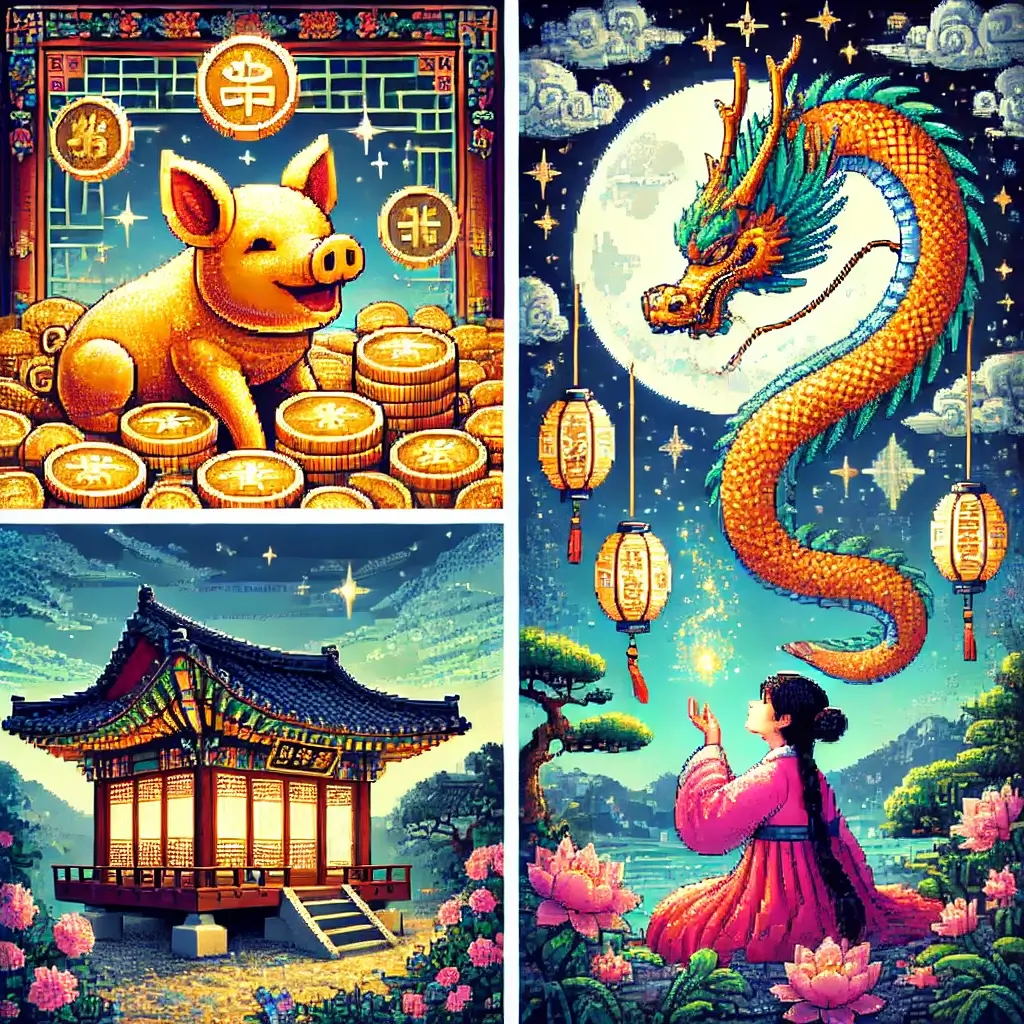
Explore Korean dream stories and taemong as folklore, compare accounts in context, and distinguish cultural meaning from claims about predicting events.
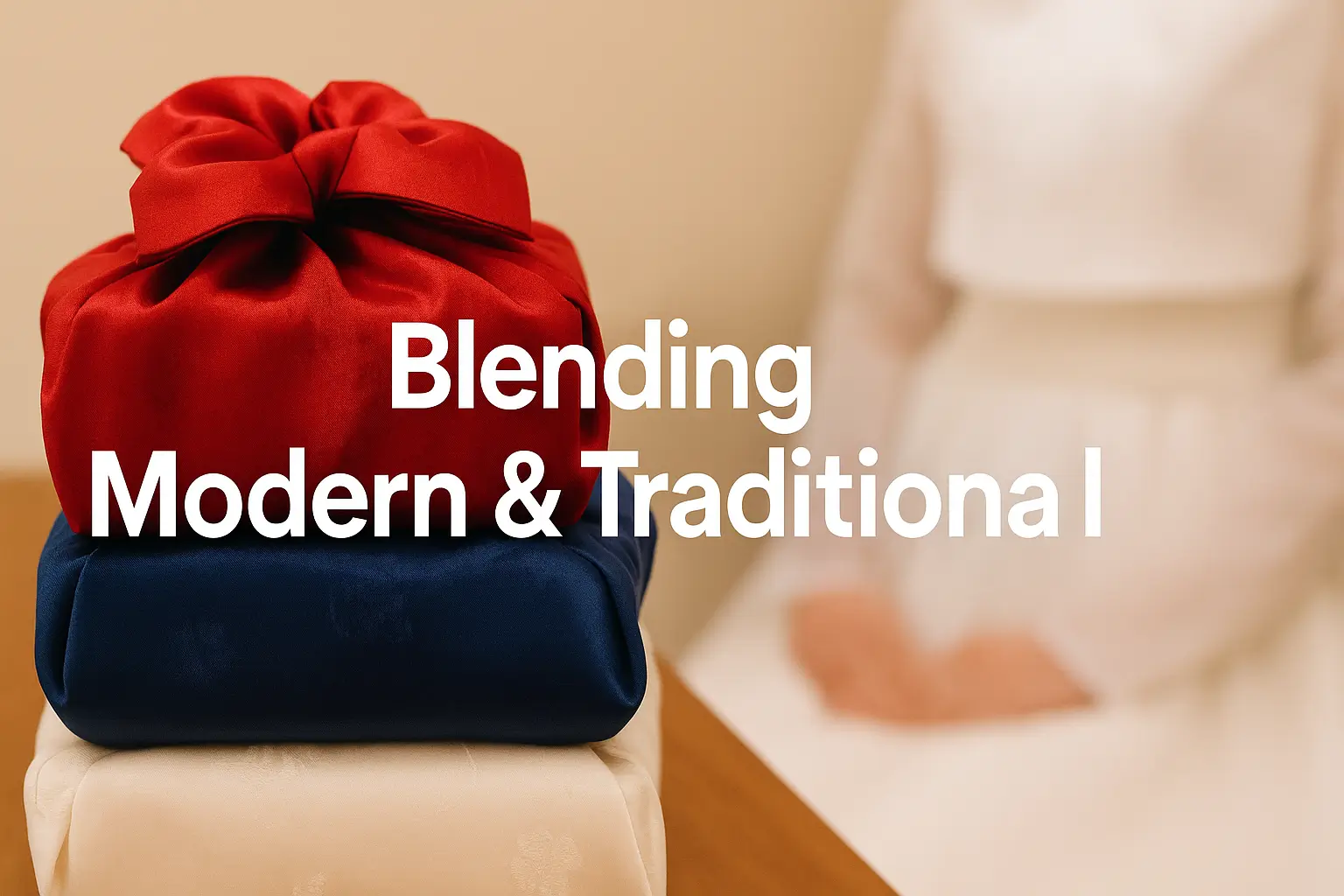
Compare modern, traditional and blended Korean wedding plans through ceremony scope, itemized quotes, guest access and the couple’s actual priorities.
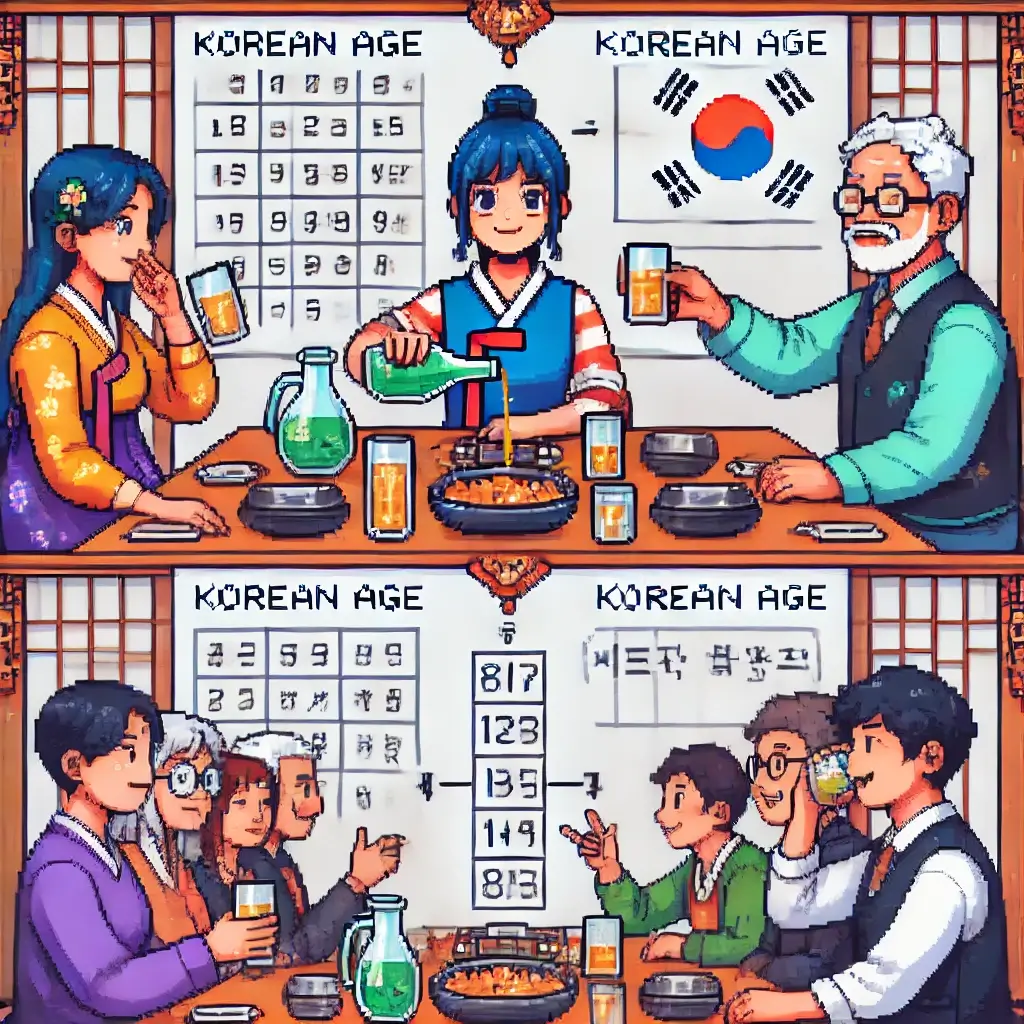
Clarify which Korean age convention an introduction uses, practice a simple follow-up question, and choose speech style from the relationship and setting.
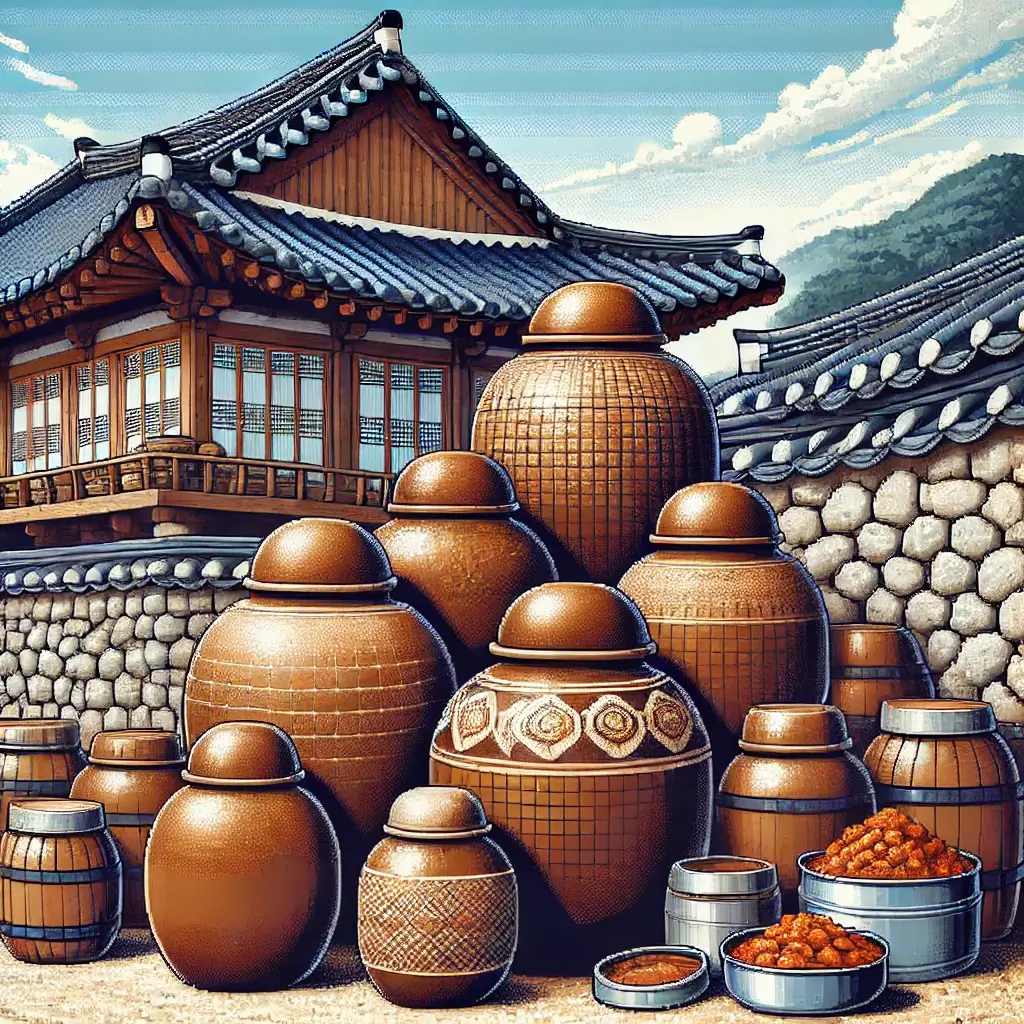
Explore Korean onggi through vessel form, material and intended use, and ask practical questions about technical claims, food contact, care and handling.

Compare five Korean regional festivals by theme, then verify organizer notices, dates, transport and access before making a booking or arranging a visit.

Understand jesa through the actual occasion and household, follow the host’s explanation, and discuss participation, shared work and personal boundaries.
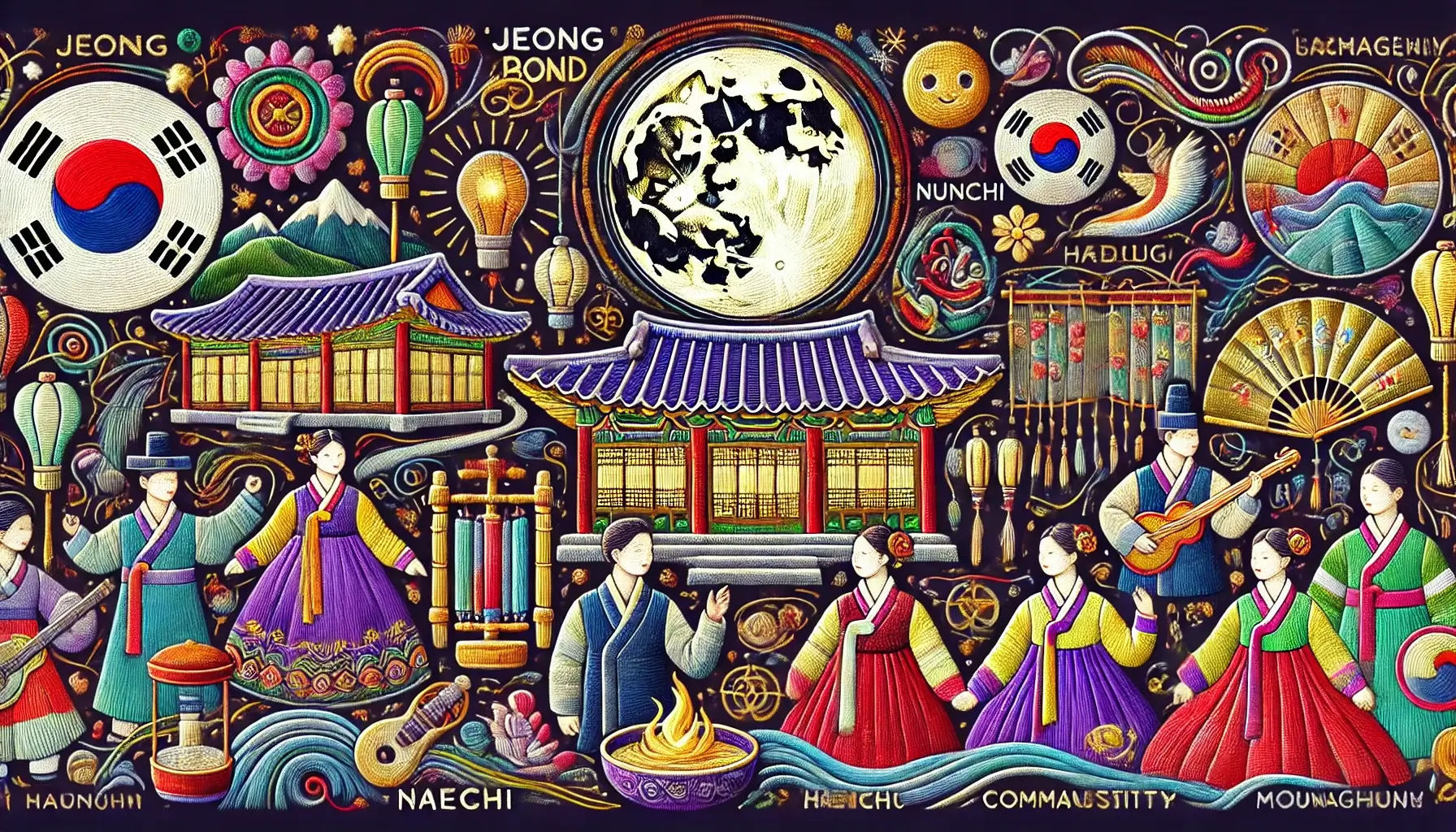
Explore jeong, han, nunchi, aegyo and heung through sentences, speakers and situations, rather than treating them as emotions exclusive to Korean people.