3 Untapped Korean Regional Destinations You ABSOLUTELY Need to See!

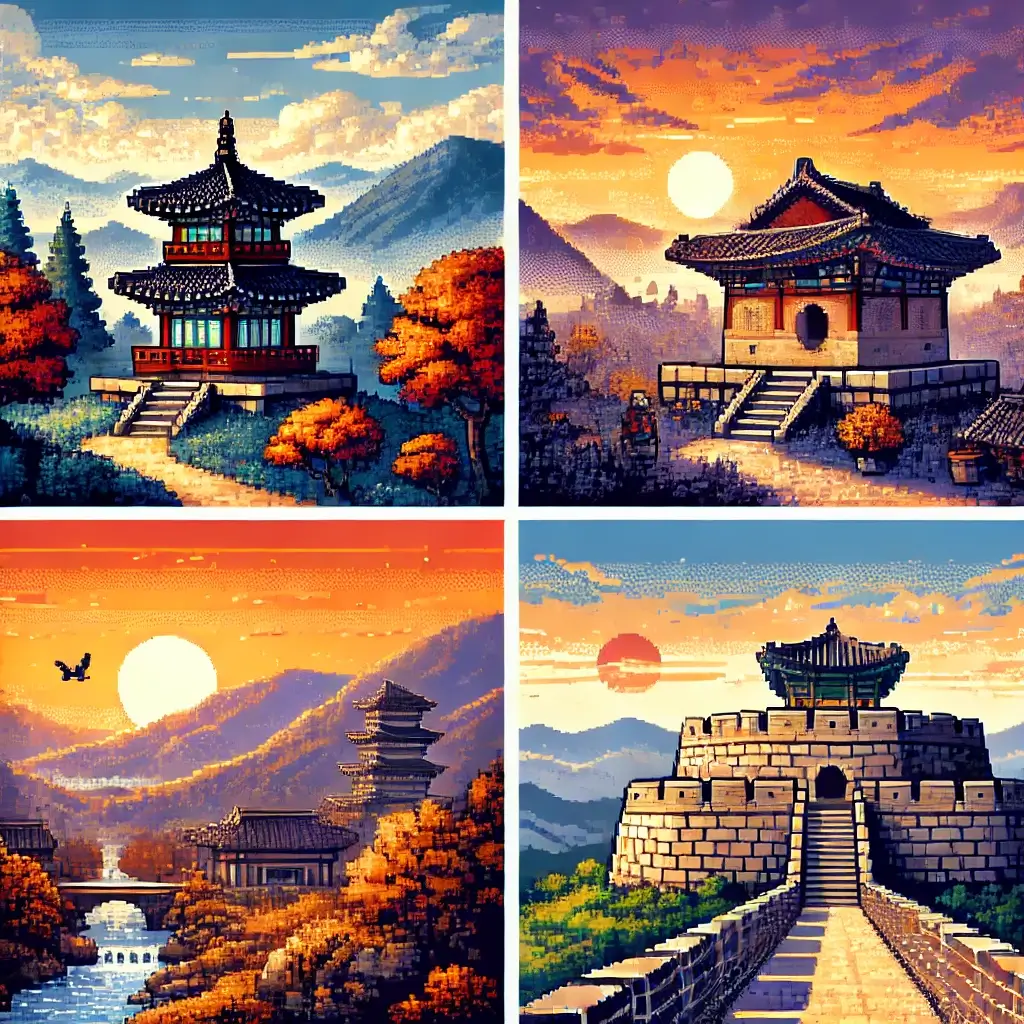
Pixel art of Buseoksa Temple in Yeongju during autumn, surrounded by vibrant foliage and misty mountains. Untapped Korean Regional Destinations
3 Untapped Korean Regional Destinations You ABSOLUTELY Need to See! 3

3 Untapped Korean Regional Destinations You ABSOLUTELY Need to See!

Ready to ditch the crowds and uncover Korea’s best-kept secrets? Get ready for an adventure!

Hey there, fellow wanderlusters!

You know, for years, when folks thought of traveling to Korea, their minds immediately jumped to Seoul. Maybe Busan if they were feeling a little adventurous. And don’t get me wrong, those cities are fantastic, vibrant, and full of energy. I love them too! But here’s the thing: Korea is SO much more than just its two biggest metropolises.

It’s like thinking you know an entire novel just by reading the first two chapters. You’re missing out on all the incredible plot twists, the heartwarming character developments, and the breathtaking scenery that unfolds page after page!

I’ve spent countless hours, and let’s be honest, a fair bit of my travel budget, exploring every nook and cranny of this beautiful country. And what I’ve discovered, time and time again, are these hidden gems, these regional travel destinations that are simply… mind-blowing. They offer a completely different side of Korea – one that’s steeped in tradition, breathtakingly beautiful, and utterly unforgettable.

Forget the endless queues and crowded photo ops for a moment. Imagine serene temples nestled in lush mountains, ancient villages where time seems to stand still, and coastal towns serving up seafood so fresh you’ll swear it jumped straight from the ocean onto your plate. That’s the Korea I want to introduce you to today.

I’m talking about places that haven’t yet been overrun by massive tour groups, where you can still feel like a genuine explorer, uncovering something truly special. These aren’t just “places to visit”; they’re experiences waiting to happen, stories waiting to be lived.

So, grab a cup of your favorite brew, settle in, and let’s dive into 3 incredible, untapped regional travel destinations in Korea that will make you rethink everything you thought you knew about this amazing country. Trust me, by the end of this, your travel bucket list for Korea is going to look a whole lot longer, and a lot more exciting!

Let’s get started, shall we?

Table of Contents

1. Gangjin, Jeollanam-do: The Green Heart of Korean Ceramics

Alright, first up on our list of incredible untapped regional travel destinations in Korea is a place that holds a very special spot in my heart: **Gangjin, Jeollanam-do**.

If you’re anything like me, you’ve probably heard of Korea’s incredible history and artistry, but perhaps not specifically about Goryeo celadon. Well, let me tell you, Gangjin is basically the Silicon Valley of Goryeo celadon – if Silicon Valley were nestled in picturesque valleys with bamboo groves and ancient kilns, that is!

Seriously, this place is where the magic happened, where some of the most exquisite and globally renowned ceramics were perfected during the Goryeo Dynasty (918-1392). Imagine pottery so beautiful, so intricately crafted, that even today, centuries later, it still mesmerizes experts and art lovers alike. That’s Goryeo celadon, and Gangjin was its birthplace.

Stepping Back in Time at Goryeo Celadon Kiln Sites

The sheer number of historical kiln sites here is staggering. We’re talking about over 180 of them spread across the county! It’s like an archaeological treasure hunt, except instead of digging for gold, you’re looking for remnants of ancient artistry. The best part? You can visit the **Goryeo Celadon Kiln Site** in Gangjin and really get a sense of the scale and importance of this historical industry.

When you walk through the grounds, you can almost hear the potters working, the crackle of the kilns, the discussions about glazes and firing temperatures. It’s incredibly evocative. They even have reconstruction efforts underway, bringing these ancient kilns back to life.

A Feast for the Eyes (and Hands!) at the Gangjin Goryeo Celadon Museum

To truly appreciate the artistry, you absolutely MUST visit the **Gangjin Goryeo Celadon Museum**. This isn’t just any old museum; it’s a deep dive into the history, techniques, and sheer beauty of Goryeo celadon. The collection is breathtaking, showcasing everything from the iconic jade-green pieces to those with intricate inlaid designs. Each piece tells a story, a testament to the skill and dedication of the artisans who crafted them.

But here’s where it gets even better: they offer hands-on experiences! Yes, you heard that right. You can try your hand at making your own celadon pottery. I’m not going to lie, my first attempt looked more like a lopsided blob than a graceful vase, but the experience was exhilarating. Feeling the clay in your hands, shaping it on the wheel – it connects you to those ancient artisans in a way no textbook ever could. It’s a messy, fun, and incredibly rewarding experience.

Beyond Ceramics: Natural Beauty and Tranquility

Gangjin isn’t just about pottery, though. This region is also blessed with stunning natural beauty. Think rolling hills, serene coastline, and lush tea plantations. One of my favorite spots is the **Baekundong Garden**. It’s a traditional Korean garden that’s hundreds of years old, designed to blend seamlessly with the surrounding nature. It’s the perfect place for a peaceful stroll, to clear your head, and to just soak in the tranquility.

And if you’re a nature lover, don’t miss **Dasan Chodang**. This was the retreat of Dasan Jeong Yak-yong, a brilliant scholar and philosopher during the Joseon Dynasty. It’s nestled among beautiful pine trees with incredible views of the sea. It’s a place that just radiates peace and inspiration.

Local Flavors: A Culinary Delight in Gangjin

Let’s talk food, because no trip to a regional destination in Korea is complete without diving into the local cuisine! Being in Jeollanam-do, Gangjin boasts some truly phenomenal food. This province is famous for its rich culinary traditions, often considered the ‘food capital’ of Korea. Expect incredibly fresh seafood, especially oysters and various types of fish caught right off the coast.

Make sure to try their local specialty: *Gangjin Makgeolli*. It’s a traditional Korean rice wine, and the one from Gangjin is known for its smooth, slightly sweet, and refreshing taste. Pair it with some local seafood pancakes (haemul pajeon) or a hearty bowl of *bibimbap* made with fresh local vegetables. You won’t regret it!

Gangjin offers a unique blend of cultural immersion, historical exploration, and natural beauty, making it one of the most compelling untapped regional travel destinations in Korea. It’s a place where you can truly slow down, appreciate the artistry of the past, and connect with the serene beauty of the Korean countryside.

Want to plan your visit to Gangjin? Check out the official tourism site for more details:

2. Gongju, Chungcheongnam-do: Where Ancient Kingdoms Whisper

Next up on our journey to uncover the best untapped regional travel destinations in Korea, we’re heading to **Gongju, Chungcheongnam-do**. If history could talk, Gongju would be shouting tales of kings, queens, and a glorious past.

This isn’t just any old city; Gongju was once the capital of the Baekje Kingdom (18 BC – 660 AD), one of the three ancient kingdoms that shaped early Korea. So, when you walk through Gongju, you’re literally treading on ground where royalty once walked, where pivotal decisions were made, and where a sophisticated culture flourished.

It’s like stepping into a living, breathing history book, but without the stuffy lectures. Instead, you get stunning architecture, fascinating relics, and an atmosphere that just hums with ancient energy.

The Royal Legacy: Tomb of King Muryeong and Gongsanseong Fortress

The crown jewel of Gongju, and arguably one of Korea’s most significant historical sites, is the **Tomb of King Muryeong**. Discovered accidentally by workers in 1971, this tomb was incredibly preserved, yielding a treasure trove of artifacts that offered unprecedented insights into the Baekje Kingdom’s culture, art, and burial practices. Walking into the exhibition hall where these artifacts are displayed is like peeking behind a curtain into a long-lost world. You’ll see exquisite gold crowns, ornate earrings, and intricately carved wooden headrests – all perfectly preserved after more than 1,400 years.

It’s a chilling, awe-inspiring experience to think about the people who created these pieces and the king they honored. This isn’t just about old stuff; it’s about connecting with a sophisticated civilization that thrived centuries ago.

Then there’s **Gongsanseong Fortress**. Perched majestically on a hill overlooking the Geumgang River, this fortress served as the Baekje capital’s stronghold. It’s a UNESCO World Heritage site, and for good reason! You can walk along its impressive stone walls, which stretch for over 2.6 kilometers. The views from up there are absolutely breathtaking, especially at sunset when the river shimmers and the city lights begin to twinkle.

Imagine the soldiers patrolling these very walls, keeping watch for invaders. It truly makes history come alive. And while you’re there, keep an eye out for the small traditional buildings inside the fortress – they add to the charm and offer a glimpse into ancient daily life.

Magoksa Temple: A Serene Escape

Beyond the royal sites, Gongju also offers moments of profound tranquility. **Magoksa Temple**, another UNESCO World Heritage site, is a perfect example. Nestled deep within a beautiful valley, surrounded by lush mountains, this temple feels like a world away from the hustle and bustle. It’s one of Korea’s oldest and most significant Buddhist temples, founded in the 7th century.

The temple grounds are incredibly peaceful, with ancient trees, gentle streams, and beautifully preserved wooden structures. Taking a quiet walk through Magoksa, listening to the soft chanting of monks, and just breathing in the fresh mountain air is an almost spiritual experience. It’s a wonderful contrast to the grandeur of the fortress and tomb, showing another facet of Baekje culture.

If you’re into temple stays, Magoksa offers those too. Imagine waking up to the sound of temple bells, participating in ancient rituals, and finding inner peace in such a historic setting. It’s an experience that truly recharges the soul.

A Taste of Gongju: Chestnuts and Beyond

And now for the food! Gongju is particularly famous for its chestnuts. Seriously, chestnuts are everywhere, and they are delicious! You’ll find them in bread, cakes, ice cream, and even *makgeolli* (rice wine). Make sure to try some chestnut *makgeolli* – it’s surprisingly good!

Beyond chestnuts, being located near the Geumgang River means fresh fish dishes are a staple. Try some of the local *eojuk* (fish porridge) or spicy fish stews. The region’s agricultural bounty also means fresh, seasonal vegetables are plentiful, often incorporated into delicious *bibimbap* or various *banchan* (side dishes).

Gongju is a fantastic choice for anyone looking to delve deep into Korea’s rich history, particularly the Baekje Kingdom. It’s one of those untapped regional travel destinations in Korea where every corner seems to hold a story, and every experience is a step back in time. It’s less crowded than Gyeongju but equally, if not more, historically significant in many ways.

Curious about what else Gongju has to offer? Check out their official tourism page:

3. Yeongju, Gyeongsangbuk-do: Scholar’s Retreat and Mountain Majesty

Last but certainly not least on our list of phenomenal untapped regional travel destinations in Korea, we journey to **Yeongju, Gyeongsangbuk-do**. If the idea of ancient academies, serene temples, and majestic mountains speaks to your soul, then Yeongju is calling your name. This is a place where scholarly tradition and stunning natural landscapes intertwine, offering a truly enriching and peaceful travel experience.

Yeongju is often overshadowed by its more famous Gyeongsangbuk-do neighbor, Gyeongju, but that’s precisely what makes it so special. You get all the historical depth and cultural richness, but with far fewer crowds, allowing for a much more intimate and reflective journey.

It’s like finding a quiet, sun-drenched reading nook in a bustling library – all the wisdom is there, but you have the space to truly absorb it.

The Cradle of Neo-Confucianism: Sosu Seowon and Buseoksa Temple

Yeongju is home to **Sosu Seowon**, Korea’s very first *seowon*, or Neo-Confucian academy. Founded in 1543, it played a pivotal role in the intellectual and cultural development of the Joseon Dynasty. Walking through its grounds is like stepping back into a classroom from centuries past. You can almost hear the debates of scholars, the rustle of brushes on paper, and the recitation of classical texts.

Sosu Seowon is not just a collection of old buildings; it’s a UNESCO World Heritage site that embodies the spirit of learning and moral cultivation that defined a significant era of Korean history. The surrounding pine forest adds to its tranquil and scholarly atmosphere, making it a perfect spot for quiet contemplation.

Just a short distance from Sosu Seowon is the breathtaking **Buseoksa Temple**. This temple is truly a masterpiece, not just architecturally, but also in its harmonious integration with the surrounding natural landscape. Founded in 676 AD, during the Silla Kingdom, Buseoksa is one of Korea’s oldest and most significant Buddhist temples. Its name, “Buseok,” means “floating stone,” referring to a legend about a large rock near the temple that is said to float above the ground.

The temple’s main hall, **Muryangsujeon Hall**, is one of Korea’s oldest wooden buildings and a National Treasure. Standing before it, you can’t help but feel a sense of awe at the craftsmanship and the sheer history embedded in its timbers. The views from the temple complex, especially of the rolling Sobaeksan Mountains and the sunset, are absolutely spectacular. It’s a photographer’s dream and a spiritual seeker’s solace.

I distinctly remember visiting Buseoksa on a crisp autumn day, and the fiery colors of the fall foliage against the ancient temple structures were simply unforgettable. It felt like walking through a painting.

Embracing Nature at Sobaeksan National Park

For those who crave the great outdoors, Yeongju is your gateway to **Sobaeksan National Park**. This magnificent mountain range offers some of Korea’s most beautiful hiking trails, especially known for its pristine natural environment and diverse flora and fauna. Whether you’re a seasoned hiker or just looking for a leisurely walk amidst stunning scenery, Sobaeksan has something for you.

The park is particularly famous for its royal azaleas in spring and its snow-covered landscapes in winter. Imagine trekking through ancient forests, reaching a peak, and being rewarded with panoramic views that stretch for miles. It’s an invigorating and soul-cleansing experience.

Local Delights: Apples and Ginseng

Food-wise, Yeongju is renowned for two things: **apples and ginseng**. Yeongju apples are known for their crispness and sweetness, a perfect snack after a day of exploring. And if you’re looking for health benefits, Yeongju is a major producer of high-quality ginseng. You’ll find it in various forms, from fresh roots to teas and supplements. It’s a fantastic place to learn about and purchase authentic Korean ginseng.

You might also find some delicious local dishes incorporating these ingredients, or simply enjoy the fresh, hearty mountain cuisine that is typical of the region.

Yeongju offers a profound sense of peace, a deep dive into Korea’s intellectual and spiritual heritage, and an opportunity to connect with nature on a grand scale. It’s truly one of Korea’s most rewarding untapped regional travel destinations, offering a rich tapestry of experiences away from the usual tourist circuit.

Thinking of exploring Yeongju? Find more information here:

Beyond the Big Cities: Why Regional Travel Matters

So, we’ve explored three absolutely captivating untapped regional travel destinations in Korea: Gangjin, Gongju, and Yeongju. But why is it so important to venture beyond the well-trodden paths of Seoul and Busan?

Well, speaking from personal experience, it’s about getting the “full picture.” Think of it this way: Seoul and Busan are like the dazzling, high-energy main acts in a grand theatrical production. They’re thrilling, unforgettable, and totally worth the ticket. But the regional areas? Those are the intricate, beautifully designed sets, the supporting cast that adds depth and nuance, and the quiet, powerful moments that truly make the story resonate.

Authentic Cultural Immersion

When you step into a smaller town like Gangjin or Yeongju, you’re not just seeing the sights; you’re *living* the culture. The pace is slower, the traditions are more visible, and the local interactions are often more genuine. You’ll find yourself amidst communities where centuries-old customs are still part of daily life, where the local market is truly the heart of the town, and where you might be the only non-local face around.

It’s in these places that you get to taste the truly regional dishes, made with ingredients sourced just down the road. You hear the local dialects, witness traditional crafts being practiced, and experience the warmth of Korean hospitality in its purest form. It’s less about checking off tourist boxes and more about truly connecting with the heart and soul of the country.

Escape the Crowds, Find Your Peace

Let’s be honest, sometimes the sheer volume of people in major tourist hubs can be exhausting. The regional areas offer a refreshing antidote. Imagine wandering through an ancient temple complex and being one of only a handful of visitors, allowing you to truly soak in the tranquility. Or hiking a mountain trail without a constant stream of people around you, letting nature’s sounds be your only companion.

This isn’t to say these places are deserted, but they offer a different kind of energy – one that’s more peaceful, more reflective. It allows you to breathe, to truly relax, and to absorb your surroundings without feeling rushed or overwhelmed. It’s often where I find my clearest thoughts and deepest sense of calm.

Uncovering Hidden Histories and Natural Wonders

As we’ve seen with Gongju, many of Korea’s most profound historical narratives are found outside the capital. The stories of ancient kingdoms, scholarly pursuits, and artistic innovations often unfolded in these regional hubs. By visiting them, you gain a much deeper and richer understanding of Korea’s complex and fascinating past.

And then there’s the nature. Korea is a mountainous country with a stunning coastline, and much of this breathtaking natural beauty lies beyond the major cities. From the serene valleys of Gangjin to the majestic peaks of Sobaeksan in Yeongju, these regions offer landscapes that will leave you awestruck. They’re perfect for hiking, photography, or simply enjoying fresh air and spectacular views.

Supporting Local Communities

Lastly, and this is a point often overlooked, traveling to regional destinations helps support local economies. Your travel dollars go directly to small businesses, local restaurants, guesthouses, and artisans, helping to sustain the unique culture and livelihoods of these communities. It’s a more responsible and impactful way to travel.

So, the next time you’re planning a trip to Korea, challenge yourself to look beyond the obvious. Embrace the spirit of discovery and allow yourself to be captivated by the charm, history, and natural beauty of these truly untapped regional travel destinations in Korea. You won’t just be taking a trip; you’ll be embarking on an unforgettable adventure.

Tips for Planning Your Untapped Korean Adventure

Feeling inspired to explore these incredible untapped regional travel destinations in Korea? Fantastic! Before you pack your bags, here are a few practical tips from someone who’s navigated these roads many times.

Transportation: It’s Easier Than You Think!

Don’t let the idea of getting out of the big cities intimidate you. Korea has an incredibly efficient and user-friendly public transportation system. While a rental car offers maximum flexibility, especially in rural areas, it’s not strictly necessary. Trains and intercity buses can get you to most places, and then local buses or taxis can cover the rest.

For trains, check out **KORAIL**. Their website is available in English, and you can book tickets in advance. For buses, try the **T-Money card** (for local buses) and look for intercity bus terminals. Google Maps or KakaoMap/Naver Map (Korean apps, but highly recommended for local navigation) are your best friends for planning routes.

Language Barrier? Don’t Sweat It (Too Much)!

While English proficiency might be lower in regional areas compared to Seoul, Koreans are incredibly kind and helpful. A basic knowledge of Korean phrases like “hello” (안녕하세요 – annyeonghaseyo), “thank you” (감사합니다 – gamsahamnida), and “excuse me” (실례합니다 – sillyehamnida) goes a long way. Having a translation app on your phone is also a lifesaver. Google Translate or Papago are fantastic for quick translations, especially of menus!

Accommodation: From Traditional to Modern

In these regional areas, you’ll find a mix of accommodation options. There are often traditional *hanok* (Korean traditional house) stays, which I highly recommend for an authentic experience. Imagine sleeping on a traditional *ondol* (heated floor) in a beautiful wooden house! You’ll also find smaller hotels and guesthouses. Booking sites like Agoda or Booking.com often have good selections, but sometimes local guesthouses might be best found through Korean-specific apps (like Naver Hotels) or even just by showing up and asking (for the truly adventurous!).

Embrace the Local Pace

Things move a little slower outside the bustling cities. Embrace it! Don’t try to cram too much into one day. Allow yourself to linger, to observe, to chat with locals (even if it’s just through gestures and smiles). Some of my most memorable travel moments have come from these spontaneous interactions and unhurried explorations.

Stay Connected: Wi-Fi and ESIMs

Even in more rural areas, Korea has excellent Wi-Fi coverage. Many guesthouses, cafes, and public areas offer free Wi-Fi. For constant connectivity on the go, consider renting a pocket Wi-Fi device at the airport or getting an eSIM or local SIM card. This will be invaluable for navigation and translation.

Venturing into Korea’s **untapped regional travel destinations** is more than just a trip; it’s an adventure into the heart of a truly remarkable country. You’ll leave with not just stunning photos, but also a deeper understanding of Korean culture, history, and the incredible warmth of its people. So, what are you waiting for? Your next great Korean adventure awaits!

Happy travels, and may your journey be filled with wonderful discoveries!

Untapped Korea, Regional Travel, Korean Destinations, Hidden Gems, Travel Korea