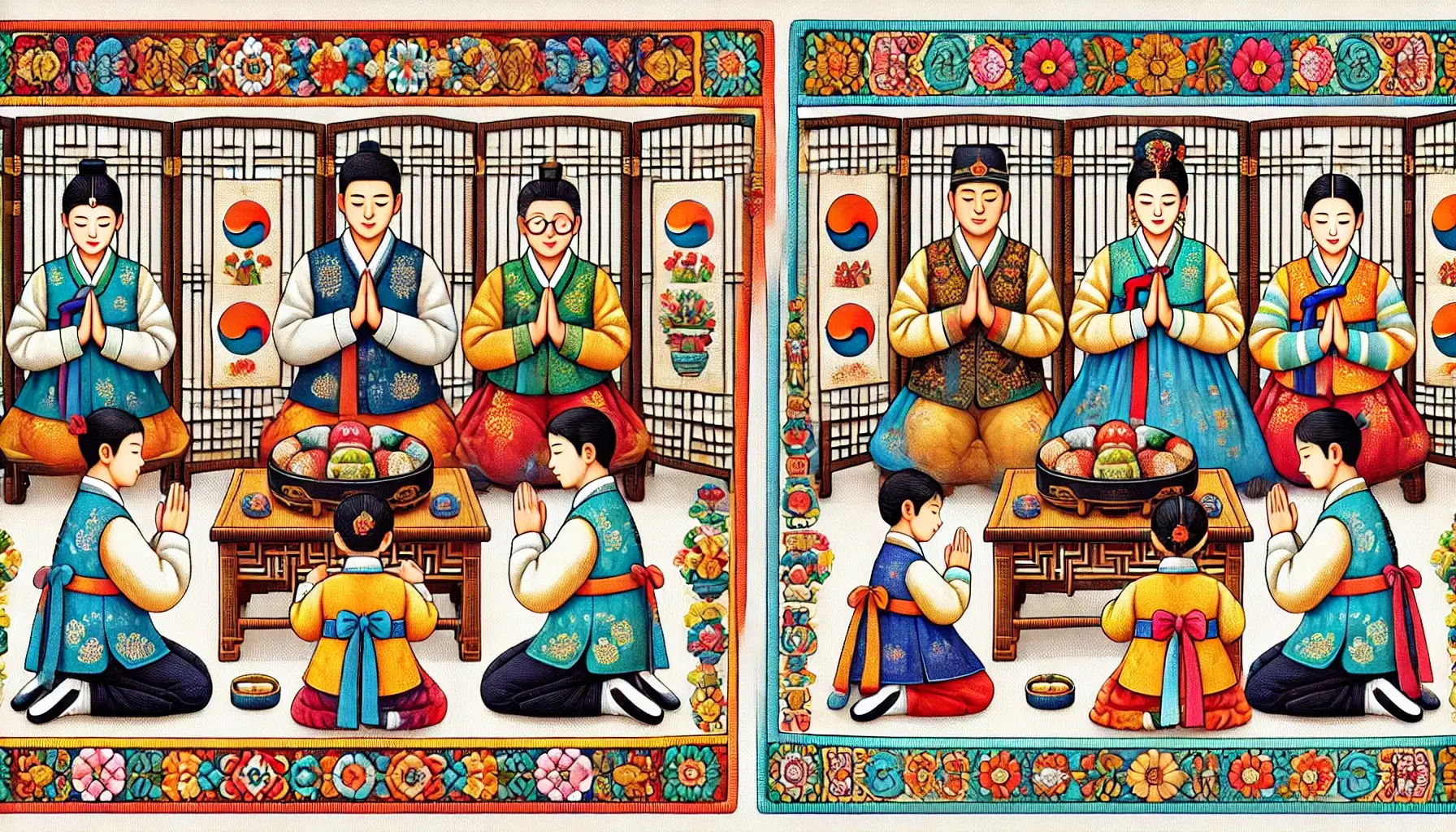
A Korean bow can be a brief greeting, a formal expression of thanks or part of a ceremony. Those are different situations. You do not need to perform a deep ceremonial bow every time you meet someone, and a gesture cannot guarantee that you will impress a host.
This guide offers a practical way to follow the actual occasion while keeping the other person’s preference, your comfort and access needs in view. It does not treat one family’s ceremony as a national rule.
Start with the occasion, not an angle
For an ordinary introduction, a polite greeting and a small, comfortable inclination may be enough. A deep floor bow belongs to a more specific setting, such as a family ceremony, and should be explained by the host or organizer.
Do not estimate respect by degrees or decide another person is rude from a shallow bow. Someone may have a mobility limitation, be carrying a child, follow a different religious practice or simply have been given different instructions.
Everyday greetings and professional meetings
Pause, face the person if comfortable and use a clear greeting. If a handshake is offered, follow the actual interaction rather than attempting several gestures at once. Keep space between people and avoid touching without invitation.
In a professional setting, the introduction and the task matter as much as the gesture. Confirm the person’s preferred address and actual role. A courteous bow does not establish who may approve a payment, sign an agreement or speak for an organization.
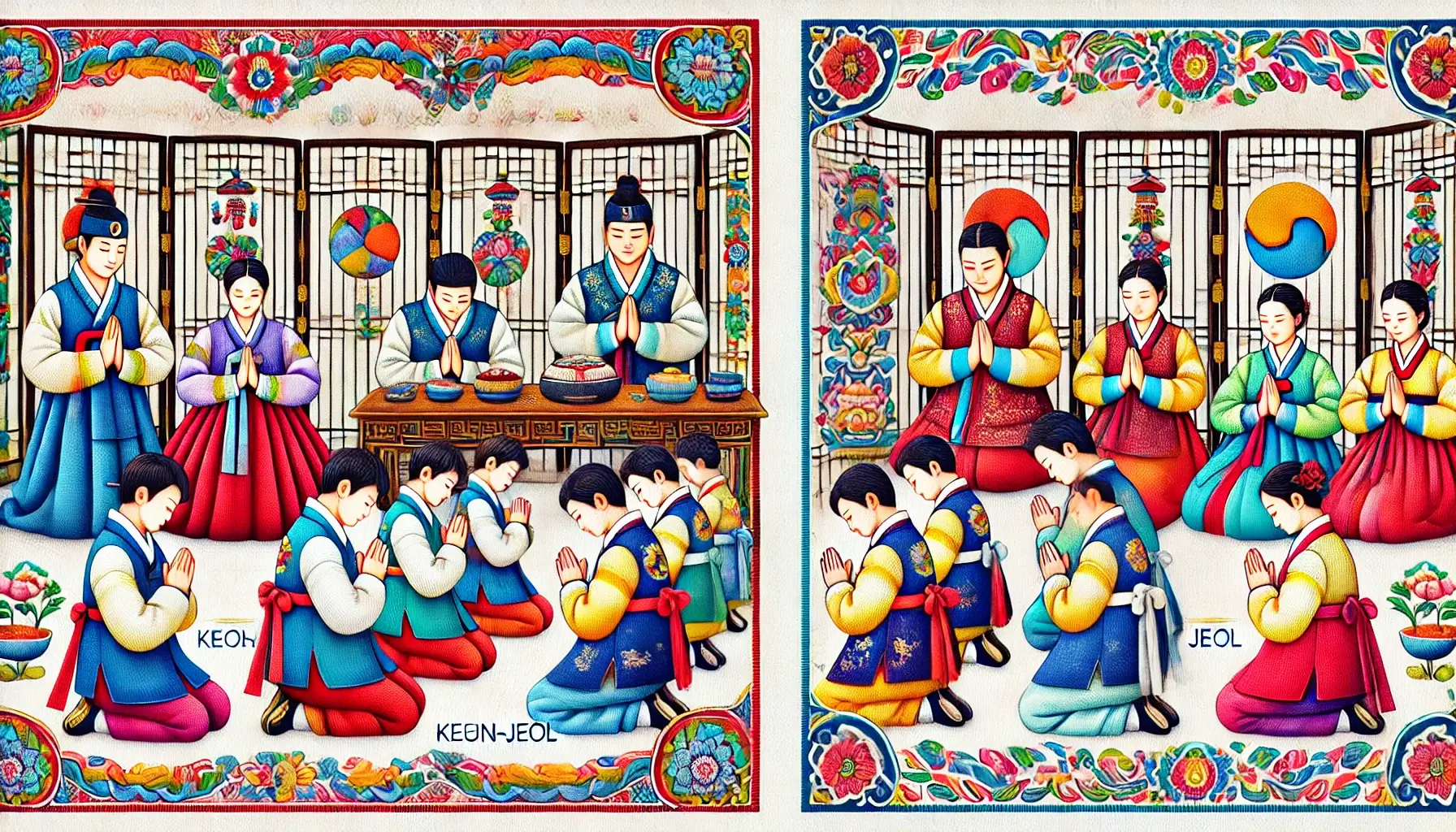
Family ceremonies and jeol
Before Seollal, a wedding or another family event, ask which parts guests are expected to join and who will demonstrate them. Household, religious and regional practices can differ. Watching a video can familiarize you with a movement but cannot establish the correct sequence for your invitation.
Ask about clothing, floor surfaces and space before kneeling. If the gesture involves equipment, offerings or a restricted area, let the organizer guide the moment. Do not assume that being a guest gives permission to photograph a ceremony.
Standing alternatives and personal boundaries
“I can offer a standing greeting, but I cannot kneel” explains a practical need without requiring a medical history. Ask in advance when possible so the host can plan an alternative.
Stop if a movement hurts or makes you unsteady. Respectful participation does not require ignoring pain, a prescribed support or a religious boundary. A person who declines a gesture should not be pushed to prove their reason.
Small mistakes and simple repairs
If you begin the wrong movement, pause and ask what is preferred. “I’m still learning; could you show me?” is usually more useful than an elaborate apology. Do not repeat a painful movement because you think the first attempt was imperfect.
If you are hosting, explain the sequence clearly and offer choices. Making a visitor comfortable does not depend on testing their cultural knowledge or correcting them in front of an audience.
Common questions
Must I always bow more deeply to an older person? Do not turn age into a universal movement rule. Follow the occasion and the person’s actual preference.
Can I just greet someone politely? For many ordinary encounters that is a reasonable starting point. For a ceremony, ask the organizer about the expected greeting and a suitable alternative.
Your next greeting
Identify the occasion and prepare one short greeting. If a formal bow is involved, ask the host about the sequence and any alternative you need before the event. The aim is an understandable, comfortable exchange, not a flawless performance.
Editorial revision: October 18, 2026. Official links and dated examples are identified where used. Verify current terms with the responsible provider or authority before acting. This guide makes no personal-testing, approval, safety or outcome guarantee.