Korean University Orientation: Events and Participation
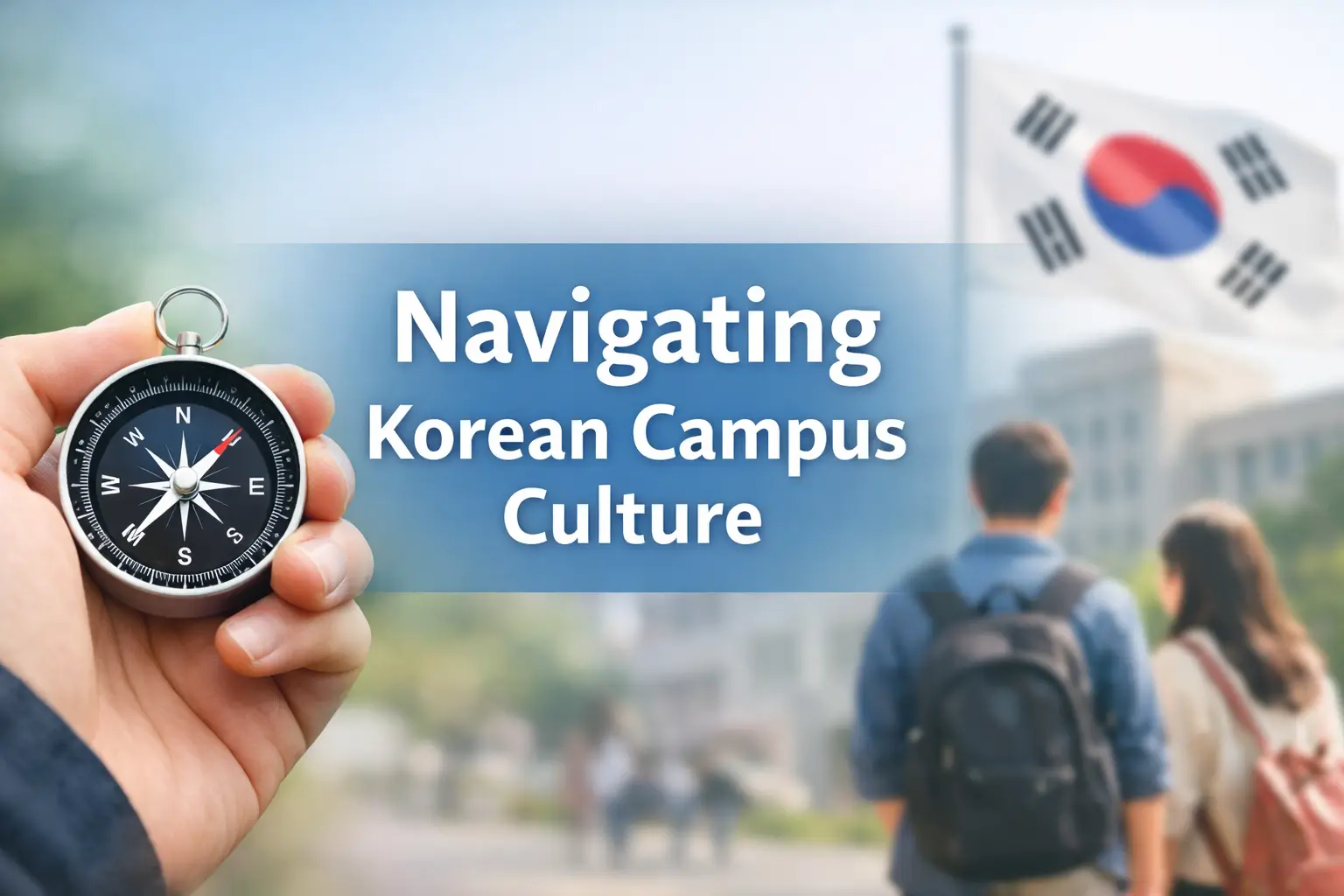
Prepare for university orientation in Korea by separating official registration tasks from social events, and check language support and participation expectations.

Culture, everyday life & practical guides to Korea.
 Korea Dr.
Prepare for university orientation in Korea by separating official registration tasks from social events, and check language support and participation expectations.

Interpret maybe and other indirect Korean responses through context, and ask a respectful follow-up to distinguish uncertainty, delay and refusal.

Understand Korean private academies, compare course costs and schedules, and choose support around your child’s learning needs rather than social pressure.

Separate general waste, food waste, recyclables and bulky items in Korea, then confirm your district’s and building’s collection rules before disposal.

Understand how a pause can carry different meanings in Korean conversation, and use context and a clear follow-up instead of assuming agreement or rejection.
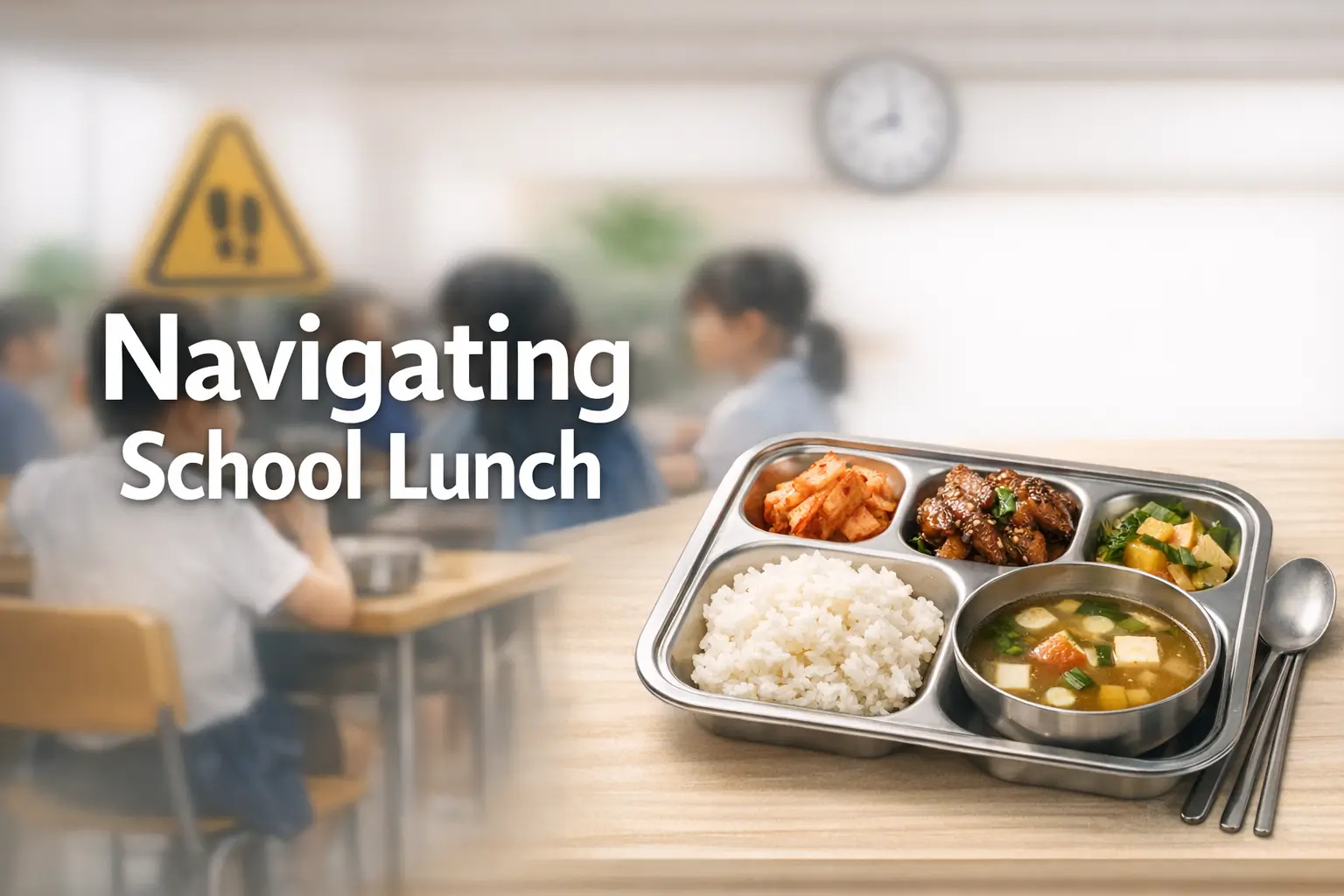
Prepare for school lunches in South Korea by asking about menus, allergies, meal routines, communication and the arrangements at your child’s school.

Understand ganjang and yangnyeom gejang, why marinating does not replace cooking, and the official safety advice to consider before ordering raw crab.

Understand why food scissors appear at Korean meals, which dishes may be cut at the table and how to follow the host’s or restaurant’s arrangement.

Explore how the shape and surface of Korean metal chopsticks affect handling, with practical ways to adjust your grip and practice without rushing.

Understand how soup, rice and side dishes can form a Korean meal, and read the menu before assuming a bowl is a starter or a complete order.