Korean Politeness: Relationship, Setting and Personal Boundaries

Read Korean politeness through the relationship, occasion and setting, and use practical questions rather than treating etiquette as one fixed checklist.

Culture, everyday life & practical guides to Korea.
 Korea Dr.
Read Korean politeness through the relationship, occasion and setting, and use practical questions rather than treating etiquette as one fixed checklist.

Notice seating arrangements at Korean meals, meetings and family occasions, and ask the host where to sit rather than assuming one hierarchy fits every room.

Explore how questions about meals can work as greetings or expressions of care in Korean, and respond to the context without assuming an invitation.

Read entrance signs and household cues before removing shoes in Korea, and check slippers, socks, storage and accessibility needs when the arrangement is unclear.

Choose solo-friendly restaurants in Korea by checking portions, minimum orders, seating and meal format instead of assuming eating alone is always awkward.

Explore seasonal desserts and limited menus in Korean cafes through ingredients, branding, availability and repeat visits without treating every cafe alike.
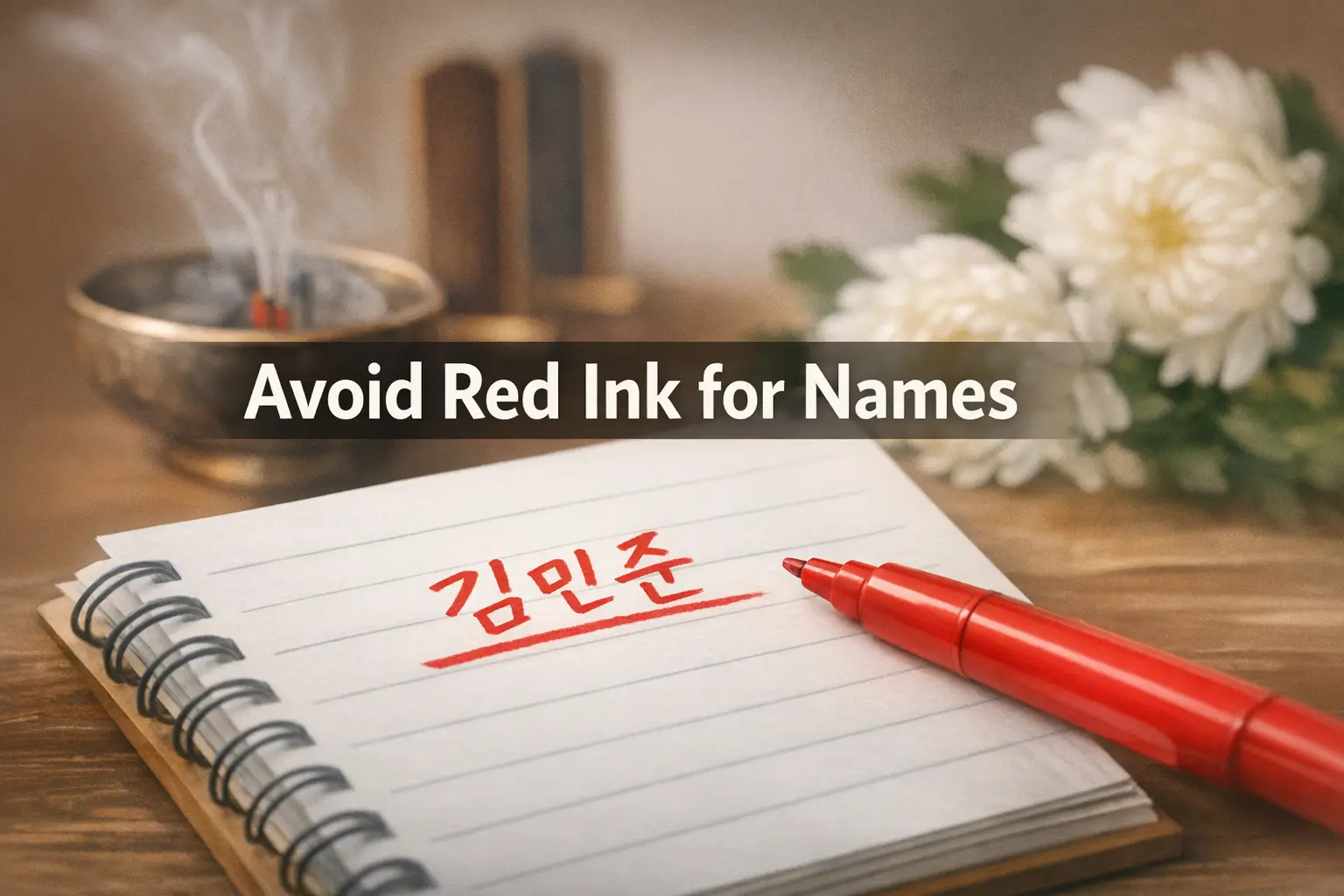
Understand the cultural associations of writing a name in red in Korea, and choose a considerate approach for cards, gifts and informal notes.

Prepare for everyday exchanges in Korea with attention to hands, timing, acknowledgment and the relationship, while adapting to the actual setting.

Explore how an industry, dish or historical event can shape a Korean city’s image, while looking beyond a single emblem to everyday local life.

Prepare for a Korean clinic appointment by confirming the service, language, fees and follow-up, and make sure a brief visit still answers your questions.