Korean Traditional Games: Space, Skills and Supervision
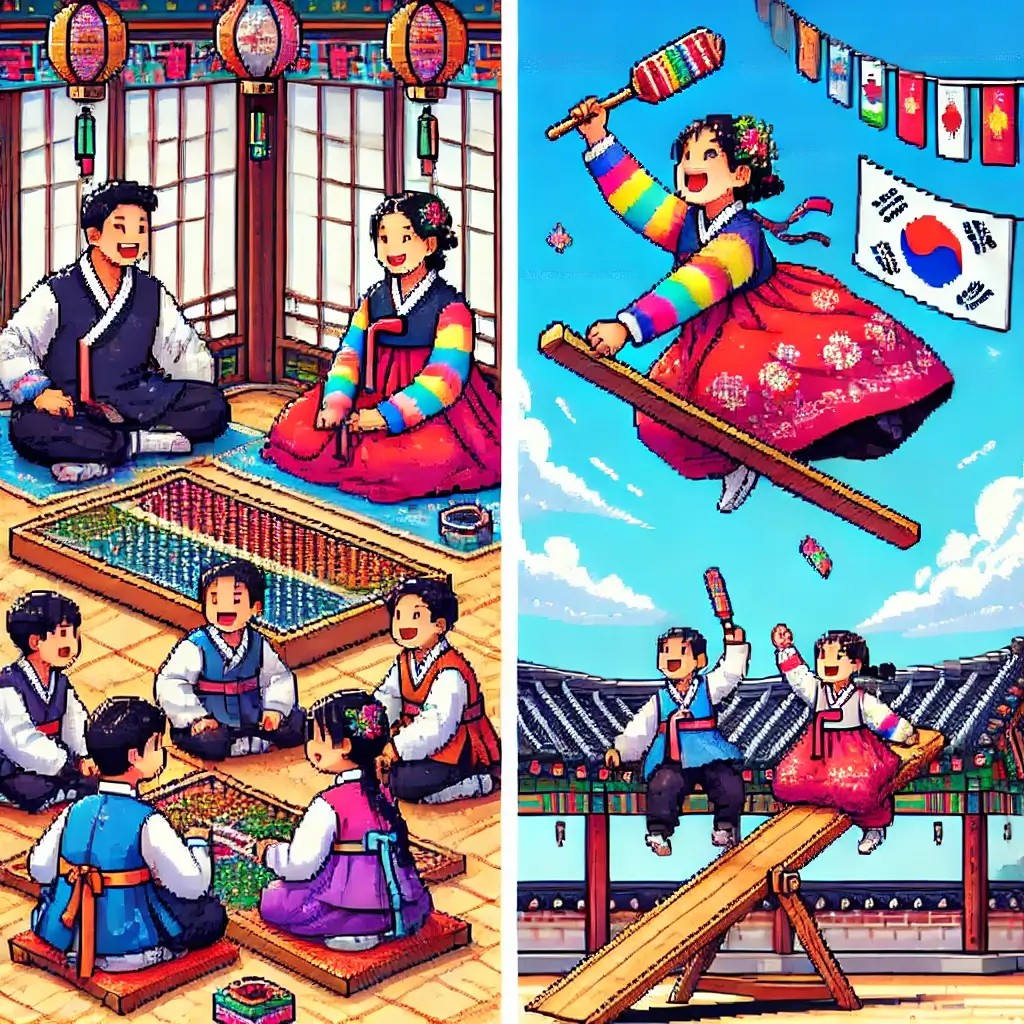
Compare yutnori, gonggi, jegichagi, ssireum and neolttwigi by space, equipment and supervision, then choose and explain a manageable activity for your group.
Culture, everyday life & practical guides to Korea.
Explore Korean customs, family etiquette, traditional games and everyday social life. These guides explain cultural context while leaving room for differences between families and communities.
New here? Start with our guide to five Korean traditional games or first-visit checklist for meeting Korean parents, then browse the latest culture articles below.
Compare yutnori, gonggi, jegichagi, ssireum and neolttwigi by space, equipment and supervision, then choose and explain a manageable activity for your group.

Explore pungsu through named sites, historical sources and landscape vocabulary, keeping beliefs about fortune separate from technical building assessments.
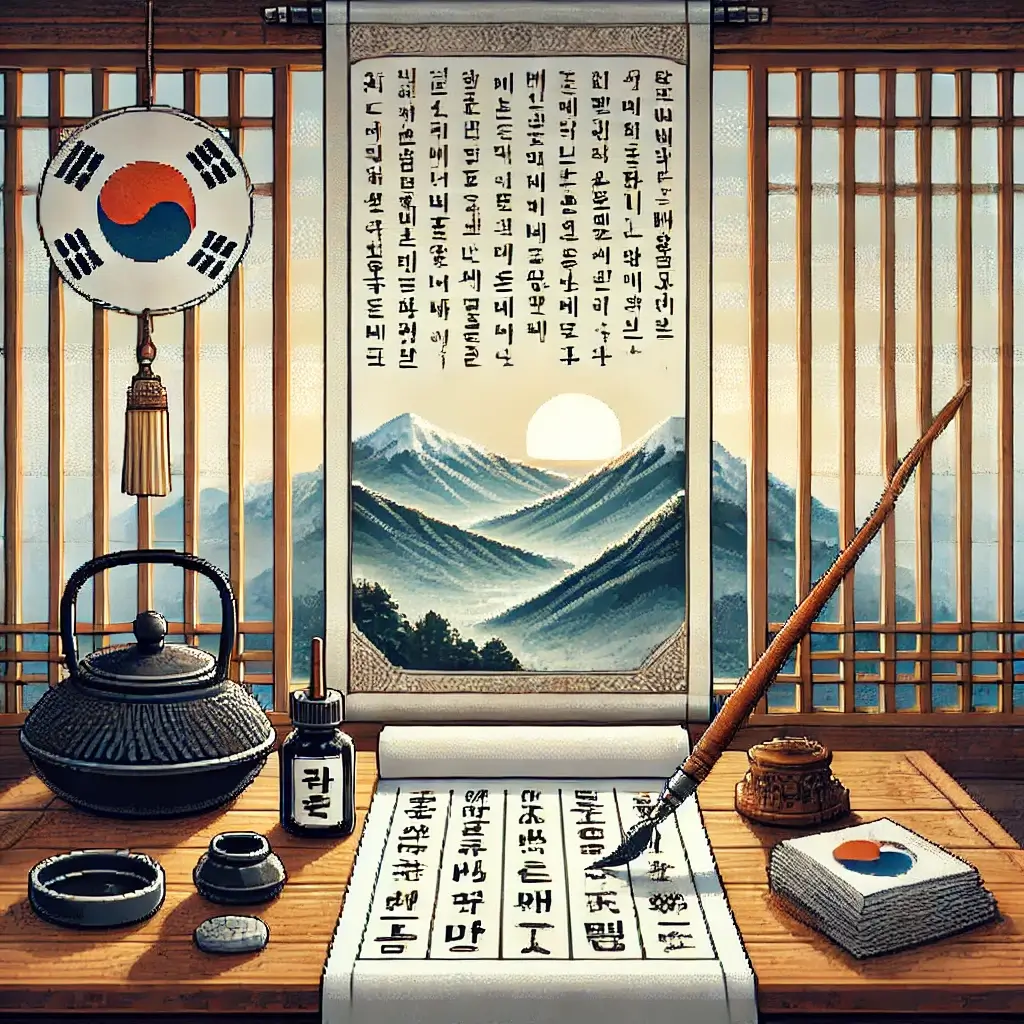
Start Korean calligraphy with one model, compatible tools and a small practice set, then compare dated samples and seek feedback on a visible technical feature.
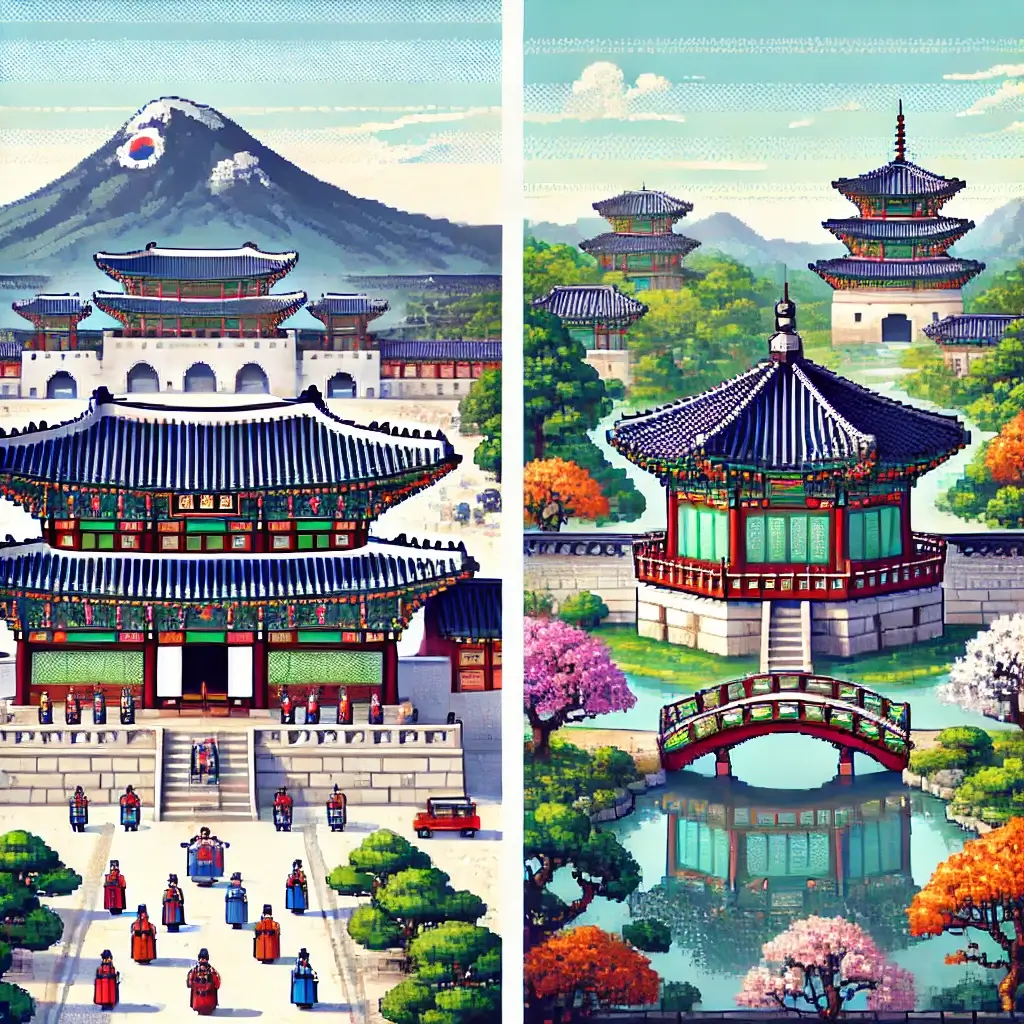
Compare Seoul’s five royal palaces, understand why Jongmyo is a separate royal ancestral shrine, and plan a visit from current official visitor notices.

Explore Korean instruments by how they produce sound, compare strings, winds and percussion, and listen to named performers while distinguishing genres.
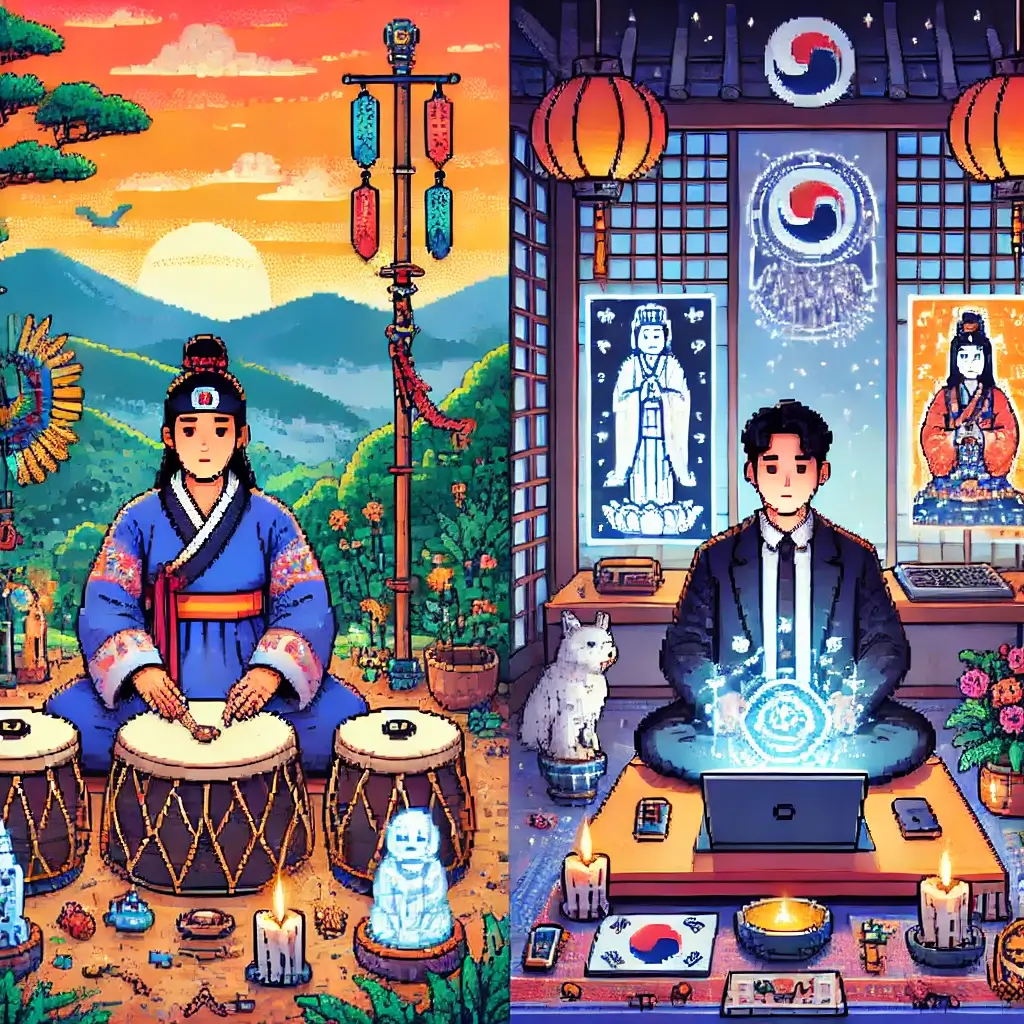
Understand mudang and gut through regional practices and the type of event, while respecting consent and separating cultural interpretation from guarantees.

Explore Korean minhwa through collection records, image composition and specific motifs, and distinguish observation from interpretation before making or buying.

Read Goryeo celadon through period, form, glaze and inlay, using museum objects to support observation while separating appreciation from authentication.
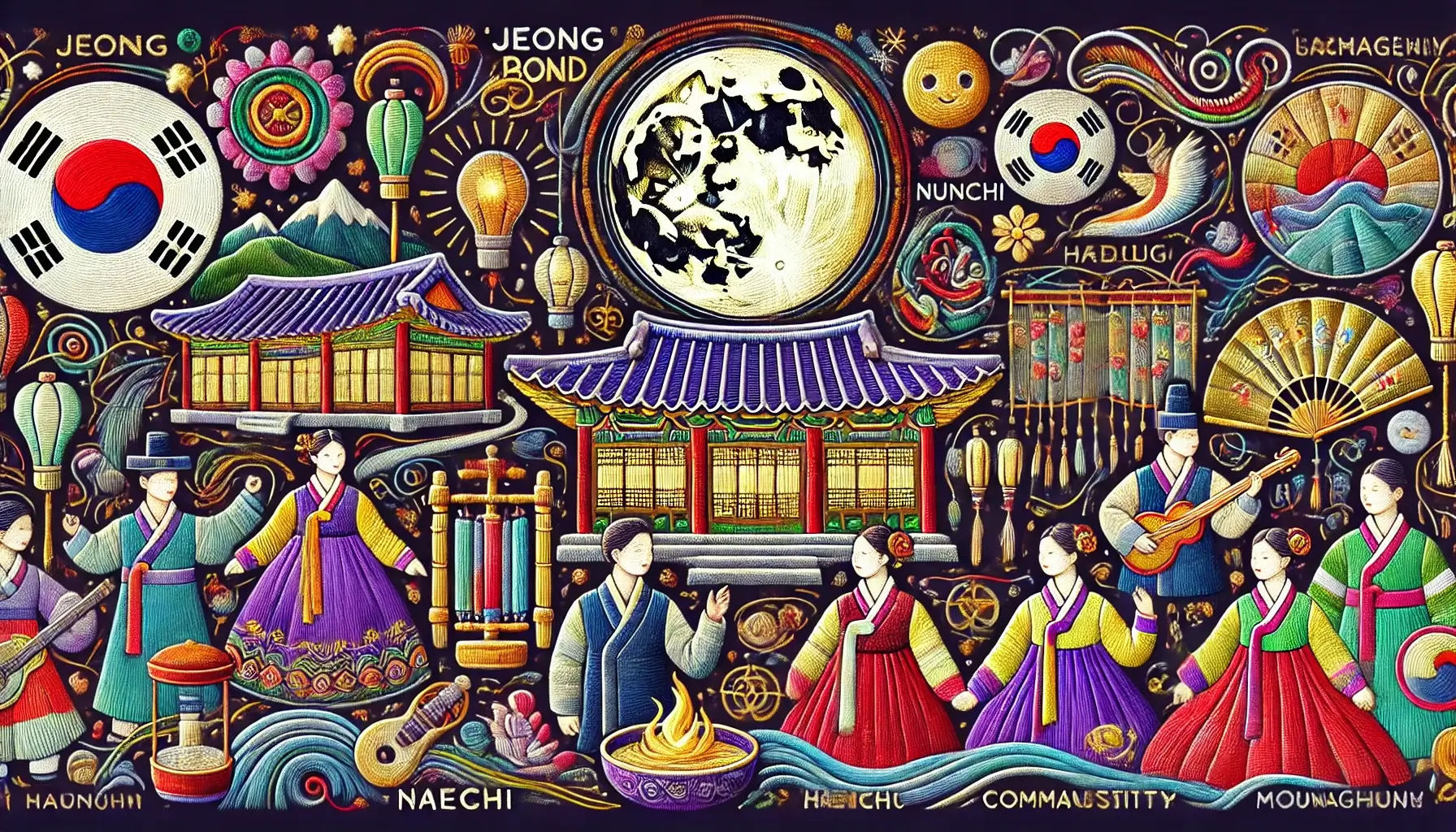
Explore jeong, han, nunchi, aegyo and heung through sentences, speakers and situations, rather than treating them as emotions exclusive to Korean people.

Explore Korean temple cuisine through Buddhist settings and actual dishes, confirm dietary requirements directly, and plan respectful participation in a program.