
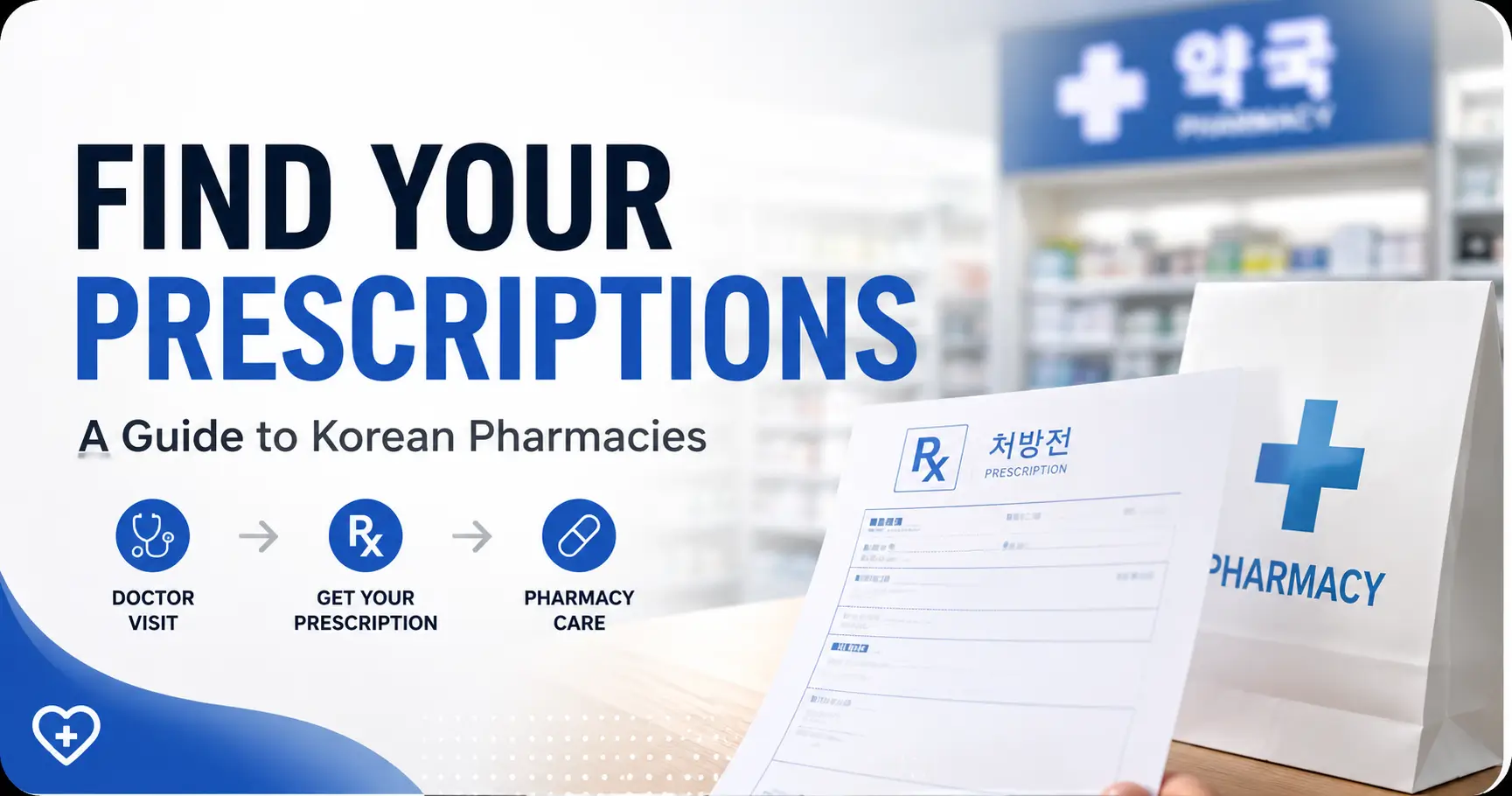
You leave a Korean clinic with a receipt in one hand, a small paper in the other, and a very reasonable question hovering over the sidewalk: “Where are the pills?”
That moment is common. Prescription filling in Korea usually works as a two-stop process: the clinic diagnoses and prescribes, then a separate pharmacy prepares and dispenses the medicine. For US travelers, expats, study-abroad students, and medical-tourism patients, the system can feel fast, tidy, and slightly mysterious, like being handed the missing page of a subway map.
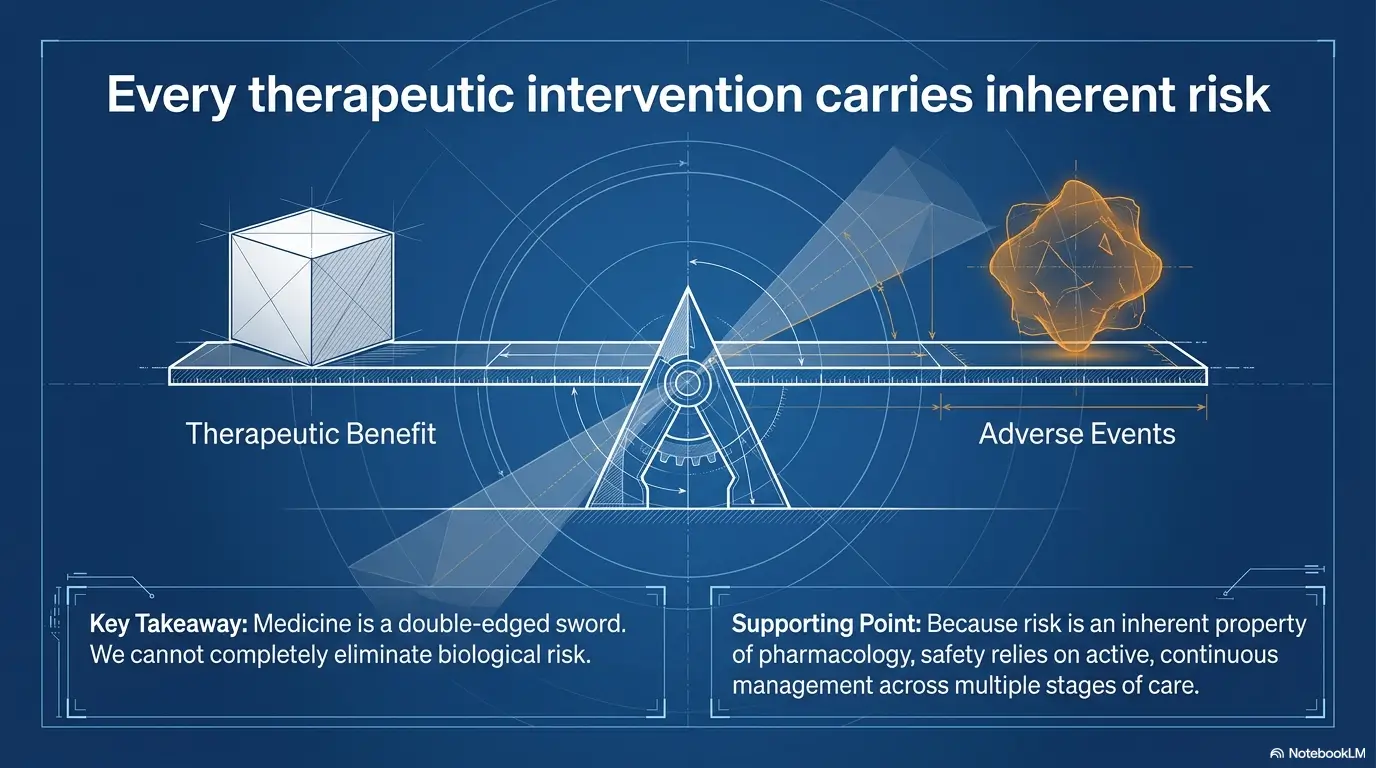
The stakes are not small. A missed allergy note, a misunderstood dosing packet, or a casual “I’ll figure it out later” can turn a simple cold, skin rash, stomach bug, or post-procedure prescription into avoidable trouble.
Here is the practical version:
- • In Korea, many outpatient clinics give you a prescription to take to a separate pharmacy.
- • The pharmacist checks the prescription, prepares the medication, explains how to take it, and may package pills by dose timing rather than in familiar US-style bottles.
- • Keep the paper. Ask before leaving. Treat the pharmacy counter as part of your care, not a quick errand.
The 30-Second Orientation
Doctor here. Medicine there. That is the normal rhythm for many outpatient visits in Korea.
- The clinic usually gives you a Korean prescription, called a 처방전.
- You take it to a pharmacy, often one near the clinic.
- The pharmacist fills it, packages it, and explains the schedule.
- You should confirm allergies, side effects, timing, and what to do if symptoms worsen.
Think of it as a relay race. The clinic passes the baton. The pharmacy carries it safely across the finish line.
Contents — choose a section
Table of Contents
Safety First: Read This Before Taking Anything
This guide is for general education. It is not medical advice, diagnosis, legal guidance, or a replacement for pharmacy counseling. Medication rules, insurance coverage, generic substitution, controlled drugs, refills, and foreign-patient workflows can vary by clinic, hospital, pharmacy, city, and current regulation.
Before taking any medication, confirm instructions with the prescribing clinician or pharmacist. This matters even more if you are pregnant, caring for a child, managing chronic disease, taking several medications, or dealing with allergies.
- Ask about dose timing before taking the first packet.
- Confirm allergies and current medications with the pharmacist.
- Get help quickly for severe reactions or confusing instructions.
Apply in 60 seconds: Open your notes app and write your allergies, current medicines, and one emergency contact.
The “Two-Stop” System: Why the Doctor Does Not Hand You the Pills
Korea’s prescribing-and-dispensing split, in plain English
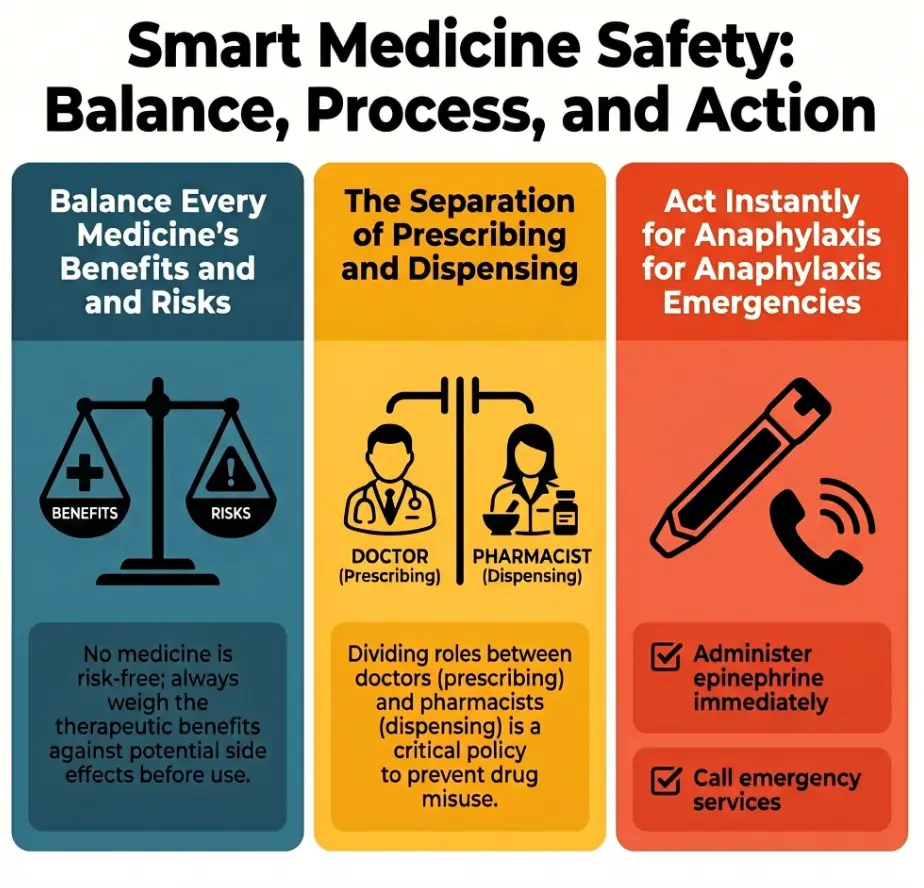
In many Korean outpatient settings, the doctor examines you and writes the prescription. The pharmacy fills it. This separation of prescribing and dispensing became mandatory in Korea in 2000 for most outpatient care. The point was to separate clinical decision-making from medication dispensing and reduce inappropriate medicine use.
For visitors from the US, the idea is familiar in theory but different in practice. In the US, you might drive to a large chain pharmacy, wait for a text, and pick up a bottle later. In Korea, the clinic may point you to a pharmacy a few doors away, where the medicine can be prepared quickly.
The system can feel brisk. Korea has a strong “get the practical thing done” tempo in everyday services, and healthcare often reflects that. If you want a broader cultural lens, the same speed shows up in why Korean clinics are so fast, where the rhythm of registration, payment, and short consultations can surprise first-time visitors.
What US visitors may find surprising
The pharmacy may be tiny. It may sit beside the clinic elevator. It may have no aisles of shampoo, greeting cards, cough drops, and seasonal plush bears judging your life choices.
Instead, the counter is the main event. You hand over the prescription. The pharmacist reviews it. Then your medication may arrive in labeled dose packets, small bottles, tubes, inhalers, eye drops, or other packaging.
That dose-packet system can be wonderfully convenient. It can also be confusing if you assume every packet works like a US pill bottle with a long printed label.
The small paper that matters more than it looks
The prescription, or 처방전, is the bridge between the clinic and pharmacy. Do not fold it into a pocket and forget it under a museum ticket. Do not toss it after taking a photo unless the clinic or pharmacy confirms that a photo is enough.
Check whether the paper has your name, date, medication list, dosing period, clinic details, and any insurance information. If something looks wrong, ask before leaving the clinic. Once you are outside, the paper becomes your little medical passport.
Show me the nerdy details
Korea’s outpatient medicine system generally separates prescribing by medical institutions from dispensing by pharmacies. In practice, that means the prescription order and the medication supply are handled by different professionals. This does not mean the pharmacist is simply “handing over pills.” The pharmacist may check dosage, directions, duplicate therapy, potential interactions, patient questions, available inventory, and whether clarification is needed from the prescriber. For travelers, the safest workflow is to treat the pharmacy visit as a second safety checkpoint rather than an administrative stop.
Who This Is For, And Who Should Slow Down First
Best fit: travelers, expats, students, and first-time clinic users
This guide is for the person who just visited a Korean clinic and is holding a prescription with mild panic and excellent posture. Maybe you are a tourist with sinus pressure. Maybe you are an exchange student with a rash. Maybe you are an expat learning the local healthcare choreography one counter at a time.
It also helps medical tourists who need to understand follow-up medication after a procedure. Korea has many smooth healthcare experiences, but smooth does not mean “automatic.” You still need to understand what you are taking and why.
Not enough: emergency symptoms, complex conditions, or unclear allergies
Slow down if you have chest pain, trouble breathing, fainting, severe swelling, a serious allergic reaction, pregnancy-related medication questions, pediatric dosing concerns, psychiatric medication changes, seizure medication issues, blood thinner questions, or controlled-substance problems.
Also slow down if your medication history is complicated. A five-minute pharmacy counter chat can only do so much if your body is already running a full orchestra of prescriptions.
Let’s be honest: “I’ll Google the pill later” is not a plan
Search engines are useful. They are not pharmacists wearing comfortable shoes and standing in front of your actual prescription.
If the label is in Korean, if the pill shape is unfamiliar, or if you do not know whether to take it with food, ask before leaving. That one question can save you a messy evening involving a hotel kettle, a translation app, and a rising sense of theatrical regret.
Money Block: Should You Pause Before Filling?
Answer yes or no:
- Do you have a serious medication allergy?
- Are you pregnant, trying to become pregnant, or breastfeeding?
- Are you taking blood thinners, diabetes drugs, seizure medicine, psychiatric medication, steroids, or heart medication?
- Is the prescription for a child or older adult with multiple conditions?
- Do you not understand why the medicine was prescribed?
If yes: Ask the pharmacist to review safety points before dispensing or call the clinic for clarification.
Neutral action line: Show your medication list at the counter before payment is finalized.
Step One at the Clinic: Pay, Collect, Check
Before you leave the front desk
After the consultation, the clinic front desk usually handles payment and paperwork. Depending on the clinic, you may receive a receipt, a printed prescription, follow-up instructions, or guidance on where to take the prescription.
Ask a direct question: “Do I take this to a pharmacy?” If the answer is yes, ask whether there is a nearby pharmacy. Many clinics have a pharmacy within a short walk. In dense neighborhoods, the pharmacy may be so close that you can practically hear the printer sigh.
If you are doing a broader appointment, such as a routine exam or screening, the steps may overlap with the general flow described in health checkups in Korea, where paperwork, payment, and follow-up instructions often move quickly.
Check these four details while still inside
Before leaving the clinic, check four simple things:
- Your name: Make sure the prescription belongs to you.
- The date: Some prescriptions may need to be filled within a certain period.
- The medication count: Ask how many medicines were prescribed.
- The dosing period: Confirm whether it is for 1 day, 3 days, 7 days, or longer.
This is not nitpicking. It is a small fence around a large field of possible confusion.
If the clinic sends it electronically
Some workflows may involve electronic processing, clinic-to-pharmacy communication, or a pharmacy selected by the patient. If you are not handed a paper prescription, ask what happens next.
Useful questions include:
- “Which pharmacy should I go to?”
- “Do I need a printed prescription?”
- “Can I choose another pharmacy?”
- “How long is this prescription valid?”
- Check your name and date.
- Ask how many medicines were prescribed.
- Confirm where to take the prescription.
Apply in 60 seconds: Before leaving the clinic, point to the prescription and ask, “Where should I fill this?”
Step Two at the Pharmacy: Hand Over the Prescription, Not Your Guesswork
What to say when you walk in
At the pharmacy, hand over the prescription. If you do not speak Korean, keep it simple and written.
- “I have a prescription.”
- “I have allergies.”
- “Can you explain how to take it?”
- “Does this cause drowsiness?”
- “Can I drink alcohol with this?”
If you can, save these phrases in Korean translation on your phone. Translation apps can help, but do not let the app run the whole opera. Dosage instructions deserve human confirmation.
What the pharmacist actually does
The pharmacist does more than put medicine in a bag. They review the prescription, prepare the medication, package it, explain instructions, and answer questions. They may also check for obvious safety issues, such as duplicate medicines or possible interactions.
In Korea, short-term outpatient medicines are often dispensed quickly. That speed is convenient, especially when you are sick, jet-lagged, and wearing the expression of a damp passport. Still, speed should not erase your questions.
Why the pharmacy near the clinic often works best
A pharmacy near the clinic may already know the clinic’s prescribing style. That can reduce confusion and save time. If the clinic commonly prescribes certain combinations, the nearby pharmacy may stock them regularly.
You are not trapped, though. If you need a different location, ask whether you can use another pharmacy. The safe move is not “nearest at all costs.” The safe move is “pharmacy that can fill it correctly and explain it clearly.”
The Dosing Packet Puzzle: How Korean Medicine Packaging Works
Morning, lunch, dinner: the packet logic
Many Korean pharmacies package tablets and capsules into dose packets. One packet might contain the pills for after breakfast. Another for after lunch. Another for after dinner.
This can be brilliantly convenient. You do not need to open three bottles and count tiny tablets while your sinuses hold a protest march.
But packets also require attention. If you tear everything open, move pills into an unmarked container, or separate packets from the instructions, you can lose the timing logic.
Doctor examines, diagnoses, and decides treatment.
You receive a 처방전 or pharmacy instructions.
Pharmacist reviews, prepares, and packages medicine.
You confirm dose, timing, side effects, and red flags.
Bottles, powders, creams, drops, and inhalers
Not every medicine comes in packets. Liquids may come in bottles. Skin creams may come in tubes. Eye drops, nasal sprays, powders, suppositories, and inhalers each have their own rules.
Ask for a demonstration if the medicine involves technique. Eye drops, inhalers, and nasal sprays are especially easy to use almost correctly, which is the most irritating kind of incorrect.
Here’s what no one tells you: “after meals” can be the whole schedule
Many Korean medication instructions are meal-based: after breakfast, after lunch, after dinner. That works beautifully if you eat three regular meals. It gets muddy if you are a traveler who had coffee at 10:40, street toast at 2:15, and a convenience-store triangle kimbap at midnight.
If your schedule is irregular, ask how flexible the timing is. Some medicines need consistent spacing. Others are more forgiving. Do not guess based on vibes and airport snacks.
Money Block: Packets vs Bottles Decision Card
Packets are easier when: the prescription is short-term, meal-based, and includes several pills per dose.
Bottles may be easier when: you need longer-term use, flexible dosing, or clear medicine-by-medicine identification.
Trade-off: Packets reduce counting. Bottles preserve individual labels more clearly.
Neutral action line: Ask the pharmacist to mark which packet is morning, lunch, dinner, and bedtime if the label is unclear.
Common Mistakes That Turn a Simple Prescription Into a Tiny Drama
Mistake 1: Leaving without allergy clarification
Allergy information should not live only in your memory, especially when you are sick, tired, or translating under fluorescent lights. Write allergy names in English and Korean if possible. Include drug allergies, food allergies that affect medication ingredients, and serious reactions you have had before.
If you have a severe allergy history, carry emergency information. The US CDC and major allergy organizations emphasize that serious allergic reactions can progress quickly, so clear communication matters before the first dose.
Mistake 2: Assuming every medicine is the same as back home
A familiar-looking tablet is not proof of familiarity. Brand names, strengths, formulations, and approved uses can differ by country. Even common cold medicines can contain combinations you did not expect.
Ask for the active ingredient. If you are comparing it to a medicine from home, compare ingredient, strength, and dosing schedule, not just the brand name.
Mistake 3: Not asking whether anything causes drowsiness
This is a big one. Some antihistamines, cough medicines, pain relievers, nausea medicines, muscle relaxants, and sleep-related medicines can cause drowsiness.
Ask before driving, hiking, drinking alcohol, working, operating equipment, caring for children, or making big travel decisions. “I thought I was fine” is a poor travel companion. It never carries luggage.
Mistake 4: Forgetting to ask what to do if symptoms worsen
Every prescription should come with a practical exit ramp. Ask when to call the clinic again, when to return for follow-up, and which symptoms are urgent.
For example, a mild sore throat and a rapidly worsening fever are not the same story. A small rash and swelling of the lips are not the same story. Your goal is to know the difference before you are standing in a hotel bathroom at 1 a.m. debating whether a symptom is “probably fine.”
Illustrative Scenario: The Packet on the Guesthouse Desk
A study-abroad student once described her first Korean clinic visit as “too efficient to trust.” She had a cough, got examined, paid, walked next door, and received neat little packets labeled in Korean. Back at her guesthouse, she spread them across the desk like fortune cards. Morning? Dinner? Was the white tablet the antibiotic or the stomach protector?
She almost took the wrong packet before noticing a tiny printed meal cue. The next day, she returned to the pharmacy and asked for the schedule to be written in English. The pharmacist did it in thirty seconds. Her lesson was plain: confusion is not a character flaw. It is a signal to ask sooner. In a new healthcare system, courage often looks like pointing at a packet and saying, “Please explain this one more time.”
- Write allergies before the appointment.
- Ask about drowsiness and alcohol.
- Confirm what to do if symptoms get worse.
Apply in 60 seconds: Add “Does this make me sleepy?” to your pharmacy question list.
Don’t Do This: The Risky Shortcuts Visitors Regret
Don’t split packets into a mystery pile
Keep medicine in its original packet or labeled packaging until you finish the course. If you need to carry doses, move the entire labeled packet, not loose tablets.
Loose pills in a mint tin may look resourceful. In reality, they become tiny anonymous moons. Pretty, perhaps. Clinically unhelpful.
Don’t mix clinic prescriptions with old travel meds
Travelers often carry a small pharmacy in their bag: pain relievers, cold medicine, sleep aids, stomach medicine, allergy pills, maybe an old antibiotic from a previous trip. Do not combine these casually with a new Korean prescription.
Some medicines overlap. Some increase drowsiness. Some irritate the stomach. Some interact with blood pressure, diabetes, mood, or heart medications.
Don’t treat antibiotics like souvenir candy
If you are prescribed antibiotics, ask exactly how to take them and what to do if you feel better early or develop side effects. Do not stop, extend, save, share, or restart antibiotics unless a clinician tells you to.
Antibiotic misuse is not just a personal inconvenience. It contributes to resistance, which is the medical equivalent of teaching bacteria to pick locks.
Cost, Insurance, and Receipts: The Unromantic Part That Saves Money
If you have Korean National Health Insurance
If you are enrolled in Korea’s National Health Insurance system, your out-of-pocket costs may differ from an uninsured visitor’s costs. Coverage can depend on eligibility, type of care, medication, provider, and whether the service is covered.
If you live in Korea long-term, your healthcare flow may also intersect with other systems of local life, including registration and identification. For a practical social-administration companion, see Korea resident registration, especially if you are trying to understand why documents matter so much in everyday Korean systems.
If you are paying as a tourist or short-term visitor
Tourists and short-term visitors often pay out of pocket, then submit documents to travel insurance later. That means the clinic receipt and pharmacy receipt both matter.
If you bought travel insurance, check whether it requires diagnosis codes, English receipts, proof of payment, itemized medication records, or physician notes. This is the part of travel nobody photographs, yet it can save real money.
If you are comparing coverage before a trip, travel insurance for South Korea is worth reading before you need it. Insurance paperwork has a cruel habit of becoming fascinating only after something goes wrong.
Ask for documentation before you walk away
Ask the clinic and pharmacy for documents while you are still there. If English documentation is available, request it. If not, keep the Korean receipt, medication packaging, and any printed instructions.
Money Block: Receipt and Documentation Table
| Document | Why it matters | Ask before leaving |
|---|---|---|
| Clinic receipt | Shows visit cost and provider details | Yes |
| Pharmacy receipt | Supports insurance claims and medication tracking | Yes |
| Medication list | Helps future doctors identify what you took | Yes, if available |
| English note | Useful for travel insurance or follow-up abroad | Ask politely |
Neutral action line: Put all clinic and pharmacy papers in one envelope or phone album the same day.
Substitutions and Out-of-Stock Meds: When the Pharmacist Pauses
Why the exact product may not be available
Sometimes the pharmacy may not have the exact product named on the prescription. Inventory changes. Brands differ. A particular strength or dosage form may be temporarily unavailable.
A pause at the counter does not automatically mean danger. It often means the pharmacist is checking whether an equivalent option is appropriate or whether the prescriber needs to be contacted.
What to ask before accepting a change
Ask calm, specific questions:
- “Is the active ingredient the same?”
- “Is the strength the same?”
- “Is the form the same, such as tablet, capsule, liquid, cream, or inhaler?”
- “Do I take it the same way?”
- “Should the clinic approve this change?”
Do not reduce the conversation to “same medicine?” That phrase can hide too much. Same ingredient is not always the same experience if the form, dose, or schedule changes.
When the pharmacy may call the clinic
If the pharmacist calls the clinic, treat it as a safety sign. It means the professionals are closing a loop.
Wait for clarification. This is not the moment to wander out and self-design your treatment plan because you once survived a red-eye flight with only almonds and stubbornness.
Language Barriers: How to Make the Counter Conversation Safer
Bring a medication list, not a memory test
Before visiting a clinic, prepare a medication card. Include current prescriptions, over-the-counter medicines, supplements, drug allergies, major diagnoses, pregnancy or breastfeeding status if relevant, and an emergency contact.
This is especially helpful if you use a Korean phone number, hotel address, or temporary contact. For longer stays, practical setup issues such as mobile access can matter more than expected; Korean phone plans for Americans can help readers who need smoother appointment calls and pharmacy follow-ups.
Use translation apps carefully
Translation apps can reduce friction, but dosage is not a place for poetic ambiguity. Machine translation may struggle with context, timing, abbreviations, or medical nuance.
Use the app to ask the question. Then confirm the answer with a pharmacist. If possible, ask them to write the timing on the packet in English or simple symbols.
The five questions worth asking every time
These five questions are simple enough to ask under pressure:
- What is this medicine for?
- How often should I take it?
- Should I take it with food or without food?
- What side effects should I watch for?
- What should I avoid while taking it?
Money Block: Pharmacy Counter Prep List
Before you hand over the prescription, have these ready:
- Passport or ID if requested.
- Current medication list.
- Drug and food allergies.
- Insurance details, if any.
- Payment card or cash.
- A translation note that says, “Please explain how to take this medicine.”
Neutral action line: Save this list as a screenshot before your first clinic visit in Korea.
- Write your health basics in advance.
- Use translation apps as a bridge, not the final authority.
- Ask the same five pharmacy questions every time.
Apply in 60 seconds: Save “What should I avoid while taking this?” in your translation app.
When to Seek Help Instead of Waiting It Out
Call the clinic or pharmacist for confusing instructions
If you do not understand the packet labels, dose timing, medicine purpose, or what to do if you miss a dose, call or return to the pharmacy or clinic before taking it.
Confusion is not a reason to improvise. It is a reason to ask. Medicine rewards clarity more than confidence.
Seek urgent care for red-flag reactions
Seek urgent medical help for trouble breathing, swelling of the lips or face, severe rash, fainting, chest pain, severe vomiting, confusion, rapid worsening symptoms, or signs of a severe allergic reaction.
Major medical organizations such as the CDC and Mayo Clinic describe anaphylaxis as a potentially life-threatening allergic reaction that can involve breathing problems, swelling, rash, vomiting, fainting, or shock. If you suspect a severe allergic reaction, do not wait to “see how it goes.”
Get medical advice before stopping critical medicines
Some medicines should not be stopped suddenly without medical guidance. This can include blood pressure medication, diabetes drugs, anticoagulants, seizure medicine, psychiatric medication, steroids, antibiotics, and certain heart medicines.
If side effects worry you, contact the clinic or pharmacist. Do not simply stop and hope your body files the paperwork correctly.
FAQ
Can I take a Korean clinic prescription to any pharmacy?
In many outpatient situations, you can use an outside pharmacy, though many patients choose one near the clinic for speed and familiarity. If you want to use a different pharmacy, ask the clinic whether the prescription can be filled elsewhere and whether you need a printed copy.
Will the pharmacist speak English?
Some pharmacists speak English, especially near major hospitals, universities, tourist areas, and international clinics. It is not guaranteed. Bring written medication and allergy information, and use simple questions. A prepared note is quieter than panic and much more useful.
Do Korean pharmacies give medicine in bottles or packets?
Both exist. Short-term outpatient prescriptions often come in dose packets sorted by timing, such as after breakfast, lunch, and dinner. Liquids, creams, eye drops, sprays, and inhalers may come in separate containers with their own instructions.
Can I refill a Korean prescription later?
Refill expectations may differ from the US. Ask the clinic and pharmacy how many days are prescribed, whether the prescription allows additional dispensing, and whether you need another clinic visit. Do this before you run out, not during your final dramatic tablet.
Can I use my US prescription in Korea?
A US prescription may not be fillable as-is in Korea. A Korean-licensed clinician may need to evaluate you and issue a local prescription. This is especially important for controlled substances, psychiatric medication, long-term medication, and drugs that are not available in the same form.
What if I lose my prescription before reaching the pharmacy?
Contact the clinic promptly. Do not ask a pharmacy to guess from memory. A photo may or may not be acceptable, depending on the situation, pharmacy, and prescription details. The safest move is to ask the clinic how to reissue or resend it.
Are over-the-counter medicines available without seeing a doctor?
Some medicines for minor symptoms are available at Korean pharmacies without a prescription. Prescription-only medicines still require a valid prescription. If symptoms are severe, unusual, persistent, or involve a child, pregnancy, chest pain, breathing issues, or allergic reactions, seek medical care.
Should I keep the pharmacy receipt?
Yes. Keep clinic and pharmacy receipts, medication packaging, and instructions. They may help with insurance claims, follow-up care, airport questions, or future doctors trying to understand what you took.
Can convenience stores sell medicine in Korea?
Some limited medicines may be available at convenience stores, but pharmacies are the better place for medication questions. If you are new to Korean daily-life systems, the Korean convenience store guide can help you understand what convenience stores are good for and where their limits begin.
What should I do if I cannot call the clinic because of language issues?
Try returning to the pharmacy, contacting the clinic front desk in person, asking your hotel or school international office for help, or using a medical translation support service if available. For emergencies, seek urgent care rather than waiting for perfect translation.
Leave the pharmacy with instructions you can explain back
Ask which medicine or packet is which, when and how to take it, what to do about your other medicines, and whom to contact if the directions are unclear. Repeat your understanding to the pharmacist and request written information you can use. A packet’s position in a bag or an automatic translation of a label is not enough to infer the regimen. Keep the prescription and dispensing information together for any later clarification.
| Focus | What to check |
|---|---|
| Identity | Confirm the medicine and intended recipient. |
| Directions | Understand the actual prescribed instructions. |
| Clarification | Keep records and use the dispensing or prescribing contact. |
A reader question: What if the packet instructions conflict with what I remember?
Contact the dispensing pharmacist or prescribing clinician before guessing. Describe the exact medicine and discrepancy; do not double, stop or substitute a dose based on a blog example.
Next Step: Make a One-Minute Medication Card Before You Travel
Write this before your first clinic visit
Create a short medication safety note. It does not need to be elegant. It needs to be useful.
Include:
- Your full name and birthdate.
- Current prescription medicines.
- Over-the-counter medicines and supplements.
- Drug allergies and reaction type.
- Major diagnoses, such as diabetes, asthma, seizures, heart disease, or kidney disease.
- Pregnancy or breastfeeding status if relevant.
- Emergency contact.
- Preferred language.
Save it in two places
Keep one copy on your phone and one paper copy in your wallet, passport pouch, or travel folder. Phone batteries die. Paper waits patiently, like a monk with excellent administrative instincts.
Your concrete action today
Create a note titled Korea Medication Safety Note. Add allergies, current medicines, and three pharmacy questions:
- What is this for?
- How do I take it?
- What should make me call the clinic?
- List current medicines and allergies.
- Keep phone and paper copies.
- Use the same three questions at every pharmacy counter.
Apply in 60 seconds: Create the note now and pin it to the top of your phone’s notes app.
Conclusion: Leave the Pharmacy With Answers, Not Fog
The confusing part of prescription filling in Korea is not that the system is chaotic. It is often the opposite. It can be so quick and orderly that visitors miss the moment when they should ask questions.
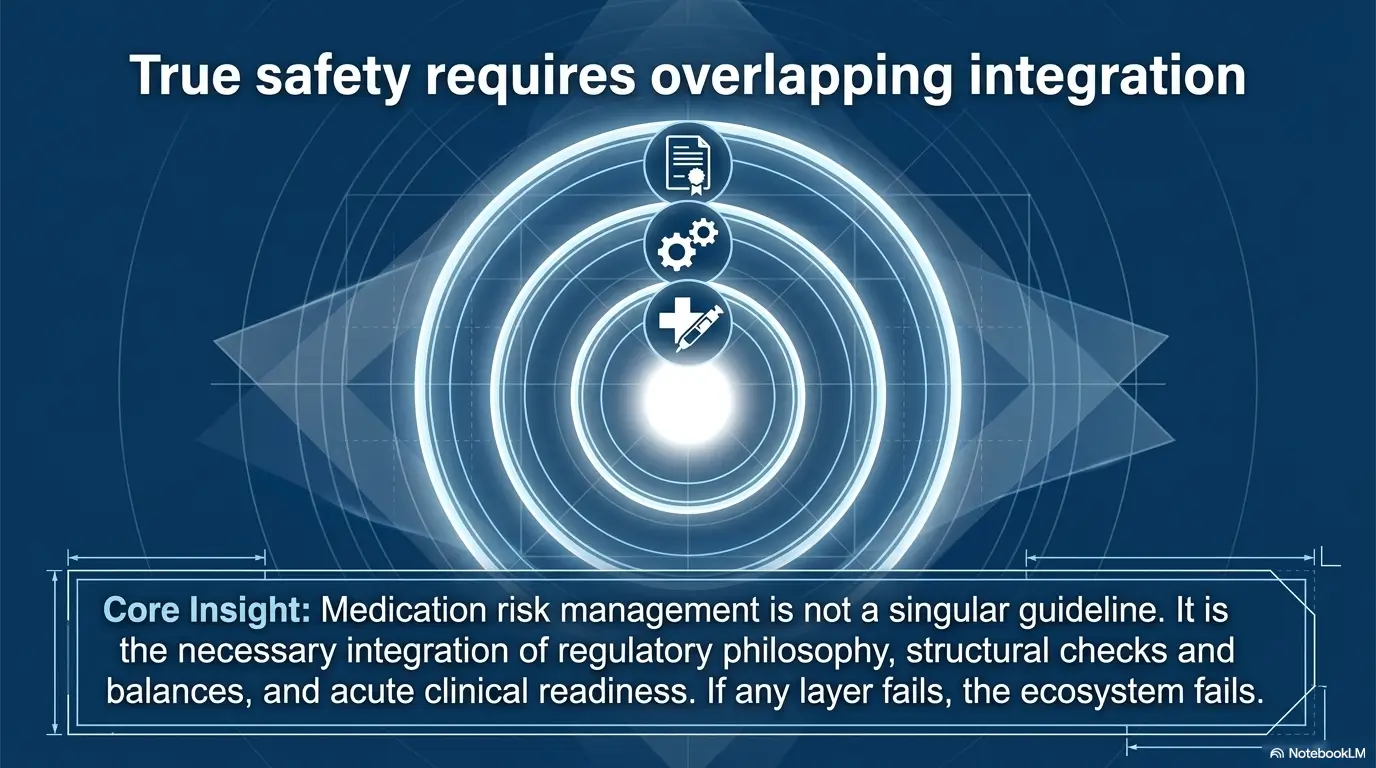
The clinic visit gives you the prescription. The pharmacy visit turns that prescription into real-world medicine. Between those two stops, your job is simple but important: keep the paper, confirm the basics, name your allergies, understand the packet schedule, keep receipts, and ask what should make you seek help.
Within the next 15 minutes, make your Korea Medication Safety Note. Add your current medicines, allergies, and emergency contact. Then add one line in plain English: “Please explain how to take this medicine before I leave.”
That small sentence can turn a strange counter into a safer conversation.
Last reviewed: 2026-05.
Practical example and reader question added October 20, 2026. Existing source dates are retained; this addition is not a fresh verification of every earlier claim.