
Beyond the Invoice: The Invisible Machinery of Korea’s English Kindergartens
In South Korea, some English kindergartens can cost around 1.6 million won a month in Seoul, and yet the real price parents worry about is not always the invoice. It is the fear of being late to a system that seems to reward early positioning and punish hesitation.
That is why the kindergarten English race in Korea is so often misunderstood by Anglo-American readers. From the outside, it can look like status theater or parental excess. From the inside, it often feels more like risk management under pressure: a mix of childcare logistics, social signaling, class anxiety, peer comparison, and genuine concern about a child’s future confidence with English.
Keep reading this trend as simple ambition, and you miss the machinery underneath it. You miss the costs, the trade-offs, and the quiet logic that makes ordinary families do extraordinary-seeming things.
This post helps you read Korean parents’ decisions more accurately, with less stereotype and more social context. You will see why English kindergarten is not just about language exposure, why neighborhood and parent networks matter so much, and how cost, regret prevention, and school readiness get braided together.
“This story is not built from caricature. It is built from incentives, patterns, household math, and the emotional weather parents actually live in.”
Look closer. The brochures are only the surface. The real race starts underneath them.
Table of Contents
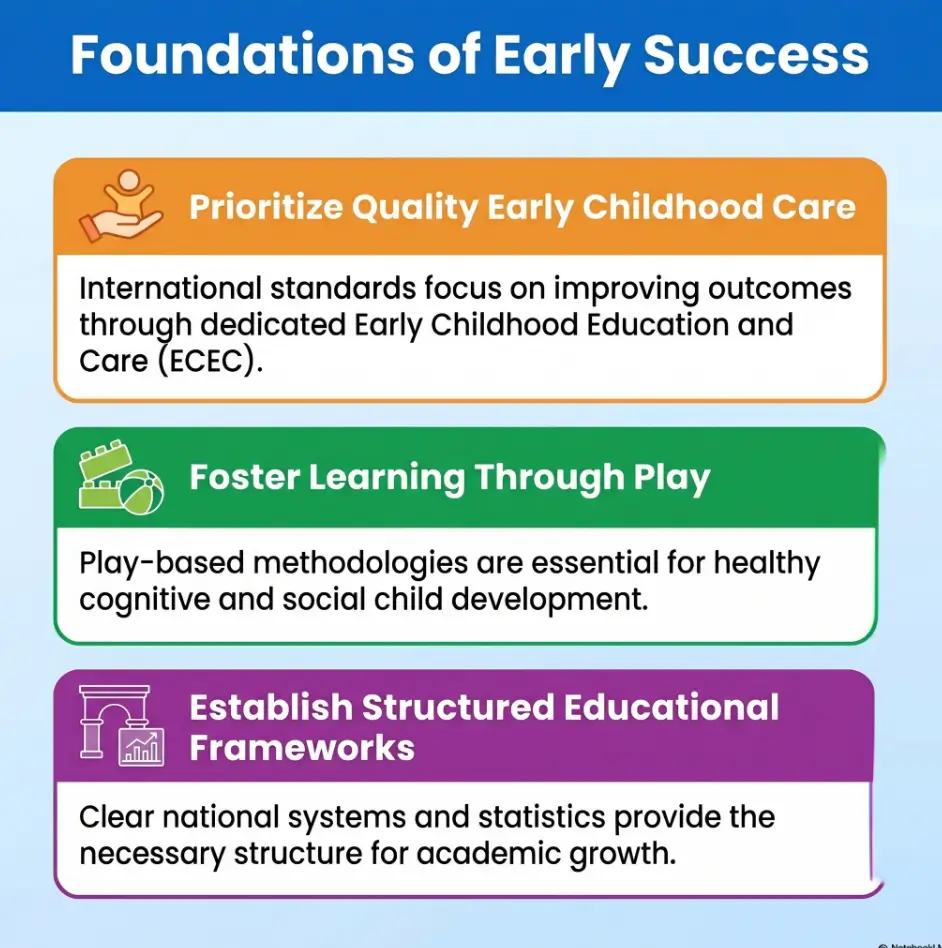
Kindergarten English starts early, but the pressure starts earlier
In Korea, the race often begins before a child can explain what “English” is
One of the easiest mistakes non-Korean readers make is assuming the drama begins at school entry. In reality, the pressure often starts earlier, in conversations about daycare, neighborhood, peer group, and what kind of track a family thinks it is entering. By the time a child is old enough to say a few words in English, adults around that child may already be interpreting every institutional choice as a signal. A preschool brochure becomes a weather report. A school tour becomes a social clue. A parent group chat becomes a low-volume stock market for nerves, not unlike the comparison loops that also shape Korean group chat culture more broadly.
That sounds theatrical, but the mood has structural roots. South Korea’s education system has long trained families to notice timing, sequence, and relative advantage. Even families who dislike the competition can feel tugged into it because the decision is rarely framed as, “Do you want your child to become impressive?” It is framed as, “Do you want to reduce later struggle?” That is a very different emotional engine. One is vanity. The other is prevention.
Parents are not only choosing a program, they are reading the future through it
Many families do not believe kindergarten alone will determine a child’s future. They are not that naïve. What they often believe, however, is that early choices affect later options, confidence, and friction. A child who has seen English before may panic less later. A child who has been in a demanding environment may adjust more easily to future expectations. A family that joins a certain peer group may gain information sooner. Notice how none of those beliefs require fantasy. They only require uncertainty, and uncertainty is where parental over-calculation loves to bloom.
I have watched parents describe these choices with the tone people use for flood barriers. Nobody says, “I dream of over-scheduling my five-year-old.” They say things closer to, “I just don’t want later to be harder than it has to be.” That sentence carries half the system on its back.
The real competition is often less about language and more about positioning
The language itself matters, yes. English still carries prestige, practical value, and symbolic weight in Korea. But the deeper contest is often about positioning: finding the right environment, avoiding the wrong one, and securing a sense that your child is not drifting outside the lanes where options remain open. Korea’s Ministry of Education has recently moved to regulate what are commonly called “English kindergartens,” including curbs on cognitive instruction hours and admission-style testing for very young children, which tells you the issue is no longer seen as a minor parenting fad but as a social pressure point with public consequences.
- Parents are reading signals, not just syllabi
- Timing anxiety starts before formal school begins
- The fear is often future friction, not present bragging rights
Apply in 60 seconds: When analyzing a parent’s choice, ask what future problem they think they are preventing.
This is not just about English, it is about parental risk management
Why English becomes a shorthand for opportunity, class, and readiness
English in Korea is not merely a subject. It is a bundle. It can stand in for confidence, cosmopolitan polish, later academic readiness, class aspiration, and access to better options. That bundling is why the topic gets hot so quickly. If English were only about phonics and vocabulary, families could discuss it calmly over dumplings and move on. Instead, it has become a proxy. Parents are rarely choosing just a language program. They are choosing what kind of future story feels reachable.
This is where outside commentary often goes wrong. It isolates the visible object, English, and misses the emotional cargo attached to it. In many families, “good English exposure” means “less panic in elementary school,” “fewer expensive catch-up efforts later,” or “one fewer thing that makes my child feel smaller than peers.” Again, that does not mean every family is right. It does mean their logic is often more sober than smug.
For many families, the fear is not poor performance, but quiet disadvantage
Quiet disadvantage is the kind that does not announce itself with disaster. It arrives as accumulated inconvenience. Your child does not understand classroom routines as quickly. Other parents already know which after-school path leads where. A teacher assumes prior exposure. Your family feels late to information that others treat as basic. None of these moments looks catastrophic on its own. Together, they can produce a powerful sense of being slightly out of phase with the system.
That fear of slight delay is one reason the debate feels so emotionally expensive. To outsiders, the stakes may seem exaggerated. To insiders, the stakes may feel maddeningly ordinary. It is not always, “Will my child fail?” More often, it is, “Will my child keep paying a small tax for not starting earlier?” Parents will spend a surprising amount of money to avoid a tax that is social, emotional, and cumulative.
What outsiders call “overreaction” can feel like prevention from the inside
There is a familiar scene in competitive cultures: a behavior looks excessive from the curb but practical from the kitchen table. That is much of the kindergarten English race. When people criticize parents for overreacting, they may be underestimating how many decisions in Korea are made under conditions of comparison, compressed timelines, and intense peer awareness. Prevention logic thrives in exactly that climate.
A small but telling example: a family may not even love the school they choose. They may simply distrust the downside of not choosing it. That is a different psychology from aspiration. It is defensive planning. Slightly weary, slightly rational, and often expensive.
Show me the nerdy details
In high-pressure systems, families often optimize against downside risk rather than toward ideal outcomes. That produces choices that look conservative, not joyful. It also explains why the same parent can privately complain about the system while publicly participating in it.
Who this is for, and who it is not for
This is for US readers trying to understand Korean parenting decisions without caricature
If you are a US reader, a teacher, a blogger, a parent married into a Korean family, or simply someone trying to interpret what you have heard about “English kindergartens,” this article is for you. The goal is not to defend every decision Korean parents make. The goal is to make those decisions legible. Culture becomes easier to judge than to understand. Understanding takes longer. It asks more of us. It also usually tells the truth better.
This is for parents, teachers, bloggers, and cultural observers reading the system behind the behavior
You may have encountered the topic through videos, opinion posts, expat anecdotes, or broad claims about tiger parenting. Those accounts are not always false. They are often thin. They reduce complex family behavior to one emotional flavor and stop there. But no living system tastes like one ingredient alone. The kindergarten English race involves childcare needs, workplace schedules, neighborhood norms, educational history, cost tolerance, and parent identity. Reduce it to one motive and the whole picture starts wobbling.
This is not for flattening all Korean families into one stereotype or one motive
Not all Korean parents are pushing early English. Not all who do are affluent. Not all affluent parents choose the same route. Not all children react the same way. The point here is not to replace one stereotype with a fancier stereotype wearing glasses. It is to show variation inside the pattern. Some parents are deeply strategic. Some are nervous improvisers. Some want prestige. Some want insulation. Some simply need longer childcare hours and prefer the version that seems to carry academic upside along with it. The social orchestra is real, but not every family is playing the same instrument.
- Are you trying to understand the system, not merely criticize parents? Yes/No
- Can you hold two ideas at once: pressure is real, and family motives vary? Yes/No
- Are you willing to separate child development from class signaling, at least for a moment? Yes/No
Neutral next step: If you answered “no” to any item, reread the topic through the lens of risk management rather than personality.
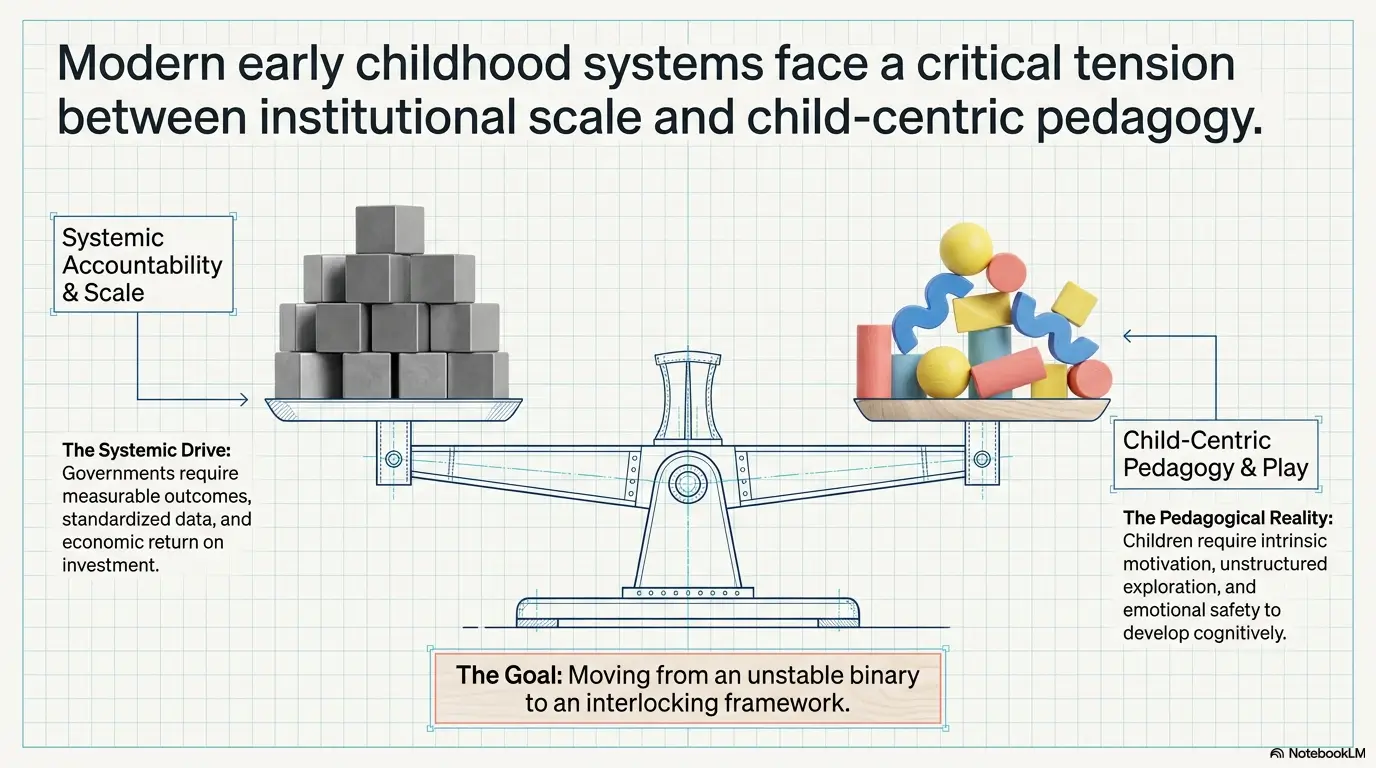
Behind the choice is a social map parents learn to read fast
Other parents, school reputations, and neighborhood norms quietly shape the decision
Parents do not choose in a vacuum. They choose inside a social map, and that map has legends: neighborhoods known for certain schools, schools known for certain parent cultures, parent cultures known for certain downstream expectations. A family may say they are “just visiting a kindergarten,” but they are often also studying a social ecosystem. Which mothers are gathering here? What happens after this program? Does this choice place us inside a faster current than we want, or outside a current we may later regret missing?
In Seoul especially, geography can act like a curriculum. A district is not merely a place to live. It is an information environment. That is one reason coverage of this issue often notes regional gaps. Recent reporting on private education patterns in Seoul found sharp differences in participation and intensity across districts, including especially strong concentrations in southern Seoul. Regional identity itself often shapes expectations in Korea, much as broader Korean city identity shapes how places are read and judged.
Information travels through mom communities, private chats, and comparison loops
One of the most important features of this race is not the schools themselves but the speed of informal information. Parents learn from one another constantly. In person, in apartment complexes, in school parking lots, in online communities, in private chat rooms, through cousins, through older siblings of classmates. Advice spreads in fragments: this school is kinder, that school is stricter, this director changed, that class now feeds into a stronger elementary track, this entrance process has become absurd, that school’s English teacher turnover is worse than last year. Facts and folklore travel together in a single basket.
I have long thought that many education systems are powered less by policy documents than by corridor whispers. Korea may simply be a more efficient version of that universal truth. The whisper arrives sooner. The comparison loop closes faster. The nervous parent has fewer places to hide.
A school choice can become a signal, not just a childcare arrangement
This is where the decision begins to carry symbolic weight. Once a kindergarten choice is read by others as a clue about seriousness, means, or ambition, the school is no longer just a school. It becomes a statement, even when the family did not intend one. That symbolic layer raises the emotional price of opting out. Refusing the race can feel principled, yes. It can also feel socially vulnerable.
And that is the thing about social maps. Even people who hate them still have to walk on them.
Cost enters the room before anyone says elite
Tuition, transport, after-school add-ons, and hidden extras change the calculation
People sometimes discuss English kindergartens as though the cost begins and ends with tuition. That is rarely how families experience it. The bill can sprawl. Tuition, transport, meals, uniforms, materials, events, add-on classes, holiday programs, prep for entry, and later linked tutoring can form a chain rather than a single expense. What matters to parents is often not only whether they can pay the first invoice, but whether they can remain in the ecosystem without constant financial strain.
That strain is not imaginary. Reporting this year has described average monthly fees in Seoul around 1.6 million won for some half-day English kindergarten programs and a national increase in the number of these institutions from 615 in 2019 to 814 in 2025. Other recent coverage highlighted that private education spending remains strongly stratified by income and region.
The financial question is rarely “Can we pay?” alone, but “Can we keep up?”
This distinction matters. Many middle-class families can stretch once. Fewer can stretch continuously without consequences elsewhere. A family may afford the school but resent the pace. Or afford the kindergarten, then feel forced into the after-school chain attached to it because leaving would seem like wasting the original investment. This is how educational spending becomes sticky. The first payment is not just a cost. It is a relationship.
Parents often know this. It is why the decision feels heavy even before the first day. They are not merely buying a year. They are auditioning a lifestyle.
Here’s what no one tells you: the expensive part may be what comes after kindergarten
Sometimes the kindergarten is the gateway expense, not the peak. Once a child is in a more accelerated peer environment, expectations can follow them home. Parents may feel pressure to maintain continuity with additional tutoring, camps, or branded next-step programs. What began as “just exposure” can become a ladder with expensive rungs. Families exploring these routes often end up comparing broader supplementary education paths similar to the choices described in Korean hagwons for foreign families, even when their own household is not foreign.
| Cost area | What families often ask | Why it matters |
|---|---|---|
| Tuition | Can we pay this now? | Visible entry cost |
| Transport and extras | What sneaks onto the monthly bill? | Turns a manageable choice into a chronic expense |
| After-kindergarten path | What comes next if we start? | Determines whether the first year becomes a long runway |
Neutral next step: Price the whole path, not just the brochure.
- Tuition is only the visible part
- Peer environments can create follow-on spending
- Middle-class stress often hides inside “manageable” payments
Apply in 60 seconds: Ask, “What will this choice pressure us to buy next?”
Not all parents are chasing fluency, some are chasing insulation
Many parents do not expect native-level English from kindergarten
A useful correction: many parents are not expecting miracles. They do not believe an English kindergarten will turn a child into a miniature diplomat with perfect pronunciation and a suspiciously strong LinkedIn profile. What they often want is softer and more defensive. Familiarity. Comfort. Reduced fear. A child who hears English without freezing. A child who does not later treat the language as a foreign thunderstorm.
This matters because it changes how we interpret ambition. Some families are not maximizing excellence. They are minimizing shock.
The immediate goal may be confidence, familiarity, and reduced shock later
In educational systems where later competition feels intense, early exposure can function psychologically as padding. The parent may think, perhaps imperfectly, that a child who has already met English in a playful or immersive setting will later meet formal instruction with less dread. Whether that belief always proves true is another question. But as a parent logic, it is coherent.
And coherence matters. The race does not continue because everyone is irrational. It continues because many decisions inside it make partial sense, even when the larger system becomes exhausting.
Early English can function as a buffer against future academic panic
There is also a temporal trade-off hidden here. Some parents knowingly choose more pressure earlier because they believe it prevents greater pressure later. They are moving strain across time, hoping earlier structure buys later ease. The gamble may succeed, fail, or produce mixed results. But again, it is not gibberish. It is scheduling fear.
I once heard a parent describe early English not as a ladder but as “padding on the floor.” That image has stayed with me. Not because it is always right, but because it reveals the emotional grammar of the choice. The floor is assumed hard. The padding is purchased early.
The real divide is often strategy, not devotion
Some parents choose immersion-heavy programs, while others choose gentler exposure
It helps to stop asking, “Do Korean parents care about English?” and start asking, “What kind of English strategy do they believe is worth the trade-off?” The divide is often not between caring and not caring. It is between heavier and lighter approaches. Some families want strong immersion, full routine, lots of exposure, and social alignment with peers on that track. Others want softer contact: a program with more play, shorter hours, less homework, fewer identity stakes.
Both groups may feel anxious. They simply distribute that anxiety differently. One fears being too late. The other fears burning out the child or the household.
Families differ on whether early pressure creates readiness or resentment
Temperament matters here more than prestige brochures admit. One child lights up around songs, routines, and novelty. Another goes rigid under noise, speed, and performance pressure. A school that looks sparkling in a tour can still be wrong for the actual human being who has to wake up and go there every morning. This is one of the saddest little ironies in the whole race: parents often become so good at reading the system that they momentarily stop reading the child.
Let’s be honest: many parents are improvising under pressure, not executing a master plan
From the outside, Korean parenting can look unnervingly choreographed. In reality, much of it is live improvisation in formal shoes. Parents gather partial information, infer what they can, react to peer choices, calculate budget limits, and revise on the fly. The confidence is sometimes real. Often it is stage lighting.
Often chosen when parents prioritize continuity, peer alignment, and earlier adaptation.
Trade-off: Higher cost, more household strain, greater mismatch risk for sensitive children.
Often chosen when parents prioritize emotional fit, play, and lower pressure.
Trade-off: May leave parents worrying about later catch-up or relative disadvantage.
Neutral next step: Match the strategy to the child and household, not the loudest parent in the chat room.
Common mistakes parents make in the kindergarten English race
Mistaking prestige for fit when the child’s temperament says otherwise
Prestige is seductive because it simplifies uncertainty. If a program is famous, selective, or widely envied, parents can outsource part of the decision to the crowd. The crowd becomes a borrowed spine. But prestige is a poor substitute for fit. A school may be adored by parents and disliked by the child who actually inhabits the routine. There is no educational theorem stating that an admired environment is therefore a humane one for every temperament.
Confusing early output with long-term language strength
Another common mistake is overvaluing what is visible now. A child who can sing English songs, say rehearsed phrases, or perform well in a short interaction may look “ahead.” But early output is not the same as durable language strength. Families can end up paying heavily for a performance of progress rather than the conditions that support long-term comfort and learning.
Overvaluing what sounds impressive in parent conversations
Parent communities have their own prestige dialect. Full immersion. Native teacher ratio. Entrance difficulty. Academic rigor. Overseas-style environment. These phrases are not meaningless, but they can distort priorities. A household can become loyal to a vocabulary before it asks whether daily life has become more brittle, rushed, and emotionally expensive.
Ignoring family stress, schedule strain, and emotional spillover at home
The hidden curriculum of the kindergarten race is often household mood. More commuting. More coordinating. More paying. More comparing. More low-grade tension leaking into dinner. The child is not learning only English. The child is also learning what mornings feel like, what adults sound like under strain, and whether education arrives as curiosity or as weather warning.
Quote-prep list before judging a school choice:
- What is the child’s actual temperament in structured settings?
- What happens to the family schedule if this choice is made?
- What follow-on costs are likely within 12 months?
- What fear is driving the decision most strongly?
Neutral next step: Get honest about the cost that does not appear on the invoice.
Do not read every English kindergarten choice as educational arrogance
Some decisions come from fear, not pride
There is a difference between display and defense. Some families absolutely do use educational choices as status theater. Human beings are, regrettably, very talented at turning anxiety into décor. But many other parents are operating from fear: fear of later regret, fear of lacking information, fear that public schooling will not supply enough support, fear of being the family that moved too slowly. A fearful decision can still be flawed, but it should not be misread as pure vanity by default.
Some parents are trying to avoid regret more than trying to display status
Regret is a brutally efficient motivator in parenting. It arrives early and invoices late. Families may choose the more demanding path not because they are convinced it is ideal, but because they dread the future sentence, “We should have started sooner.” That sentence has enormous market power. Entire educational industries grow in the warm greenhouse of anticipated regret.
What can look pushy in public may feel fragile in private
Publicly, a parent may sound confident: “We chose this program because it is better.” Privately, the inner monologue may be far shakier: “I hope this is not a mistake.” Many of the most forceful parenting decisions are, underneath, stitched together from private uncertainty. That does not excuse overpressure. It does explain why judgment alone often misses the human texture of what is happening.
Relief, because the place seemed competent and orderly. Grief, because she could already feel the life around it narrowing into routes, fees, expectations, and comparison. On the train home she did not ask, “Is this school the best?” She asked, “What happens if everyone else is right about this and I am the only one who waits?” That question, more than any brochure, explains the race. It is not glamorous. It is a parent trying to buy down uncertainty with the currency available: time, money, and a child’s schedule.
Children are not the only ones being tested here
Parents are also evaluated through their decisions, routines, and perceived seriousness
One reason this topic feels so socially loaded is that parents themselves are under observation. Their choices are read as clues about competence, seriousness, knowledge, sacrifice, and class position. Did they research enough? Are they organized? Are they late? Are they too soft? Too intense? Too casual? In environments where child outcomes are treated as reflections of adult diligence, the kindergarten search becomes a test of the parent’s own navigational skill.
Family identity can become tangled with school choice faster than expected
Once a family spends serious money and emotional effort on a school, identity can fuse with the choice. This is why debates around English kindergartens become strangely heated. Parents are not only arguing about pedagogy. They may be defending their own judgment, sacrifice, and self-concept. To question the school can feel, to them, like questioning whether they are the kind of parent who noticed danger in time.
The kindergarten search often measures the parent’s social navigation as much as the child’s readiness
Notice the hidden skill set involved: collecting information, interpreting status cues, budgeting under uncertainty, choosing between conflicting testimonies, managing household logistics, and absorbing social comparison without letting it fully melt your brain. That is a lot. The child may be learning colors and songs. The parent is learning how to operate in a semi-opaque social market with very high emotional noise. Even everyday language habits in Korea can carry similar layers of social navigation, as seen in the nuances of Korean texting formality and Korean indirect communication.
Perhaps that is why the subject produces so much moral heat. People assume they are watching a child-development question when, very often, they are also watching an adult identity drama in loafers.
“Will my child fall behind later?”
“What are other parents choosing?”
“What options stay open if we start now?”
“Can we afford the path after the path?”
What the English race can cost when nobody names the trade-offs
More structure can mean less rest, less play, and less family ease
Every organized advantage extracts payment from somewhere. Sometimes the payment is money. Sometimes it is unstructured time, sibling ease, slower mornings, or simple household softness. One of the quieter losses in competitive child systems is the disappearance of breathable hours. Children can absorb this in ways adults underestimate. So can adults. A family can look highly functional from outside and feel permanently winded from within.
Pressure accumulates when comparison becomes the household background music
Comparison is not always loud. Often it hums. It hums in parent chats, in school events, in small comments about who is doing what next year, in stories about entrance tests for children still short enough to lose socks in the sofa. Recent reporting on early English education in Korea has even described public concern over toddler testing and the so-called “7-year-old exam,” which shows just how far comparison can reach downward when a market overheats. That broader demographic unease also sits beside the social backdrop explored in Korea’s low birth rate effects, where fewer children can make each child’s trajectory feel even more symbolically charged.
The hidden question is not “Is this good?” but “Good at what cost?”
This is the question I wish appeared on every school brochure in very large, impolite letters. Good at what cost? Good for whom? Good in which time frame? Good under which assumptions about the child, the family budget, the commute, the parent’s stamina, and the emotional tone of the household? A choice can be impressive and still be too costly. A choice can be moderate and still be wise. Competitive systems make moderation look underdressed. That does not mean moderation is wrong.
If a family spends monthly tuition + transport + one add-on class, the better question is not “What is the monthly bill?” but “What is the 12-month bill, and what other household ease disappears with it?”
Neutral next step: Write down three costs, one financial and two non-financial, before calling any option “worth it.”
- Rest and family ease are real costs
- Comparison can become the emotional wallpaper
- A good school may still be the wrong household decision
Apply in 60 seconds: Add one non-financial line item to your decision notes: sleep, calm, commute, or child mood.
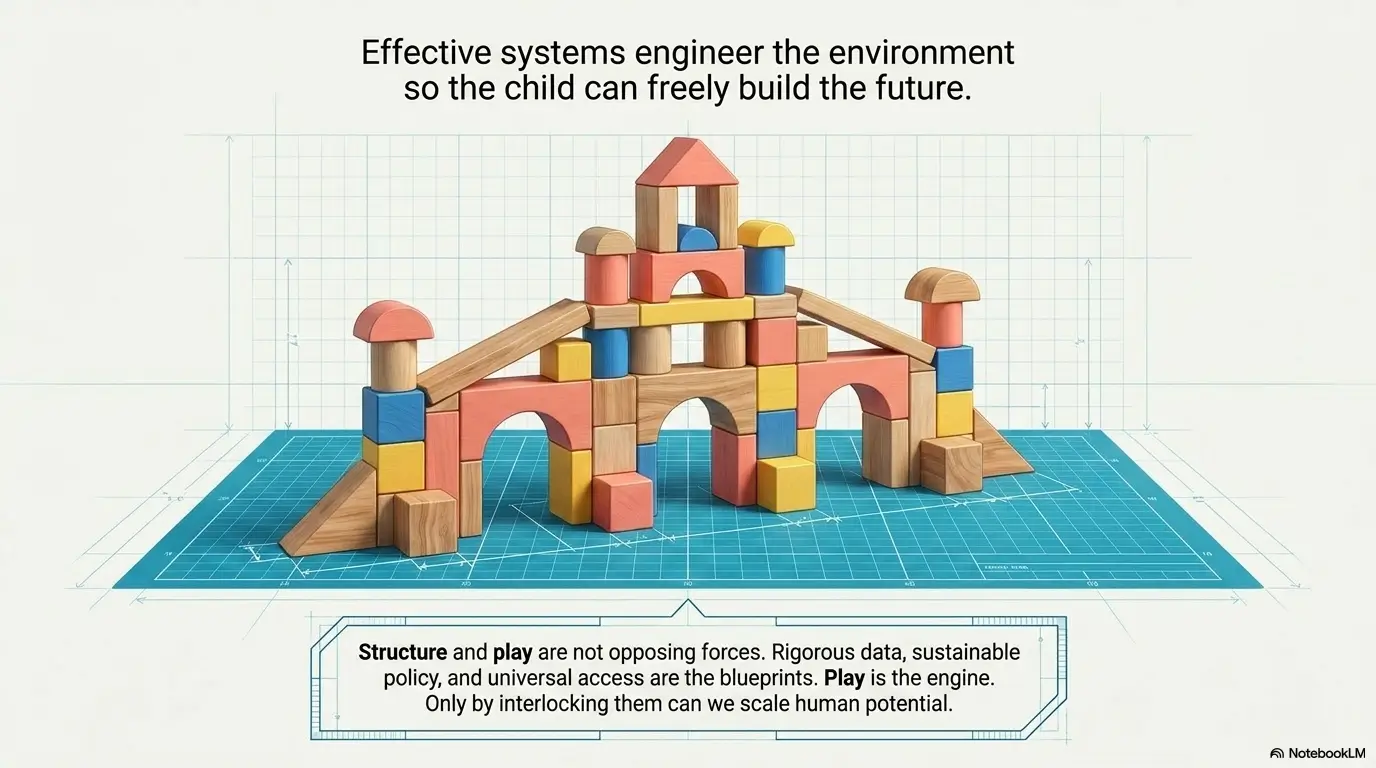
Next step: understand the system before judging the parent
Start by separating language learning from status anxiety, childcare logistics, and long-term fear
The cleanest way to understand this topic is to separate the braided strands. One strand is language learning. Another is social signaling. Another is childcare practicality. Another is parental fear about later competition. Another is household identity. When all those strands are mashed together, every family looks either ridiculous or heroic. Real life is more stubborn than that. Most families are neither. They are strategic in some moments, reactive in others, and tired more often than they admit.
Look at the incentives around the family, not just the family itself
This may be the central principle. When behavior looks extreme, inspect the incentives before diagnosing the people. Korea’s education culture did not become intense because millions of parents independently woke up one morning and chose melodrama. It became intense through institutions, labor markets, prestige hierarchies, peer signaling, and a long social habit of treating educational timing as consequential. Parents then adapted to that weather, elegantly or awkwardly.
The clearest next move is to ask what problem the parent thinks they are solving
That question opens the door. What problem do they think they are solving? Future disadvantage? Confidence? Childcare? Peer alignment? Information access? Regret? Once you ask that, the cartoon version of the parent starts to crumble. In its place appears a more human figure: sometimes too anxious, sometimes too strategic, sometimes too swept along, but usually more understandable than the stereotype allows.
The hook we opened with was the quiet kind of fear that tidies spreadsheets. Here is the close of that loop: the spreadsheet is not always evidence of obsession. Sometimes it is evidence of living inside a system where uncertainty has become expensive, and parents are trying, in the limited language available to them, to make uncertainty smaller. The same tension between formal rules and lived social feeling appears in many other parts of daily life, from Korean politeness to the unspoken choreography of Korean school uniform culture and adolescent belonging.
FAQ
Why do some Korean parents care so much about kindergarten English?
Because English is often read as more than a language. It can symbolize readiness, confidence, later academic ease, and social opportunity. Parents may see early English as a way to reduce future struggle rather than as a luxury add-on.
Are all Korean families pushing children into English this early?
No. Family strategies vary widely by income, neighborhood, educational philosophy, work schedule, and child temperament. Some families push early. Others avoid it. Many sit uneasily in the middle, unsure but responsive to pressure.
Is English kindergarten really necessary for later academic success in Korea?
No single kindergarten is a guaranteed ticket to later success. What matters more is the broader chain of support, the child’s temperament, the family’s sustainability, and how pressure is managed over time. Families often act as though a choice is decisive because uncertainty feels costly, not because the evidence is perfectly clear.
How much of this is about status versus genuine educational concern?
Usually both are present in varying proportions. In some cases status is strong. In others the concern is more defensive and practical. The better question is not “status or sincerity?” but “which motive is doing most of the driving in this family?”
Do children benefit from early English exposure, or can it backfire?
Both are possible. Some children enjoy the exposure and gain comfort. Others experience fatigue, resistance, or household stress spillover. The outcome depends on fit, intensity, support, and whether the environment matches the child rather than the parent’s fear alone.
Why do parents feel pressured even when they are unsure about the system?
Because uncertainty itself creates pressure. When peer choices are visible, information moves fast, and later disadvantage feels plausible, even uncertain parents may feel compelled to act. Many are not convinced. They are unconvinced in a hurry.
Is this trend stronger in certain neighborhoods or income groups?
Yes, patterns of private education spending and participation vary sharply by region and income, with Seoul and higher-income households often showing stronger intensity in recent reporting.
How should non-Korean readers interpret this without stereotyping Korean parents?
By looking at incentives, trade-offs, and variation. Avoid treating one visible pattern as a national personality trait. See the behavior as a response to a particular social and educational environment, then examine how different families adapt differently within it.
- Tier 1: Simple language exposure
- Tier 2: Confidence and familiarity
- Tier 3: Peer alignment and school signaling
- Tier 4: Regret prevention and future positioning
- Tier 5: Full family identity and class strategy
Neutral next step: Decide which tier best explains the family you are observing before making moral claims about them.
Within the next 15 minutes, the best next step is simple: take one family decision you have judged quickly, and rewrite it as a problem-solving attempt. What were they trying to prevent? What were they trying to preserve? That small exercise changes the whole temperature of the conversation. It does not require agreement. It requires accuracy. And accuracy, unlike stereotype, is still a decent place to begin.
Last reviewed: 2026-04.