The Evolution of Intentional Grooming
A man can own five black hoodies, one “good” jacket, and a bathroom shelf that looks like it was packed during a fire drill. Then he watches a Korean actor walk through a subway scene with controlled hair, clear skin, tidy brows, and the eerie calm of someone who has never lost a lip balm in his life.
That is where the comparison begins. How Korean men’s grooming culture differs from Western basic grooming norms is not just about serums, K-pop, or whether a guy owns a hair dryer. It is about daily presentation, social expectations, skincare routines, masculine identity, and the quiet idea that looking intentional is normal maintenance.
Guessing can get expensive. Copying blindly can irritate skin, flatten hair, or make a perfectly normal man look like he is cosplaying someone else’s mirror.
So let’s make it useful. Not precious. Not judgmental. Just practical.
- ✓ See the cultural difference without turning Korea into a trend board.
- ✓ Build a simple Korean-inspired grooming routine without buying ten products.
- ✓ Avoid the common mistakes Western men make when chasing “polished.”
- ✓ Understand why skin, hair, brows, sunscreen, and proportion all work together.
The Grooming Map: Clean Is Not the Same as Considered
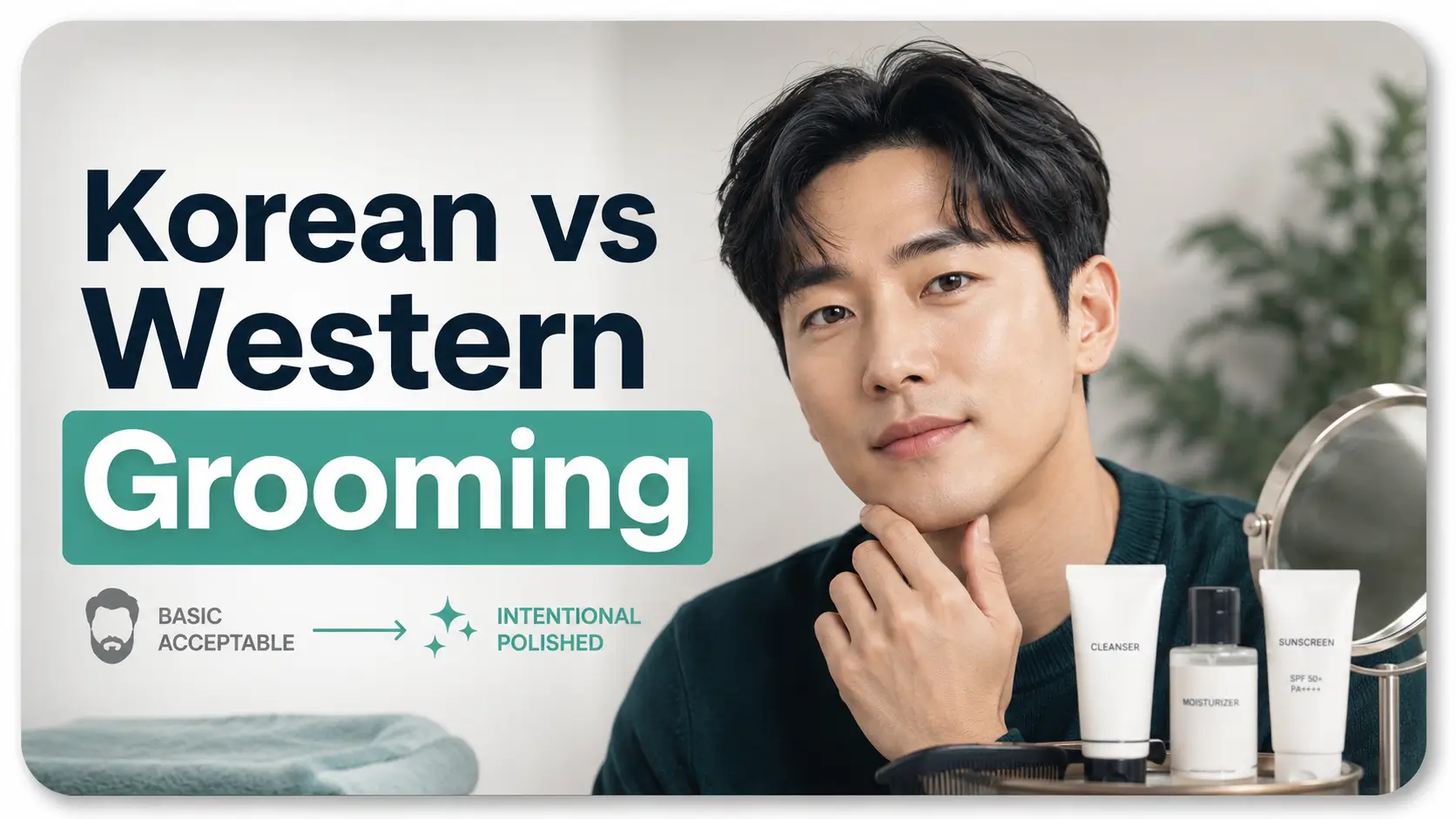
Western “basic grooming” often asks, “Do I look acceptable?” Korean men’s grooming often asks, “Does my whole presentation look cared for?” That small difference changes everything: sunscreen becomes daily protection, hair becomes structure, brows become framing, and skincare becomes prevention rather than emergency repair.
Table of Contents
The Real Split: Grooming as Maintenance vs Grooming as “Extra”
The biggest cultural difference is not the number of products. It is the emotional status of effort.
In many Western settings, especially among men raised on the “shower, shave, deodorant, done” model, grooming beyond hygiene can feel like performance. A moisturizer gets tolerated. A toner becomes suspicious. A brow trim may be treated as though someone filed paperwork with the Ministry of Vanity.
Some Korean grooming markets and social settings make skin care, hair styling and visible neatness more prominent than a visitor expects. Practices differ by age, workplace, budget, skin needs and personal preference within Korea and within Western countries. This guide explores a style and market pattern, not a universal baseline for men or a representative national comparison.
Why Korean grooming starts before there is a visible problem
Korean grooming is often preventive. You do not wait until your skin flakes under office lighting, your hair collapses in humidity, or your face looks tired in every photo. You build small habits before those things become the headline.
That prevention mindset shows up in sunscreen use, hydrating products, regular haircuts, sheet masks before important events, and the quiet ritual of checking the face before leaving home. It is the same logic behind keeping shoes clean before they are embarrassing.
This connects with broader Korean social habits around presentation. The same culture that may care about respectful appearance in Korean business etiquette or structured public behavior can also treat grooming as part of showing up properly.
Why Western basic grooming often waits until something looks wrong
Western basic grooming norms are often corrective. Dry skin? Buy lotion. Breakout? Panic-purchase a harsh cleanser. Bad hair day? Hat. Brows growing into neighboring counties? Pretend the lighting is bad.
This approach is not morally worse. It is efficient, inexpensive, and emotionally low-maintenance. Plenty of men look great with a simple routine. The problem appears when “basic” becomes “neglected but defended with confidence.”
A minimal routine works when it is deliberate. It fails when it is just avoidance wearing a clean T-shirt.
The quiet cultural gap: “polished” versus “acceptable”
Western grooming often aims for acceptable. Korean grooming often aims for polished.
Acceptable means clean teeth, no smell, decent haircut, clothes that are not visibly losing a legal dispute with gravity. Polished means the parts work together: hair shape, skin texture, lip dryness, brows, neckline, fragrance, and clothing silhouette.
- Prevention beats last-minute repair.
- Polished does not have to mean dramatic.
- A simple routine can still be intentional.
Apply in 60 seconds: Look at your current routine and mark which steps prevent problems versus only fix them after they show up.
Skin Comes First: The Korean Routine Western Men Often Skip
For many Western men, skincare is still a side quest. For many Korean men, it is closer to the main road.
The Korean approach usually starts with the face because skin is the canvas everything else sits on. Hair can be perfect, clothes can be sharp, and fragrance can whisper expensive things into the air, but irritated, flaky, sun-stressed skin will still pull attention.
This does not mean every Korean man performs a cinematic 10-step routine under moonlight. Most real routines are simpler. The cultural difference is that cleanser, moisturizer, and sunscreen are not automatically coded as feminine or excessive.
Cleanser, toner, moisturizer, sunscreen: the ordinary stack
A beginner Korean-inspired routine can be brutally simple:
- Gentle cleanser at night.
- Moisturizer after cleansing.
- Sunscreen in the morning.
- Optional toner or essence if skin feels dry or tight.
That is not a shrine. It is a sink-side sandwich.
Korean skincare often separates tasks. Cleansing removes sweat, oil, and sunscreen. Hydration helps comfort the skin. Moisturizer supports the skin barrier. Sunscreen helps reduce UV damage. Each step has a job.
If your face feels tight after washing, your cleanser may be too harsh. If your skin gets shiny but dehydrated, you may need lighter layers rather than zero moisturizer. If shaving causes redness, the issue may be technique, blade condition, aftercare, or all of the above.
Why SPF is not treated as optional decoration
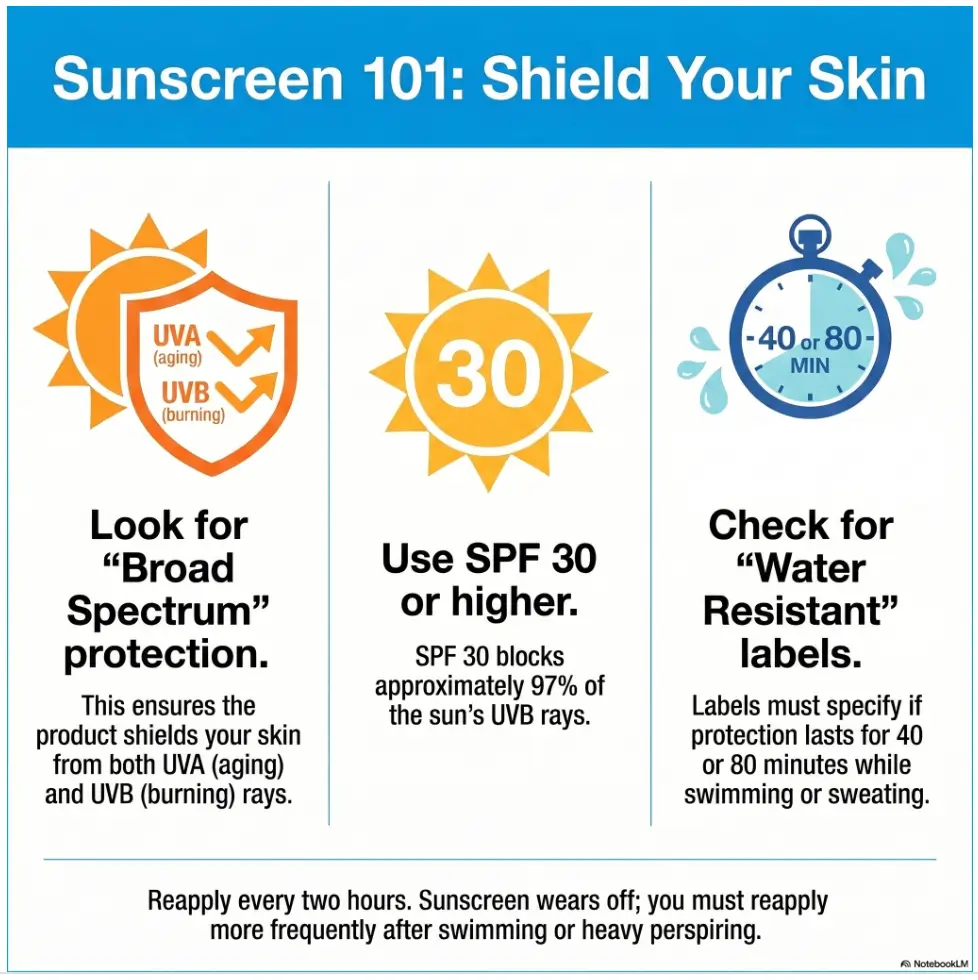
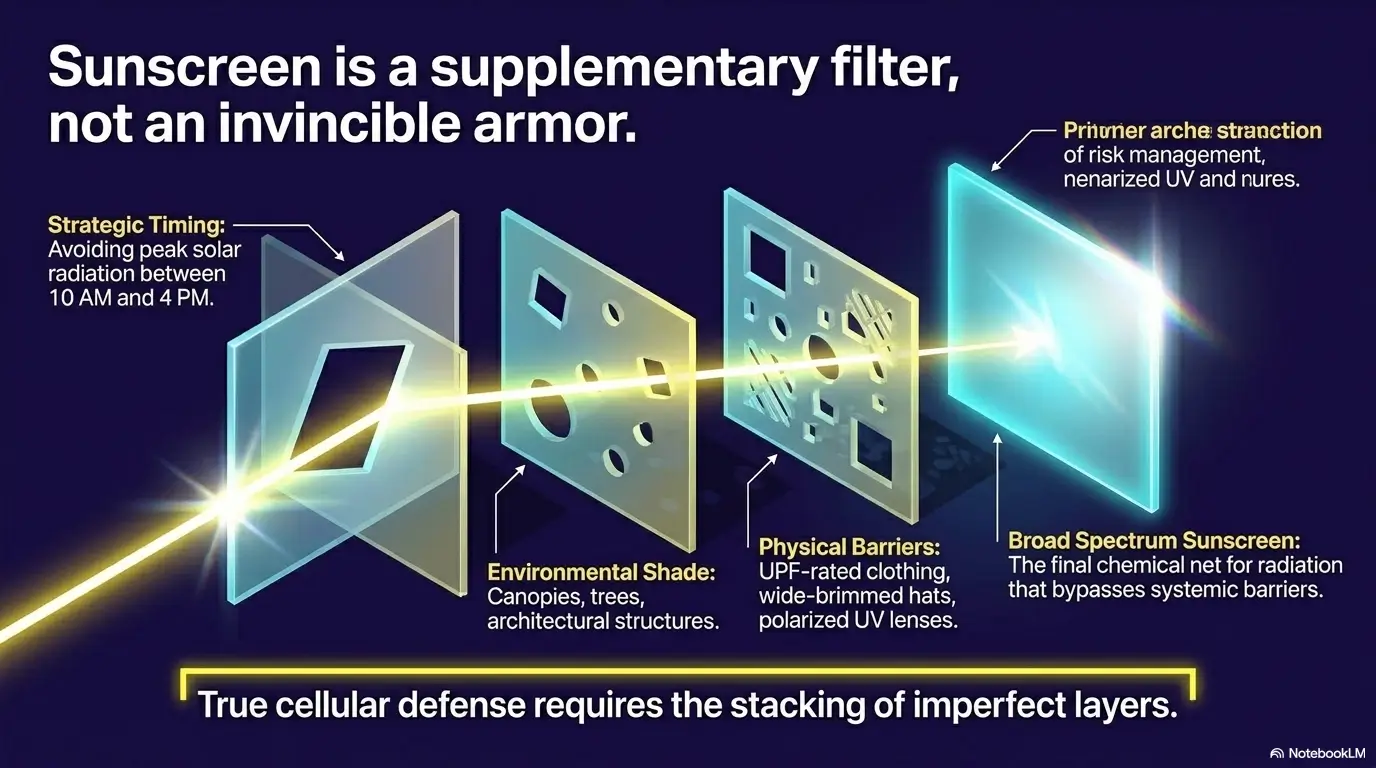
Sunscreen is one of the clearest differences. In Korean grooming, SPF is often part of appearance and prevention. In many Western men’s routines, sunscreen appears only during beaches, golf, outdoor work, or the annual “I am now a lobster” ceremony.
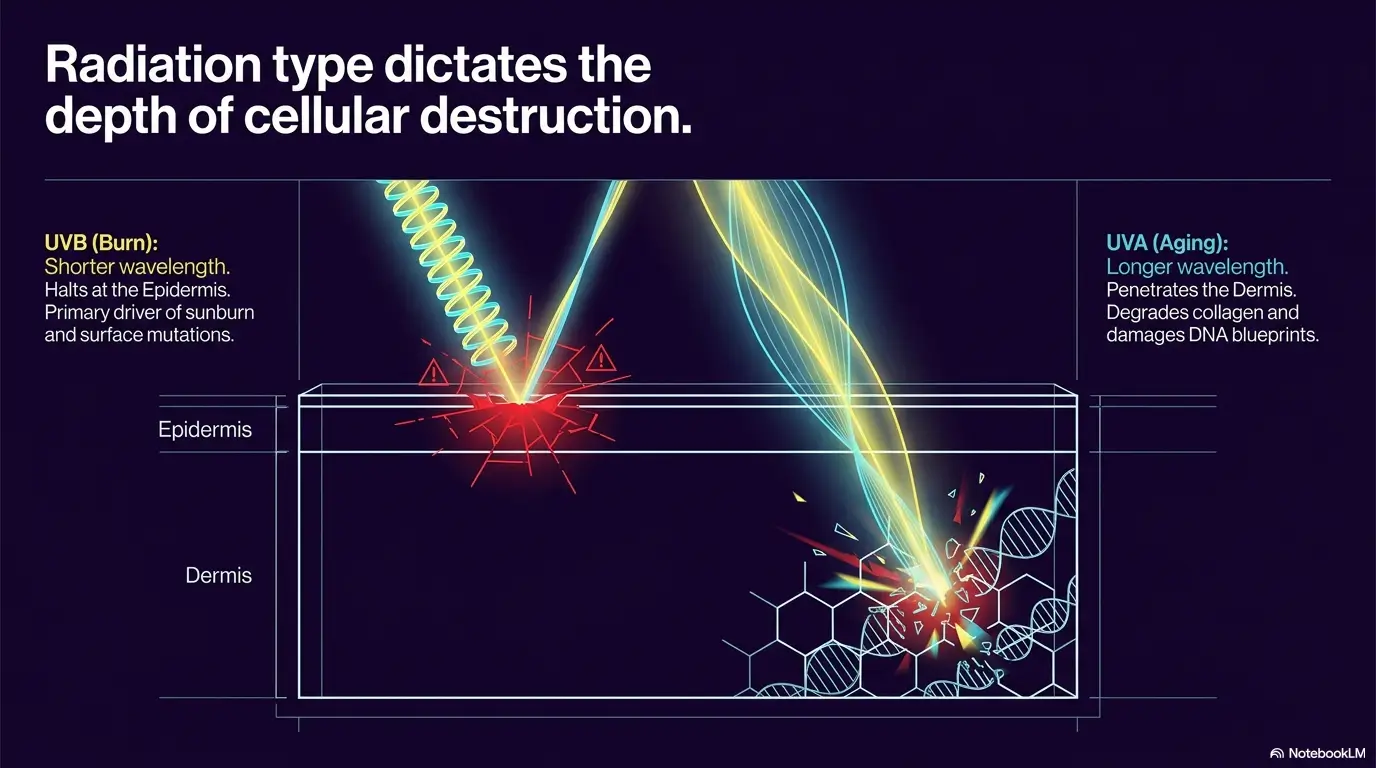
The American Academy of Dermatology recommends broad-spectrum sunscreen with SPF 30 or higher for exposed skin, along with other sun-protective habits. That advice is not about vanity. It is about reducing UV exposure, premature skin aging, and skin cancer risk.
Here’s what no one tells you: skin texture is part of the outfit
Texture changes the way a face reads. Not perfection. Texture.
Dry patches can make a man look more tired than he feels. A shiny T-zone can make him look hot, rushed, or nervous. Chapped lips can quietly defeat a good haircut. Korean grooming notices these small signals because public presentation is read in layers.
Think of it like Korean resume photo culture, where presentation can carry social meaning beyond the literal image. The face is not just biology. It is also information.
Money Block: Beginner Routine Eligibility Checklist
Use this yes/no check before buying anything new.
- Do you cleanse your face at night? If no, start there.
- Does your skin feel tight after washing? If yes, switch to a gentler cleanser.
- Do you moisturize after shaving or showering? If no, add a basic fragrance-free moisturizer.
- Do you wear SPF most mornings? If no, choose one sunscreen you will actually use.
- Do products sting or burn often? If yes, simplify and consider a dermatologist if irritation persists.
Neutral action line: Start with the first “no,” not the most expensive product.
Hair Is Architecture: Why Korean Styling Looks More Intentional
Korean men’s hairstyles often look controlled because the haircut is only the foundation. The real result comes from shape, drying, product, texture, and maintenance.
Western men may ask for a haircut and expect the cut to do all the labor. Korean styling is more likely to treat the hair as architecture. The cut creates the blueprint. The blow-dry adds structure. Product locks in the roof before the afternoon wind starts filing complaints.
The haircut is only half the result
A Korean two-block cut, soft fringe, comma hair, layered style, or parted look rarely works by haircut alone. It needs direction.
That direction may come from a round brush, a hair dryer, a light wax, a texture spray, or a perm. In Korea, men’s perms are common enough that they do not always carry the same dramatic meaning they might in some Western circles. A soft perm can create bend, volume, and control so styling takes less effort each morning.
This fits a longer hair tradition too. If you are curious about cultural hair history beyond modern styling, Korean hair history and Korean hairstyles shows how hair has long carried meaning in Korean life.
Volume, fringe, parting, and face shape: the hidden system
Intentional Korean styling often plays with proportion.
- Fringe can soften a longer forehead.
- Volume can lengthen a rounder face.
- A center part can create symmetry, but it can also expose weak density.
- Side volume can widen the face if it is not controlled.
- A textured top can make fine hair appear fuller.
The hidden system is not “copy the idol.” It is “make the face read better.”
The “I woke up like this” trap Western men fall into
Effortless hair often contains effort. It is the great grooming paradox, a tiny opera performed with a hair dryer.
Western men sometimes chase messy hair without building shape first. The result is not relaxed. It is gravitationally unresolved. Korean styling often creates a base structure, then softens it so it looks natural.
The Five-Part Presentation Stack
Clean, moisturized, protected with SPF.
Cut, dried, shaped, lightly held.
Trimmed enough to frame the face.
Lips, nails, neckline, fragrance.
Clothes support the face, not fight it.
Plain-English rule: Korean-inspired grooming works best when the parts agree with each other.
Face Shape Matters: Korean Grooming Works With Proportion
Korean grooming often pays close attention to proportion. This is why a look can appear subtle but still feel very finished.
A face is not only skin. It is lines, shadows, frames, softness, edges, and balance. Korean men’s grooming tends to notice those quiet geometry problems: the brow that drags the eyes down, the haircut that widens the cheeks, the dry lips that make the whole face look neglected.
Brows, bangs, lenses, and jawline framing
Brows are a major difference. In many Western male routines, brows receive attention only after they stage a small forest uprising. Korean grooming is more likely to treat brows as face framing.
This does not mean sharply sculpted brows for everyone. It may mean removing stray hairs, trimming length, softening the center, or keeping the natural shape cleaner.
Hair also frames the jaw and forehead. Bangs can reduce visual length. A side part can sharpen or soften. Glasses can add structure. Even the neckline matters because a fuzzy neck can make a fresh haircut look older than it is.
Why “clean” does not always mean “bare”
Western grooming sometimes equates clean with bare: clean-shaven face, short hair, minimal product, no visible cosmetics. Korean grooming often allows “clean” to include soft coverage, styled hair, shaped brows, and moisturized skin.
That is a different definition. Bare can be clean. But bare is not automatically better.
Sometimes a tiny adjustment creates a calmer face. A brow trim. A lighter moisturizer. A hairstyle that lifts instead of collapses. A sunscreen that does not leave a chalky cast. These details do not scream. They hum.
Pattern interrupt: your barber may not be your whole grooming plan
A barber can cut hair. A barber cannot fix a cleanser that strips your skin, a sunscreen you hate, a brow shape that pulls attention, or a shaving habit that leaves your neck angry.
The modern grooming plan is not one chair. It is a small ecosystem.
Money Block: Face-Shape Decision Card
| If your face reads… | Try… | Avoid starting with… |
|---|---|---|
| Round or soft | More top volume, cleaner sides | Heavy side puff |
| Long or narrow | Soft fringe, balanced width | Extreme height |
| Tired around eyes | Brow cleanup, hydration, sleep check | Heavy concealer first |
| Uneven skin tone | SPF, moisturizer, optional tinted sunscreen | Strong actives all at once |
Neutral action line: Change one framing element at a time so you can see what actually helped.
The Makeup Question: Why Korea Treats Subtle Coverage Differently
For many Western men, the word “makeup” still arrives wearing a theatrical cape. In Korea, the category can be quieter.
Some Korean men use tinted sunscreen, tone-up cream, concealer, brow products, lip balm, or cushion foundation. Many do not. The cultural difference is that subtle cosmetic support is more visible in the market and less automatically shocking in certain urban, media, beauty, or youth settings.
The key word is subtle. The goal is often not transformation. It is correction: less redness, less dullness, more even tone, cleaner brows, healthier-looking lips.
Tinted sunscreen, tone-up cream, and concealer without drama
A tinted sunscreen can combine UV protection with light evening of tone. A tone-up cream can brighten the face, though some can look gray or pale on deeper skin tones. A concealer can reduce the look of a blemish before a date, interview, photo, or presentation.
Used well, these products are nearly invisible. Used badly, they announce themselves in the elevator.
The practical rule: match your skin, apply lightly, check in daylight, and stop before your face and neck begin separate careers.
Why “natural” can still require effort
Natural-looking grooming often takes technique. Hair that looks casually parted may have been blow-dried. Skin that looks bare may have sunscreen and moisturizer. Brows that look untouched may have been trimmed. A face that looks rested may simply have fewer distractions.
This is not deception. It is maintenance with a softer voice.
Don’t confuse invisible grooming with no grooming
One reason Korean men’s grooming feels confusing to some Western readers is that the results can look invisible. The man does not appear “made up.” He appears clear, neat, rested, and intentional.
That invisibility is the point. Good grooming should not always enter the room before you do.
Show me the nerdy details
Subtle grooming works because human faces are read through contrast and pattern. Redness, dry patches, uneven shine, stray brow hairs, and collapsed hair shape create visual noise. Korean-inspired routines often reduce that noise through small separable steps: gentle cleansing, barrier support, UV protection, light texture control, and proportion-aware styling. The method is less about chasing flawlessness and more about lowering the number of distractions competing with the face.
Masculinity Codes: Why Western “Basic” Often Means “Don’t Look Like You Tried”
Grooming is never just grooming. It carries rules about gender, effort, class, age, dating, professionalism, and belonging.
In many Western male spaces, looking like you tried too hard can be risky. The old code says: be clean, but not curated. Smell good, but not fragrant. Have hair, but do not obviously style it. Own moisturizer, but store it like contraband.
Korean masculinity has its own pressures and contradictions, but polished male presentation has been far more publicly visible through entertainment, retail, street style, and everyday urban life.
The old Western rulebook: shower, shave, deodorant, done
The Western basic rulebook is efficient. It values practicality. It resists fuss. At its best, it protects men from expensive insecurity loops.
At its worst, it turns neglect into identity.
A man may avoid sunscreen because it feels like skincare. He may avoid moisturizer because his father never used it. He may avoid brow trimming because he thinks the only options are “wolf prophet” or “surprised wax statue.” There is a middle path. It has a small comb.
Korean soft masculinity and the polished public self
Korean media helped global audiences see different masculine aesthetics: soft hair, clear skin, elegant styling, expressive fashion, and emotional polish. K-dramas and K-pop did not create all of this, but they amplified it for international viewers.
That visibility connects with wider Korean social expectations around hierarchy, public behavior, and presentation. Just as Korean titles versus first names can reveal social distance and respect, grooming can also signal awareness of context.
The open loop: when effort becomes attractive instead of suspicious
Here is the twist: effort is not the enemy. Poorly aimed effort is.
When grooming looks forced, it can feel distracting. When it looks integrated, it reads as care. The goal is not to look like you spent an hour negotiating with a serum army. The goal is to look as though you know where your face begins and your habits end.
- Western norms can punish men for looking too intentional.
- Korean grooming often makes polish feel ordinary.
- The best routine respects your actual life, not a fantasy version of your bathroom.
Apply in 60 seconds: Choose one grooming habit you have avoided only because it feels “too much,” then test the smallest version of it.
Who This Is For / Not For
This topic can easily become silly if handled like a shopping list. Korean men are not one grooming species. Western men are not all soap-and-denim cave paintings. Real people vary by age, region, job, income, skin type, sexuality, media exposure, and personal taste.
So let’s place the guardrails.
For men who want to look sharper without looking “overdone”
This is for the man who wants to look healthier, cleaner, more awake, and more considered without turning his morning into a product tribunal.
Maybe he works in an office. Maybe he dates. Maybe he is tired of looking exhausted in photos. Maybe he has realized that a better haircut alone cannot carry a face that has not met moisturizer since 2019.
For Western readers trying to understand K-beauty without copying blindly
K-beauty can be useful, but copying without context gets messy. A product designed for one skin type, climate, or beauty preference may not suit another person.
For example, a tone-up product popular in Korea may look elegant on some skin tones and chalky on others. A soft fringe may suit one hair density and collapse on another. A dewy finish may look healthy in one setting and sweaty in a humid subway station.
Not for anyone chasing one rigid beauty standard
Korean grooming culture can be inspiring, but it also carries pressures: clear skin, slim faces, youthfulness, conformity, and intense visual self-monitoring. Those pressures deserve honesty.
The useful lesson is not “look Korean.” It is “treat grooming as a system.”
For broader cultural context, Korean male friendships can help explain how male closeness, social norms, and public behavior may differ from common Anglo-American assumptions.
Common Mistakes Western Men Make When Copying Korean Grooming
The fastest way to ruin a good grooming idea is to sprint into it carrying a basket full of products and no plan.
Korean-inspired grooming is not about maximum steps. It is about better sequence.
Mistake 1: Buying ten products before fixing sleep, shaving, and sunscreen
If your sleep is poor, your razor is dull, your cleanser is harsh, and you never wear sunscreen, a luxury essence will not perform a resurrection.
Start with the boring foundations. Boring foundations are underrated. They are the brown rice of grooming: not glamorous, but they keep the structure alive.
Mistake 2: Copying idol hair without matching face shape or hair density
Idol hair is styled under professional conditions, often with color, perms, heat tools, product, and maintenance. Your bathroom at 7:42 a.m. may not be that stage.
Bring reference photos to a stylist, but ask what fits your hairline, density, face shape, and daily styling patience. The best haircut is the one that still behaves when nobody is holding a reflector.
Mistake 3: Using “glass skin” as a goal when “healthy skin” is enough
Glass skin is a visual concept, not a legal requirement. Many people have pores, texture, acne marks, redness, facial hair, oil, dryness, or sensitivity. Skin is an organ, not a porcelain app icon.
Healthy-looking skin is a better goal: comfortable, protected, balanced, and less irritated.
Mistake 4: Ignoring irritation because the packaging looks expensive
Beautiful packaging can make a product feel gentle. Your skin may disagree in bright red handwriting.
If a product stings, burns, flakes, or triggers breakouts, pause. Add new products one at a time. Patch test when possible. People with eczema, rosacea, acne-prone skin, allergies, or persistent irritation should consider professional advice.
Money Block: Product Add-On Mini Calculator
Use this quick calculator to keep your routine from becoming a tiny financial fog machine.
First purchase estimate: $54
Estimated yearly replacement cost: $216
Neutral action line: Put the money into cleanser, moisturizer, sunscreen, and one styling upgrade before buying specialty treatments.
Illustrative Scenario: The Sunscreen That Changed the Haircut
A friend once asked why his new haircut still looked “unfinished.” The cut was good. The barber had done honest work. But his forehead was shiny by lunch, his cheeks were dry from a harsh cleanser, and his lips looked like they had spent winter writing sad poetry. He wanted a better styling wax. We changed nothing about the hair for one week.
He used a gentler cleanser at night, a light moisturizer, sunscreen in the morning, and lip balm before leaving the apartment. Seven days later, the same haircut looked sharper. Not because the hair changed, but because the face stopped arguing with it. That was the practical lesson: grooming is not a single heroic product. It is a chorus. If one section is wildly out of tune, the whole face sounds tired.
The Product Gap: Korean Grooming Loves Layers, Western Grooming Loves Shortcuts
Western grooming shelves often love all-in-one products. Shampoo plus body wash plus face wash plus existential confidence. One bottle. One pump. Done.
Korean grooming is more comfortable with layers. Not always many layers, but separated layers. Cleanse. Hydrate. Treat. Protect. Style. Finish.
Why all-in-one products feel convenient but limited
All-in-one products make sense for travel, gym bags, dorm rooms, military life, or anyone who would otherwise use nothing. A simple product used consistently beats a sophisticated product abandoned after three days.
But all-in-one formulas can be limited because the scalp, face, and body do not always want the same thing. A cleanser strong enough for body sweat may be too drying for the face. A shampoo may not be ideal for facial skin. Convenience has a cost.
Why Korean routines separate cleansing, hydration, treatment, and protection
Layering allows precision. A hydrating toner can add water-like comfort. A moisturizer can seal and soften. A sunscreen can protect. A treatment can target acne, dullness, or uneven tone.
The danger is over-layering. More steps do not guarantee better skin. Sometimes they create irritation, especially when acids, retinoids, exfoliants, and fragranced products pile onto a face that wanted a nap.
Let’s be honest: most men want the result, not the ritual
Most men do not want a 40-minute ceremony. They want fewer flakes, less oil, better hair, less redness, and a face that looks awake under bad office lighting.
Good. Build for that.
- All-in-one products are useful but limited.
- Separate steps can solve separate problems.
- Too many active products can irritate skin.
Apply in 60 seconds: Write one job beside each product you own; if you cannot name the job, pause before replacing it.
The Social Setting: Why Public Presentation Carries Different Weight
Korean grooming makes more sense when placed inside social life. Korea is densely urban, visually connected, camera-heavy, and socially attentive. First impressions matter. Group settings matter. Work appearance matters. Dating presentation matters. Photos travel fast.
That does not mean every person is judging every pore. It means the public self is often managed more consciously.
Work, dating, photos, and first impressions
In Korea, the polished public self may show up in job photos, blind dates, office routines, school events, and family meetings. The importance of appearance can be warm, strategic, stressful, or all three before breakfast.
For readers interested in social presentation beyond grooming, meeting Korean parents shows how appearance, manners, and respect can become part of a larger cultural performance.
Why Korean grooming is often socially visible but culturally normalized
If many men around you use skincare, style hair, carry lip balm, or visit salons, the behavior feels normal. If few men around you do it openly, the same behavior may feel conspicuous.
This is why a Korean-inspired routine may need translation for Western life. You do not need to copy every signal. You need to understand the operating principle: look considered in the context you actually inhabit.
The tiny mirror test: would this routine survive a Monday morning?
A routine that only works on Sunday night is decoration. A routine that survives Monday morning is a habit.
Ask whether your plan works when you are late, tired, traveling, stressed, or mildly betrayed by your alarm. If the routine collapses under ordinary life, shrink it.
Money Block: Grooming Tier Map
| Tier | What it includes | Best for |
|---|---|---|
| Tier 1 | Cleanser, moisturizer, deodorant | True beginners |
| Tier 2 | Add daily sunscreen | Anyone outdoors or near windows |
| Tier 3 | Add hair dryer and styling product | Men whose hair collapses |
| Tier 4 | Brow cleanup, lip care, fragrance control | Sharper daily presentation |
| Tier 5 | Optional tinted SPF or concealer | Photos, events, redness, uneven tone |
Neutral action line: Move up one tier only after the previous tier feels automatic.
A Practical Bridge: Build a Korean-Inspired Routine Without Becoming a Different Person
The best Korean-inspired routine for a Western man is not a costume. It is a translation.
You keep your face, your job, your budget, your climate, your skin type, and your tolerance for morning fuss. Then you borrow the useful idea: presentation is a system, and small daily habits beat heroic repairs.
Start with cleanser, moisturizer, and sunscreen
Begin with three products.
- Gentle cleanser: Especially at night if you use sunscreen or sweat.
- Moisturizer: Lightweight for oily skin, richer for dry skin.
- Sunscreen: Broad-spectrum SPF 30 or higher, chosen for daily comfort.
If you have persistent acne, painful irritation, suspicious spots, or sudden skin changes, see a qualified medical professional. The FDA regulates sunscreen products in the United States, and dermatologists can guide skin issues that internet routines cannot safely solve.
Add one styling product before adding five serums
Hair often changes the face faster than skincare does. A better styling product, blow-dry technique, or haircut plan may produce a visible upgrade in one morning.
Choose one product based on finish:
- Matte clay: Texture and hold, less shine.
- Wax: Flexible shape, natural movement.
- Cream: Soft control for longer or wavier hair.
- Texture spray: Lift and grit for fine or flat hair.
Use less than you think. Product can always be added. Removing too much wax before work is a tiny domestic tragedy.
Upgrade brows and hair before chasing cosmetic complexity
Before tinted products, try trimming brow length, cleaning the neckline, managing lip dryness, and shaping hair properly. These changes are low-risk and often more natural-looking.
If you do try tinted sunscreen or concealer, test in daylight. Bathroom lighting can be a charming liar.
Keep the goal simple: rested, clean, intentional
The best beginner goal is not “K-drama lead after rain scene.” It is rested, clean, intentional.
That goal works in offices, classrooms, dates, airports, and family dinners. It respects both Korean influence and Western practicality.
It also fits the broader theme of Korean social navigation. Just as Korean meeting etiquette rewards awareness of small signals, grooming rewards attention to the details people notice before they can name them.
- Start with three skin basics.
- Fix hair structure early.
- Add subtle extras only after the base works.
Apply in 60 seconds: Put cleanser, moisturizer, and sunscreen where you will see them tomorrow morning.
Next Step: Try the 7-Day “Polished, Not Perfect” Reset
A seven-day reset is enough to test the mindset without overcommitting. You are not rebuilding your identity. You are running a small experiment.
Take one photo on Day 1 in ordinary daylight. Take another on Day 7. Same place. Same lighting. Same face. Do not judge by mood. Mood is a fog machine with opinions.
Day 1–2: Fix cleansing and moisturizer
Wash gently at night. Moisturize after. Notice whether your skin feels calmer in the morning. If your cleanser leaves your face tight, switch to something gentler before adding more products.
Day 3–4: Add daily sunscreen
Use sunscreen in the morning. Choose one you like enough to repeat. The best sunscreen is not the one with the fanciest label. It is the one you will actually apply.
Day 5–6: Test one hair styling improvement
Try blow-drying your hair into shape before product. Use a small amount of styling product. Focus on volume, parting, and side control.
If you are planning a salon conversation, bring two photos: one style you like and one style you do not want. That saves everyone from the ancient curse of “just make it look good.”
Day 7: Compare photos, not feelings
Look at skin comfort, hair shape, shine, redness, dryness, and overall neatness. Did you look more awake? Did the routine take too long? Did anything irritate your skin?
Keep what worked. Remove what annoyed you. The routine should serve the man, not the shelf.
FAQ
Is Korean men’s grooming only popular because of K-pop?
No. K-pop made polished male grooming more visible worldwide, but Korean men’s grooming also comes from broader beauty retail, urban presentation norms, skincare innovation, salon culture, workplace expectations, and media influence. K-pop is the spotlight, not the whole stage.
Do Korean men really wear makeup every day?
Some do, many do not. Daily use depends on age, job, personal style, social circle, and comfort level. More common low-key options include tinted sunscreen, tone-up cream, concealer for blemishes, brow products, or lip balm. The point is subtle correction, not necessarily a full makeup routine.
Is Korean skincare better than Western skincare for men?
Not automatically. Korean skincare often excels at lightweight textures, hydration, sunscreen elegance, and routine design. Western skincare may offer excellent dermatologist-developed products, acne treatments, fragrance-free basics, and medical guidance. The better choice depends on your skin type, budget, climate, and consistency.
Can Western men use Korean grooming habits without looking unnatural?
Yes. Start with universal habits: gentle cleansing, moisturizer, sunscreen, better haircut planning, light styling, brow cleanup, and lip care. Avoid copying celebrity hair or complexion goals exactly. Korean-inspired grooming works best when translated into your own face, job, wardrobe, and morning schedule.
What is the simplest Korean-inspired grooming routine for beginners?
Use a gentle cleanser at night, moisturizer after washing, and broad-spectrum SPF 30 or higher in the morning. Add one hair styling product and learn to dry your hair into shape. That basic routine gives most beginners more benefit than buying a long list of serums.
Why do Korean men’s hairstyles look so controlled?
Many Korean men’s styles rely on cut, blow-drying, product, texture control, and sometimes soft perms. The shape is built before the final finish. A haircut alone rarely creates the full effect, especially for styles with volume, fringe, or a clean part.
Is sunscreen really that important in Korean grooming?
Yes. Sunscreen is central because it protects against UV exposure and helps maintain more even-looking skin over time. It is also one of the most evidence-supported skincare habits. For many men, daily sunscreen is the single highest-value upgrade after basic cleansing.
What should men avoid when starting K-beauty?
Avoid buying too many products at once, copying idol looks without considering face shape, using strong exfoliants too often, ignoring irritation, and chasing glass skin as if texture is failure. Add one product at a time and keep the routine boring enough to repeat.
How much time should a realistic grooming routine take?
A practical daily routine can take three to seven minutes: cleanse or rinse, moisturize, apply sunscreen, style hair, check lips and brows. Longer routines are optional. If a routine cannot survive a normal weekday, it is probably too complicated.
Does Korean grooming conflict with traditional masculinity?
It depends on which version of masculinity someone inherited. Korean grooming challenges the idea that men must look untouched by effort. But it can also support practical confidence: clean skin, shaped hair, good hygiene, and public readiness. Care does not make a man less masculine. It makes him less dependent on fluorescent lighting being kind.
Conclusion: The Mirror Is Not the Enemy
The subway-scene man from the introduction was never really the point. The point was the system behind him.
Korean men’s grooming culture differs from Western basic grooming norms because it often treats presentation as maintenance rather than decoration. Skin comes first. Hair is shaped, not merely cut. Brows, sunscreen, texture, and proportion matter. Effort is allowed to be visible, as long as the final result feels calm.
For Western readers, the practical lesson is not to become someone else. It is to stop making grooming an emergency service.
Do this within 15 minutes: choose one cleanser, one moisturizer, one sunscreen, and one hair styling improvement. Place them where your morning actually happens. Tomorrow, run the routine once. No drama. No shelf opera. Just a cleaner signal from the face you already have.
Last reviewed: 2026-05.