Korean Ritual Clothing: Occasion, Role and Garments
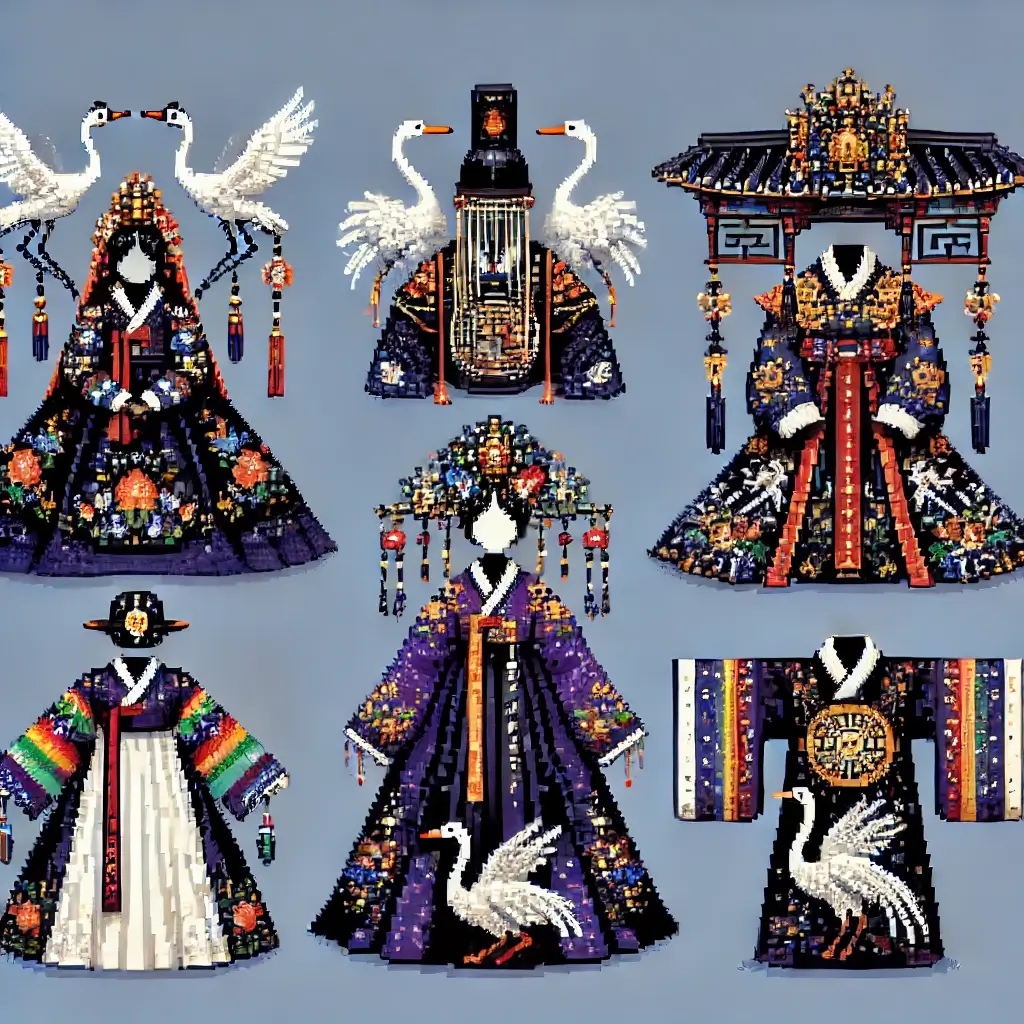
Identify Korean ritual clothing through the occasion, wearer and source, and distinguish wedding, ancestral, mourning and performance contexts respectfully.
Culture, everyday life & practical guides to Korea.
 Korea Dr.
Identify Korean ritual clothing through the occasion, wearer and source, and distinguish wedding, ancestral, mourning and performance contexts respectfully.

Practice clarification phrases, keep Korean addresses ready, and confirm everyday arrangements in writing while recognizing when specialist help is needed.
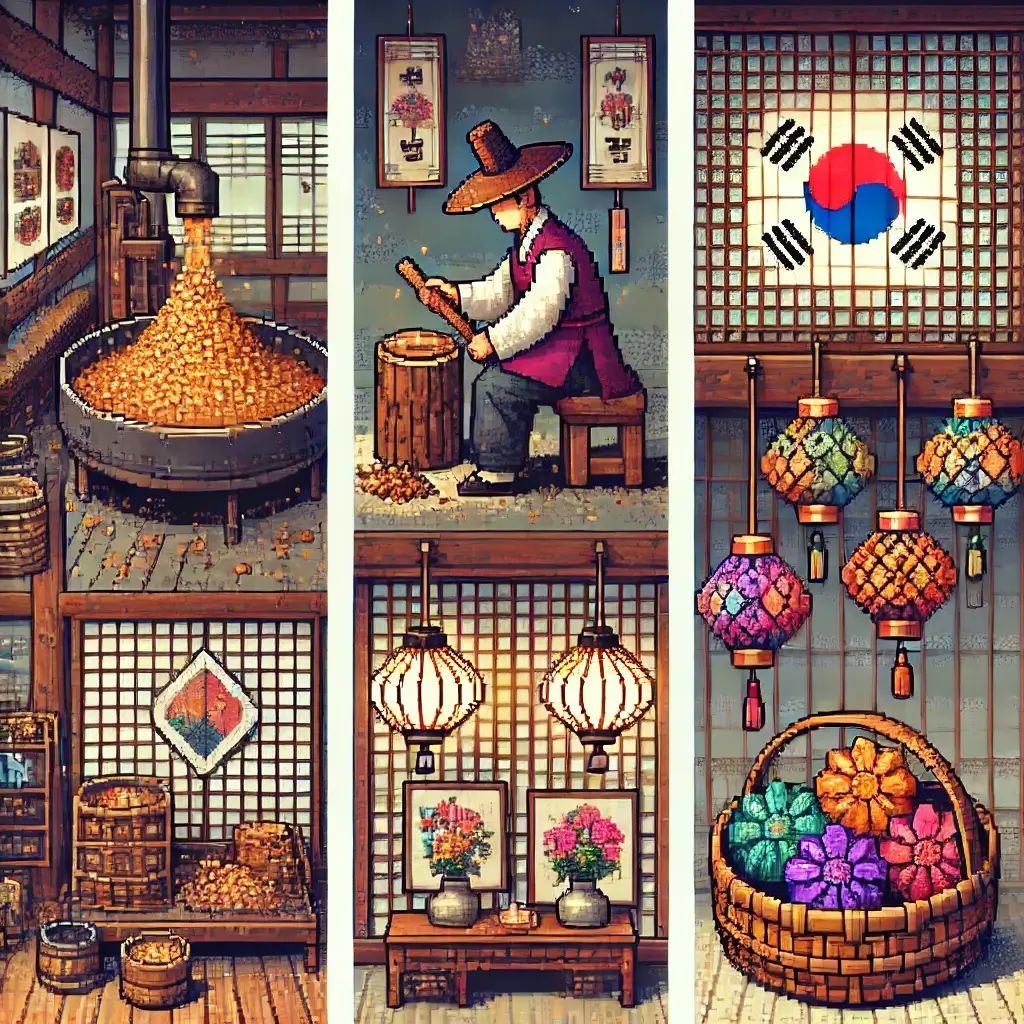
Explore hanji through fiber content, making practices and intended uses, then compare paper samples for a small project without unsupported durability claims.

Connect Korean tal masks with named traditions and characters, distinguish objects from performances, and approach talchum participation with permission.

Read Yeom Sang-seop’s Samdae with an edition record, a family map and notes on property and competing values, keeping literary and historical evidence distinct.

Prepare respectful conversations with Korean grandmothers by asking about preferred forms of address, inviting specific stories and agreeing on what may be shared.

Explore five starting points in Korean literature across songs, fiction, poetry and performance, with attention to genre, attribution and translation context.

Read Korean fashion history through dated clothing examples, the wearer’s role and material construction, then compare contemporary reinterpretations fairly.

Compare makgeolli, soju and yakju by the actual product’s ingredients, production and label, rather than assuming a category determines strength or serving rules.

Orient yourself to Korean Seon Buddhism through identifiable teachers and programs, learn the setting’s instructions, and approach a first visit respectfully.