Korean Proverbs: Ten Expressions in Conversation
Study ten Korean proverbs through conversational situations, compare encouragement and criticism, and check how wording and relationships affect their use.
Culture, everyday life & practical guides to Korea.
 Korea Dr.
Study ten Korean proverbs through conversational situations, compare encouragement and criticism, and check how wording and relationships affect their use.

Compare five figures in Korea’s reform and enlightenment history through their projects, circumstances and sources, without flattening their different roles.
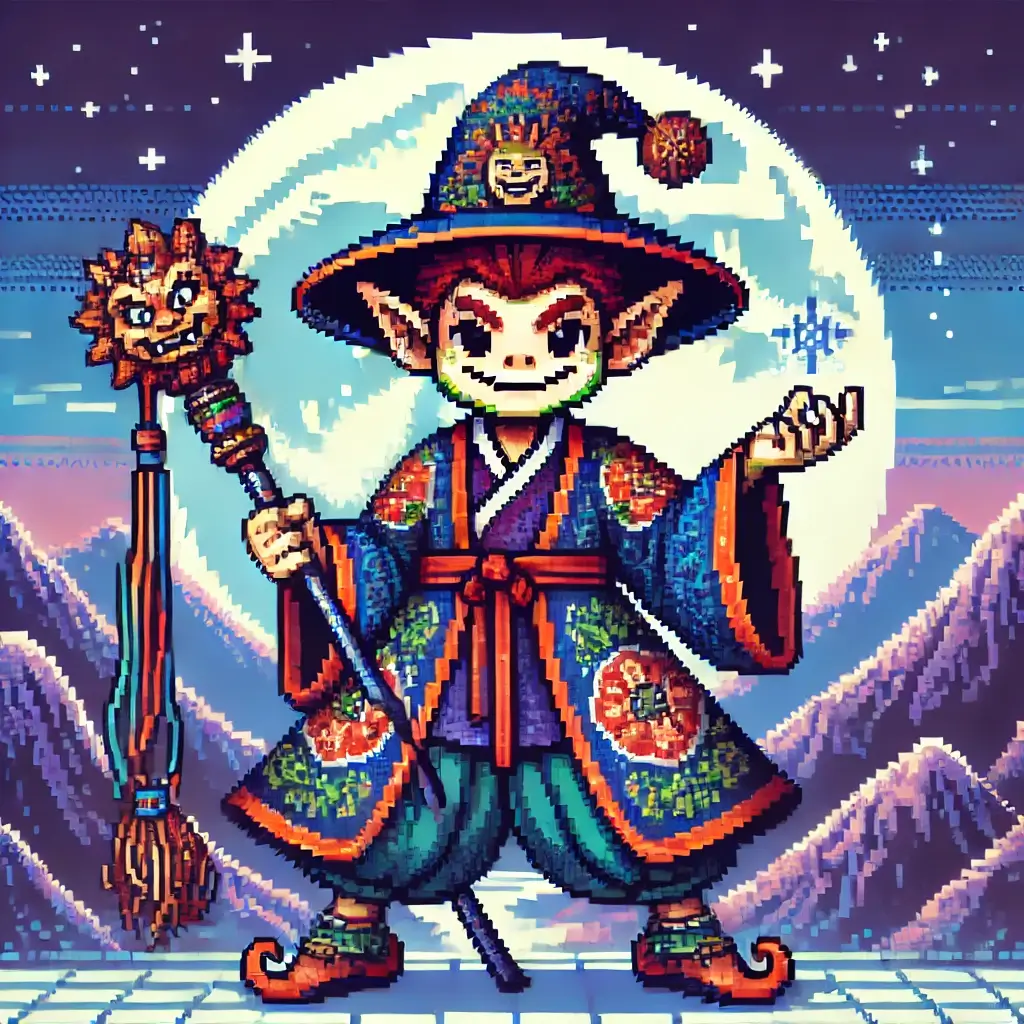
Read dokkaebi, gumiho, imugi, haetae and samjoko through specific stories and images, and compare versions instead of assuming fixed powers or personalities.
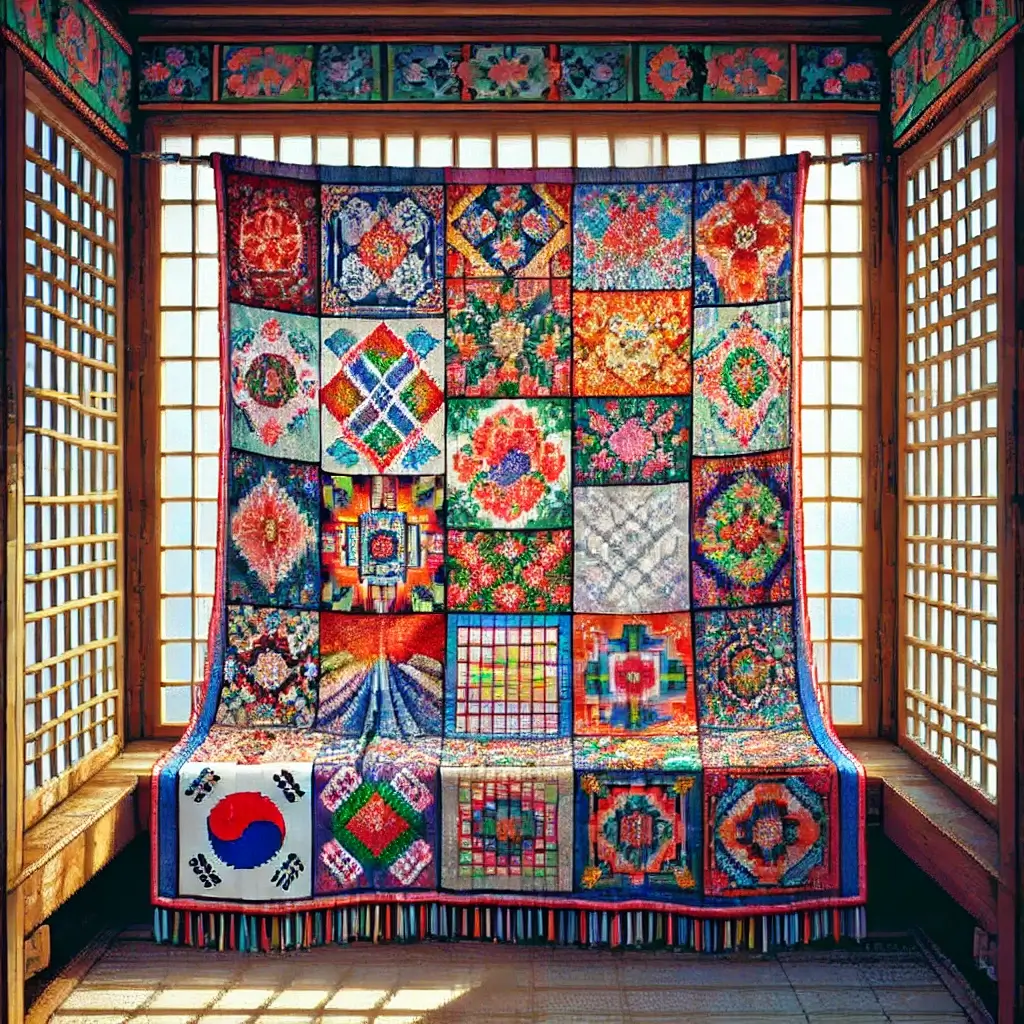
Explore bojagi as wrapping cloths with varied materials and construction, distinguish patchwork from function, and plan a manageable first sewing sample.

Identify Korean songs by title, performer and version, distinguish lullabies from other song types, and choose a respectful listening or learning activity.
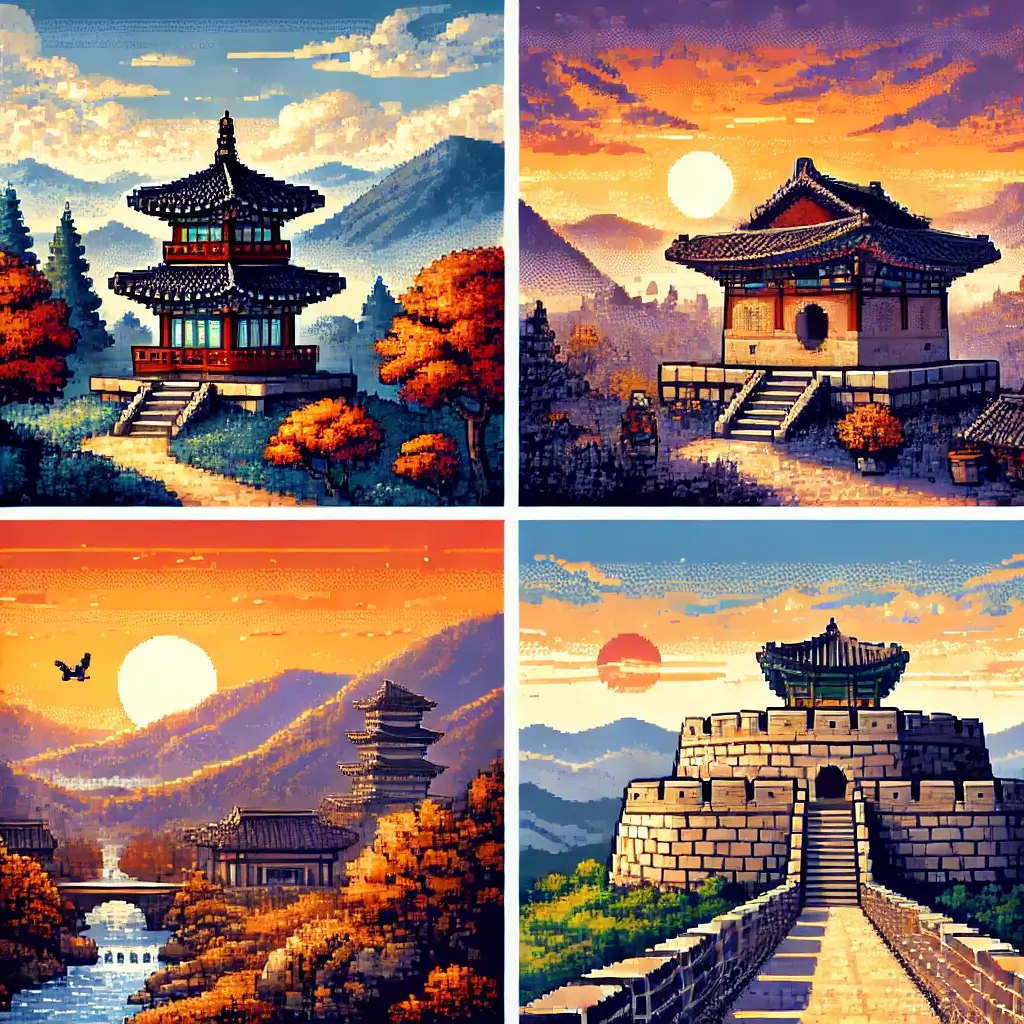
Compare Gangjin, Gongju and Yeongju by cultural interests, site priorities and realistic transport, then build a route from verified visitor information.

Practice how Hangeul letters form syllable blocks, distinguish the roles of ㅇ, and connect initials, vowels and final consonants with words and reliable audio.
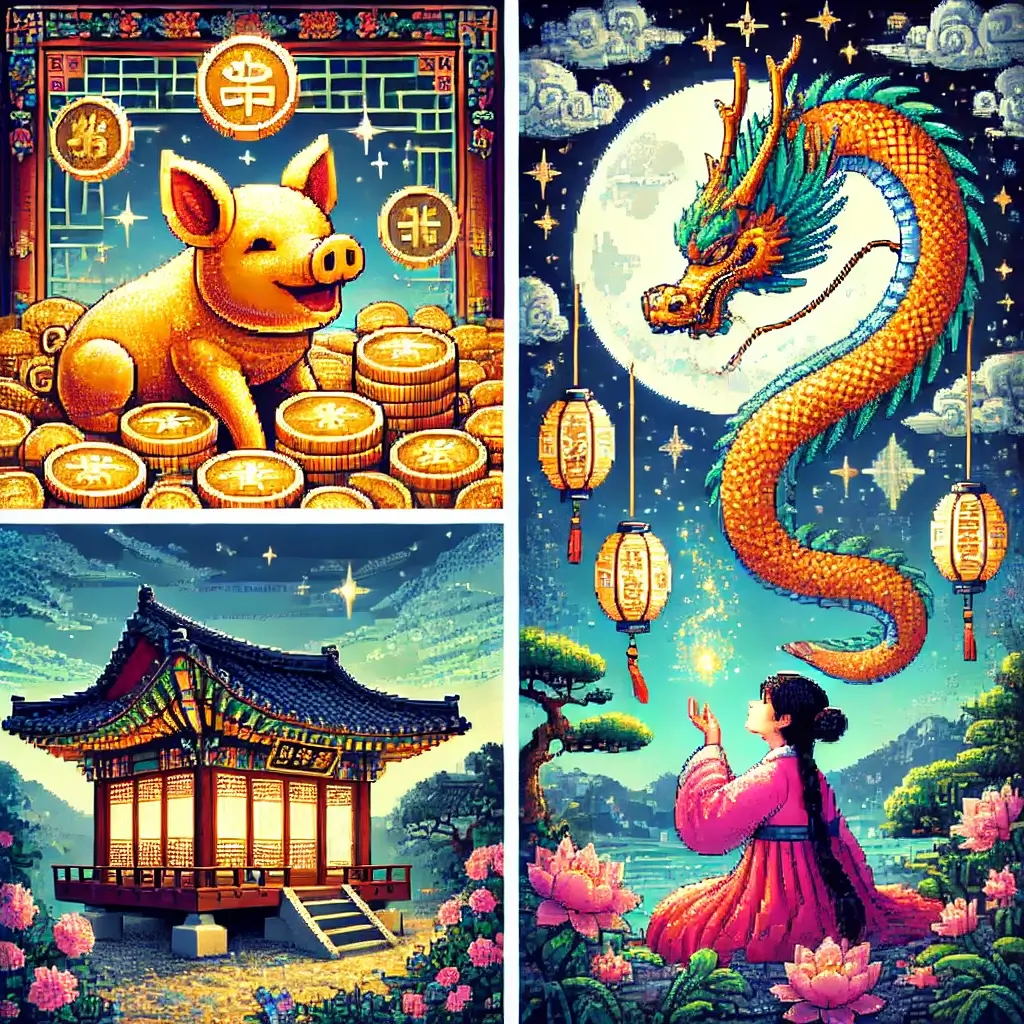
Explore Korean dream stories and taemong as folklore, compare accounts in context, and distinguish cultural meaning from claims about predicting events.
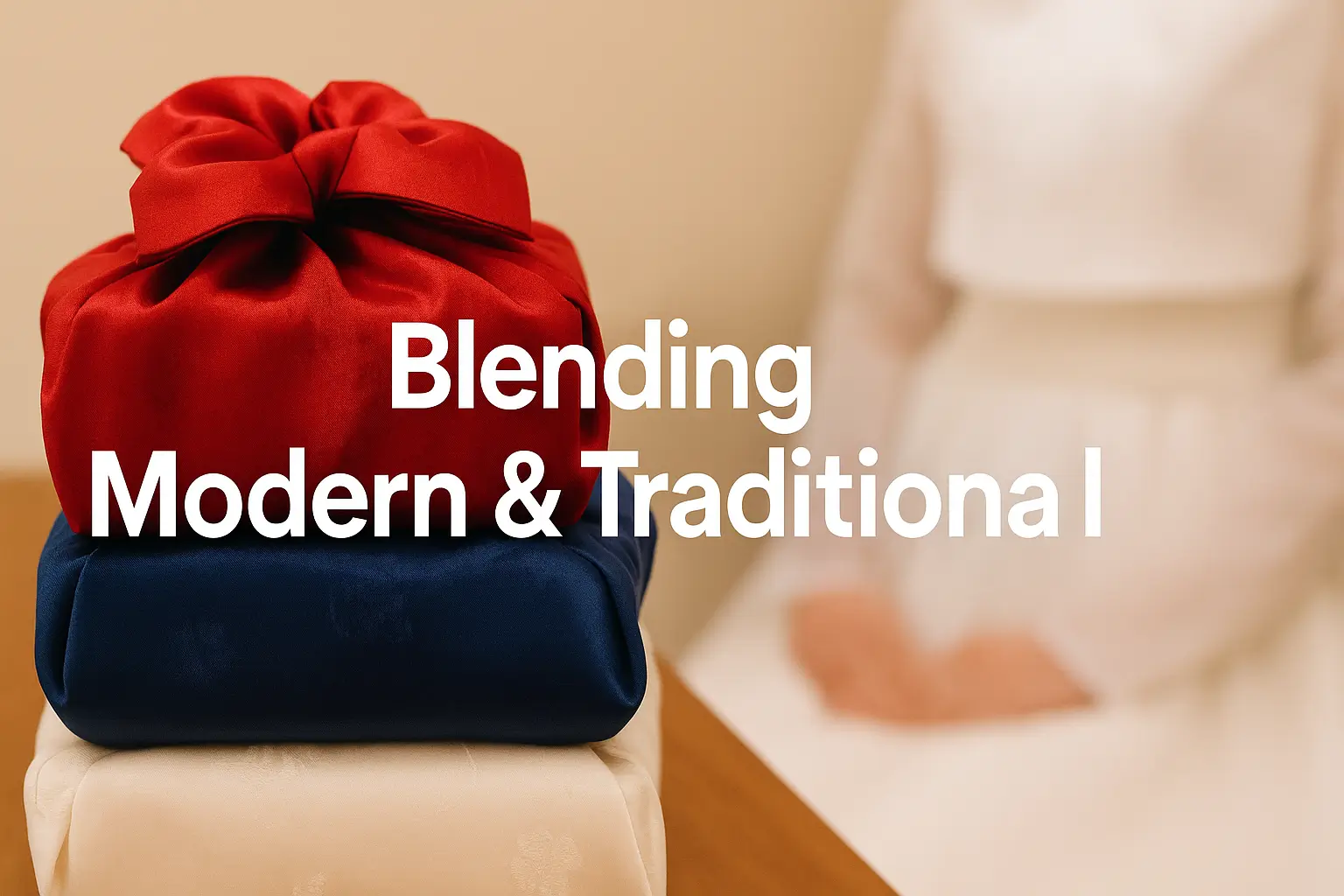
Compare modern, traditional and blended Korean wedding plans through ceremony scope, itemized quotes, guest access and the couple’s actual priorities.

Choose Korean webtoons by genre, language and content preferences, verify the exact edition, and check licensed access, samples and payment conditions.