Korean Embroidery: Materials, Motifs and Stitch Descriptions
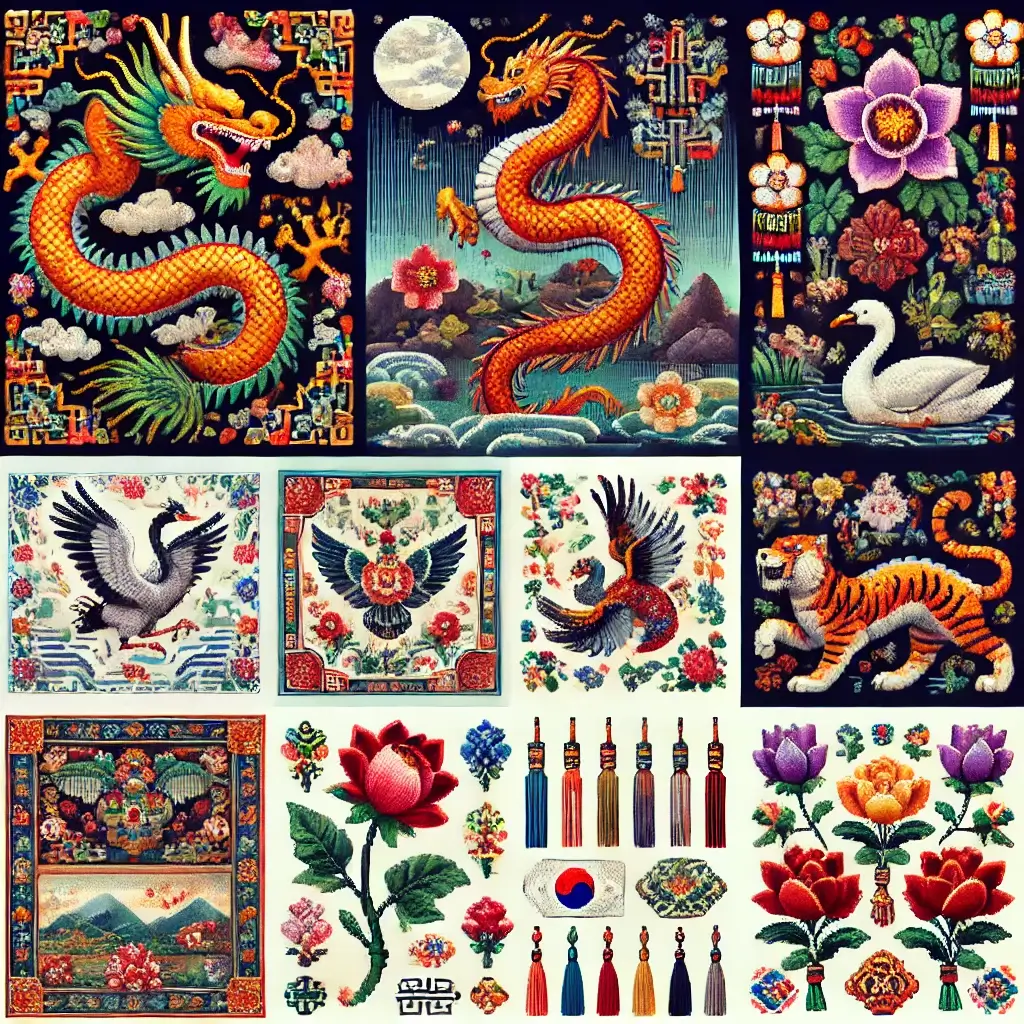
Study Korean embroidery through an identifiable textile, its materials and construction, then use reliable stitch explanations for a small learning sample.
Culture, everyday life & practical guides to Korea.
 Korea Dr.
Study Korean embroidery through an identifiable textile, its materials and construction, then use reliable stitch explanations for a small learning sample.
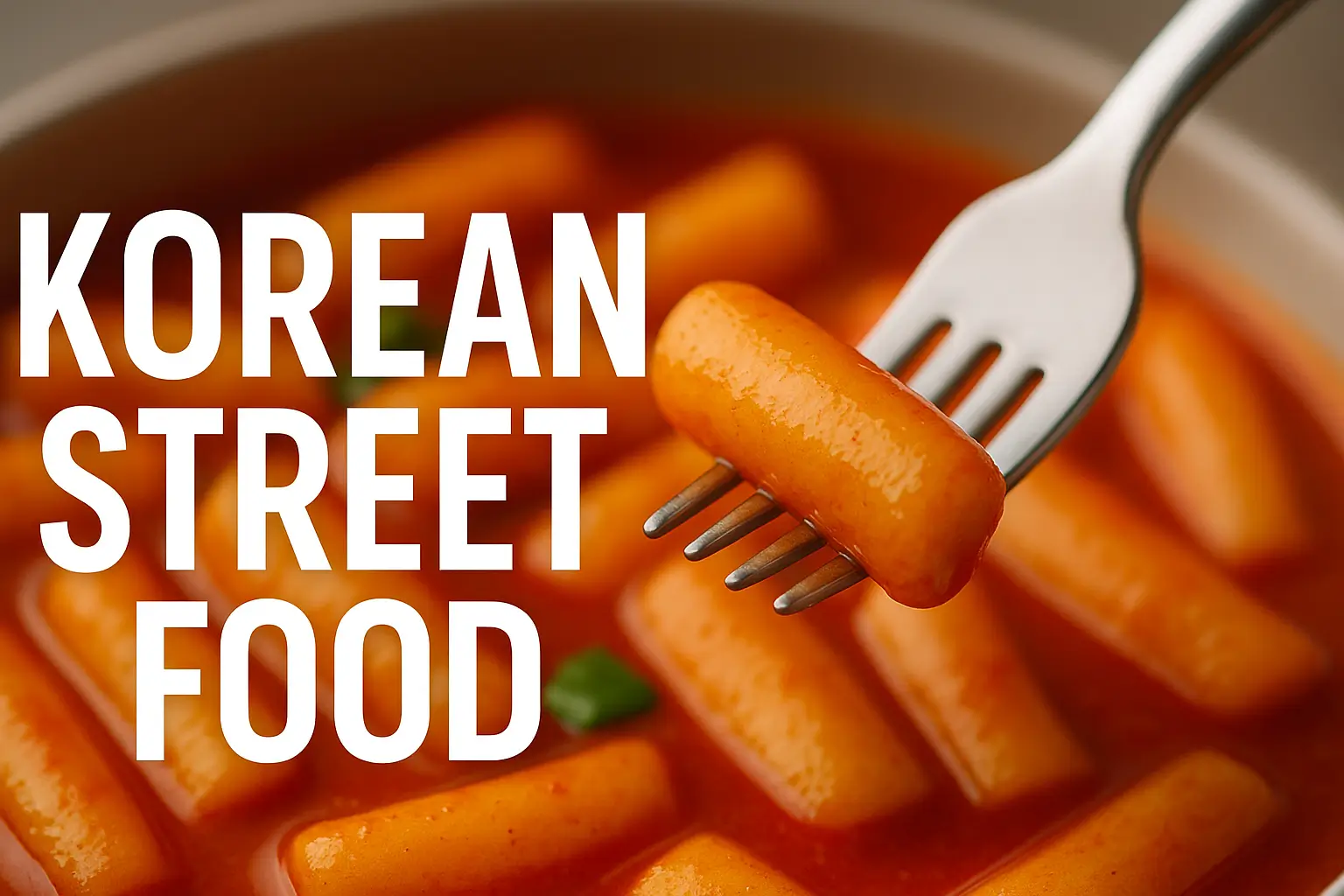
Explore seven Korean street foods by asking about actual ingredients, portions, allergens and displayed prices, then plan an order that suits your needs.
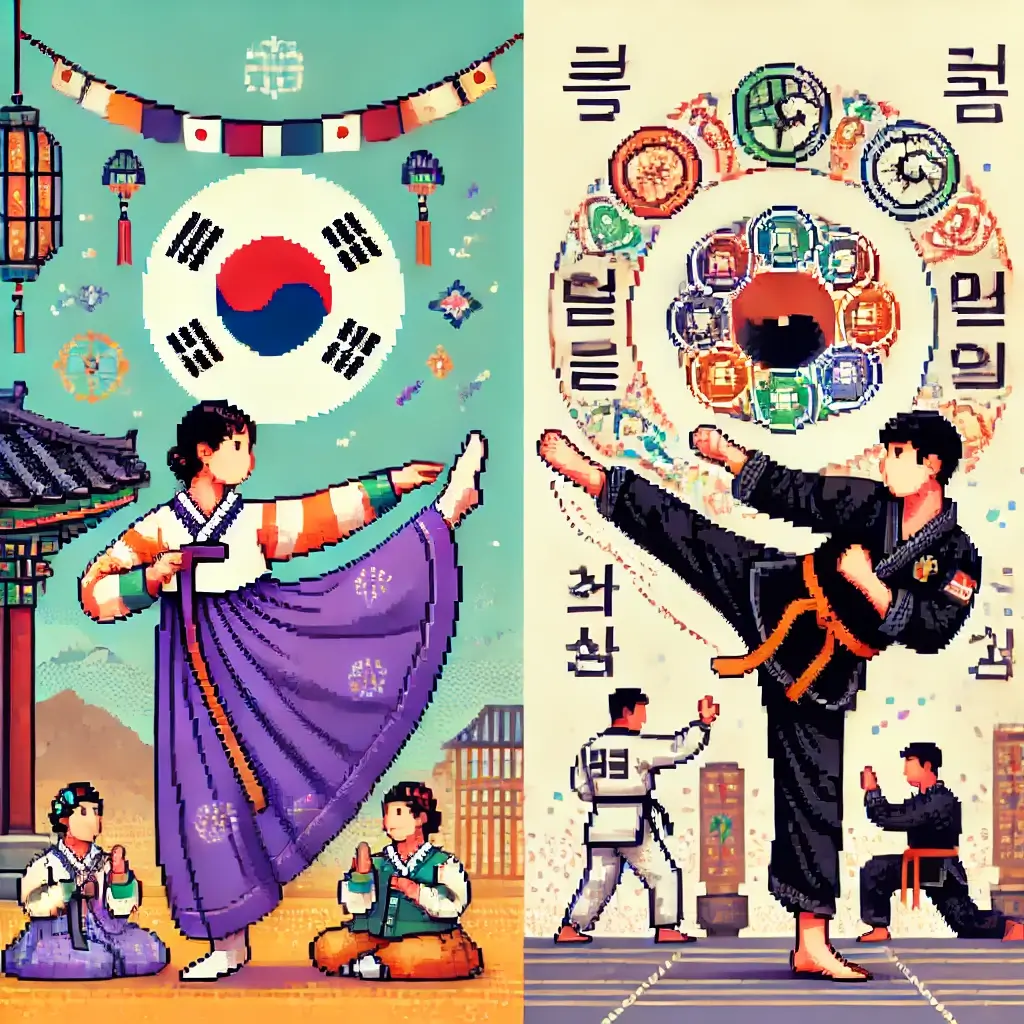
Compare taekkyeon and hapkido through the instructor, beginner activities, safety arrangements and full commitment, while checking broad historical claims.
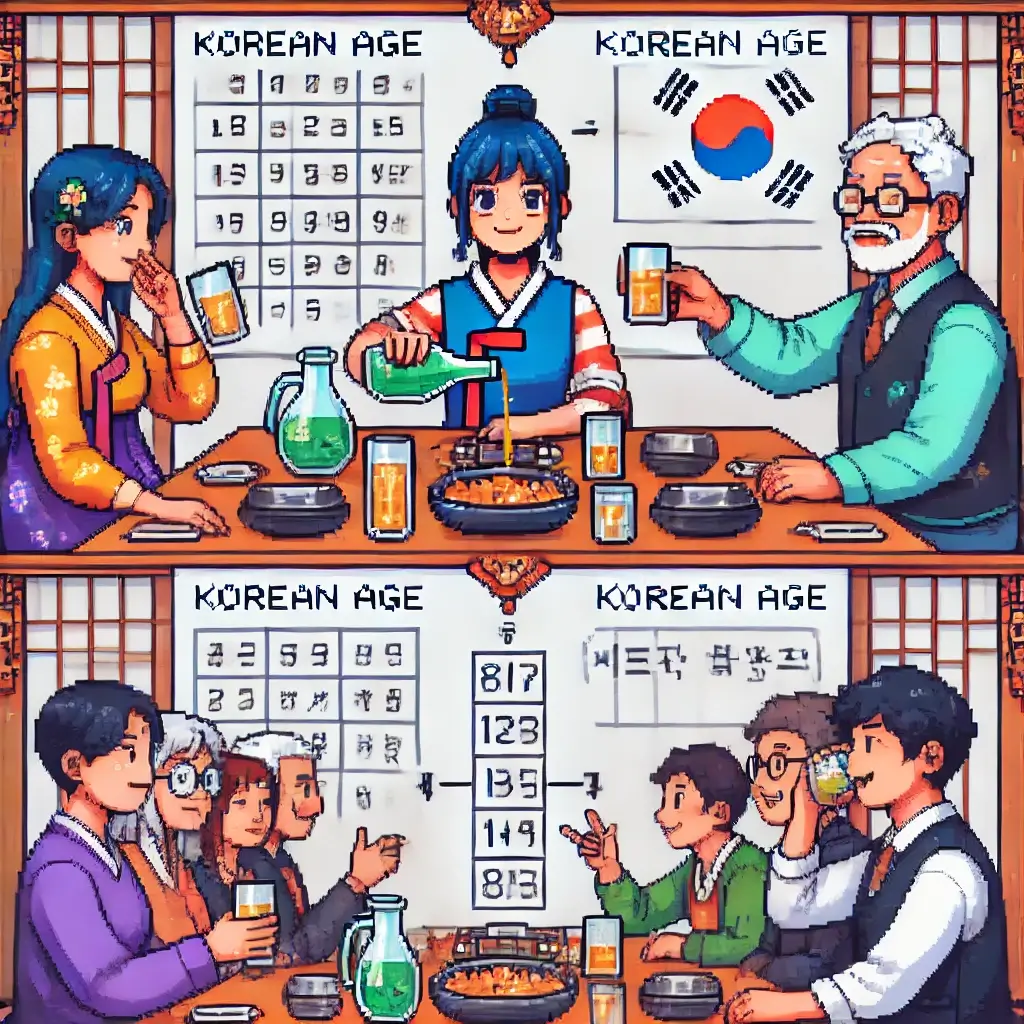
Clarify which Korean age convention an introduction uses, practice a simple follow-up question, and choose speech style from the relationship and setting.

Begin listening to pansori with a named story and performance, follow singing, speech and gesture, and use a synopsis to support one manageable passage.
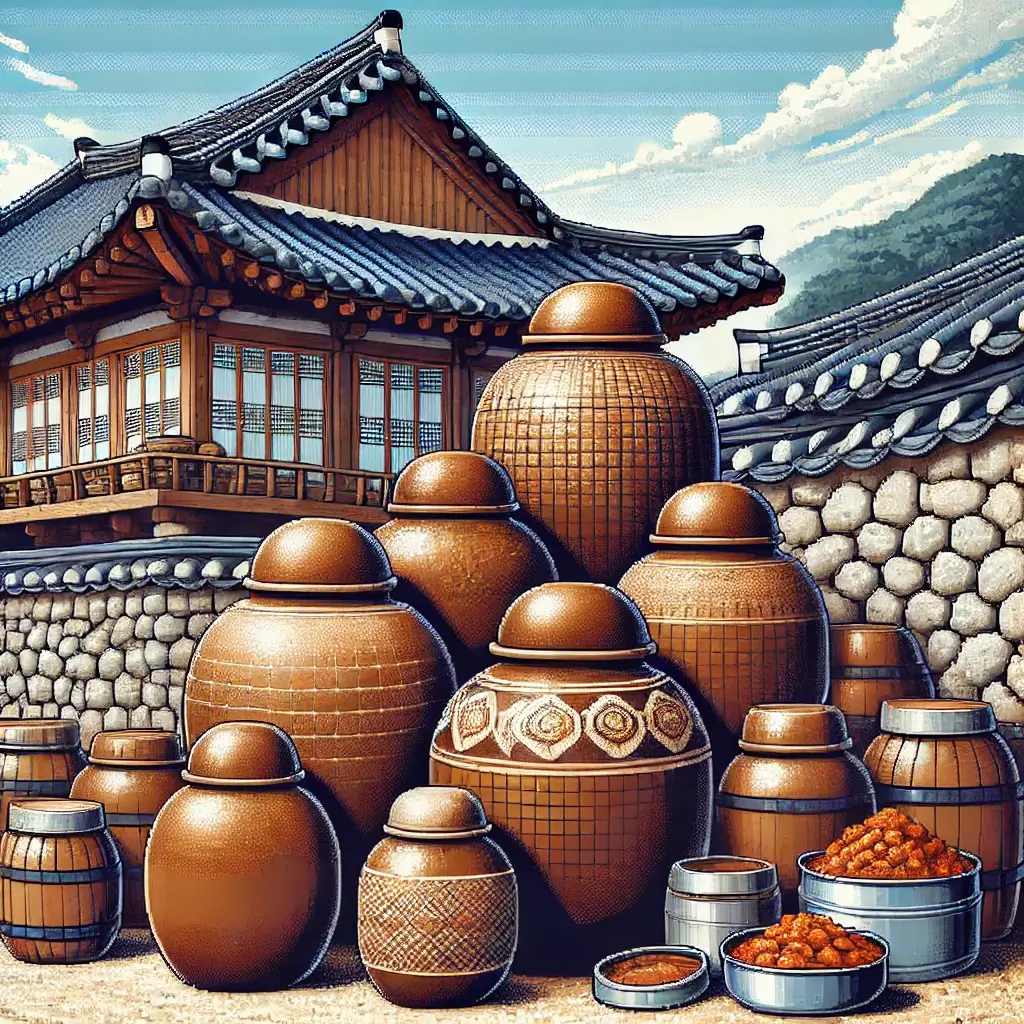
Explore Korean onggi through vessel form, material and intended use, and ask practical questions about technical claims, food contact, care and handling.

Compare five Korean regional festivals by theme, then verify organizer notices, dates, transport and access before making a booking or arranging a visit.

Prepare questions about a specific hanbang treatment’s evidence, practitioner qualifications and safety, and distinguish cultural history from treatment claims.

Understand jesa through the actual occasion and household, follow the host’s explanation, and discuss participation, shared work and personal boundaries.
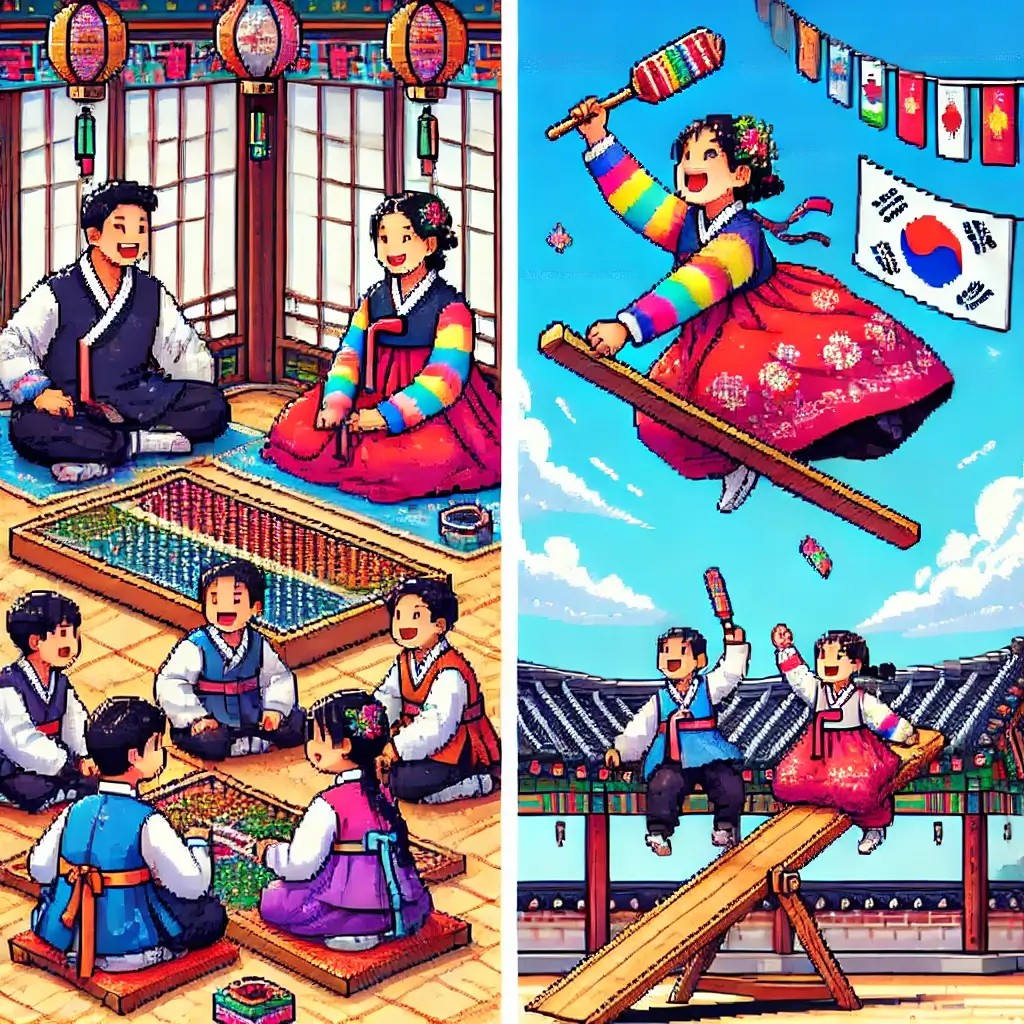
Compare yutnori, gonggi, jegichagi, ssireum and neolttwigi by space, equipment and supervision, then choose and explain a manageable activity for your group.