Korean Ceramics: Celadon, Buncheong and White Porcelain

Compare Goryeo celadon, buncheong ware and Joseon white porcelain through museum records, materials and decoration, without guessing authenticity or value.
Culture, everyday life & practical guides to Korea.
 Korea Dr.
Compare Goryeo celadon, buncheong ware and Joseon white porcelain through museum records, materials and decoration, without guessing authenticity or value.

Study Korean topic, subject, object and location particles in complete sentences, compare short exchanges, and practice how context changes the meaning.
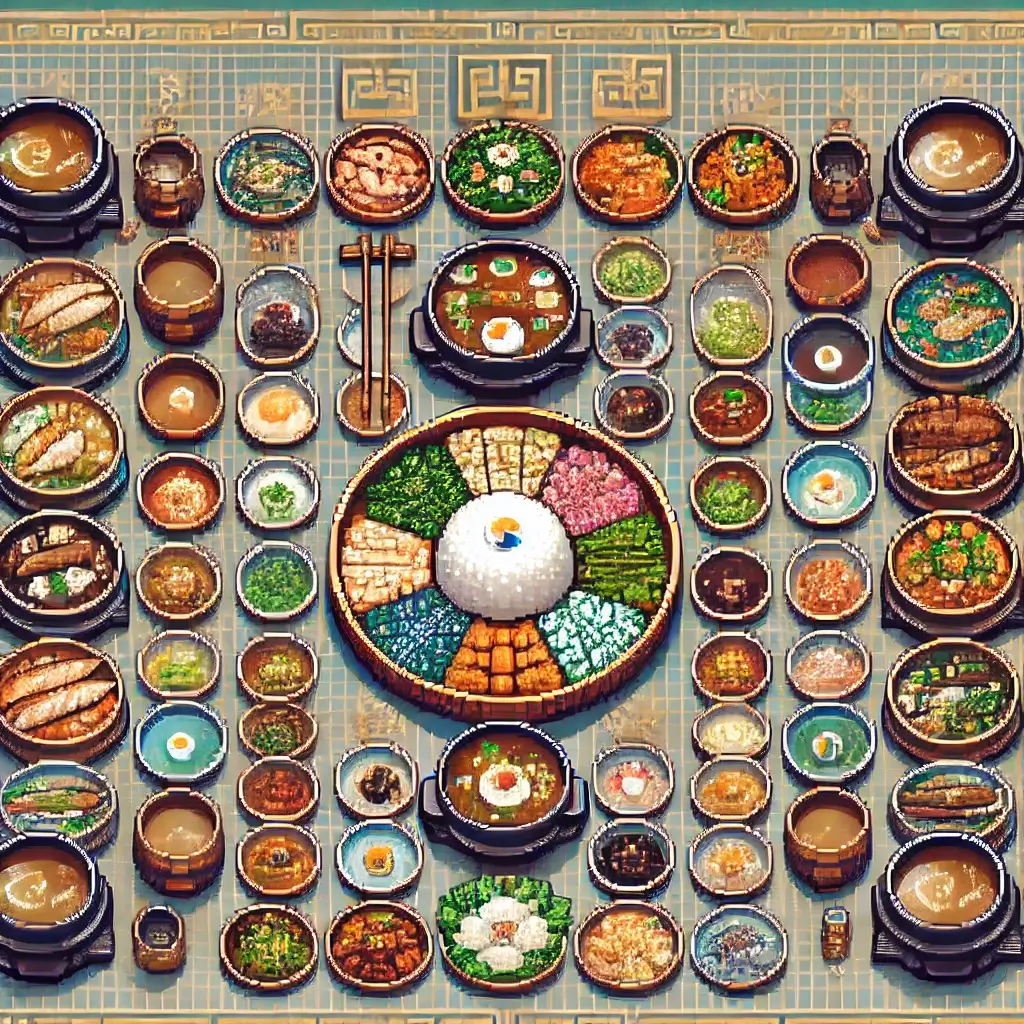
Distinguish daily palace meals from ceremonial banquets, explore heritage transmission, and ask useful questions about a modern Korean royal-cuisine menu.

Start Park Kyongni’s Toji by checking your edition, mapping characters and places, and distinguishing a novel’s narrative from historical evidence.

Learn a K-pop dance challenge by identifying the version, practicing a manageable sequence, crediting creators and setting boundaries around sharing.
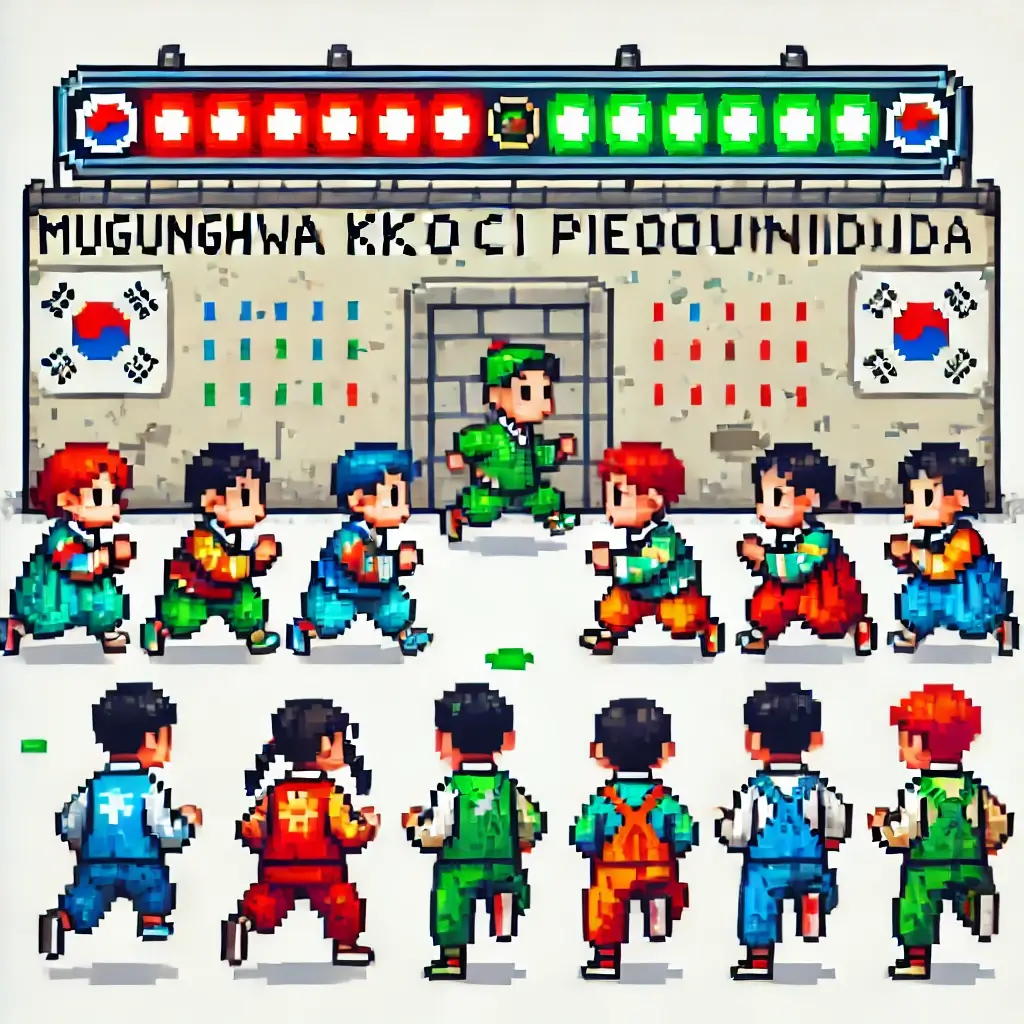
Plan five Korean traditional games for children with suitable equipment, space, adaptations and supervision, plus a practical setup and cleanup checklist.
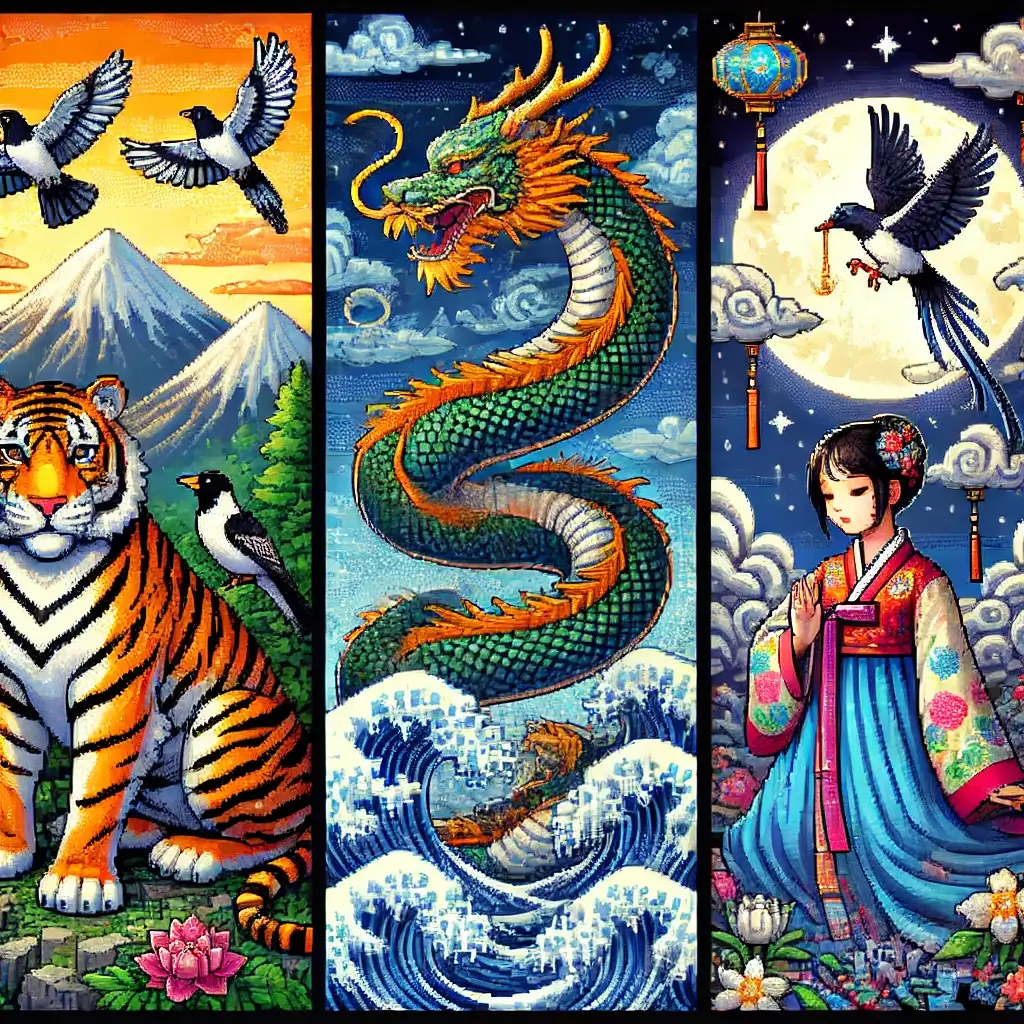
Explore tigers, dragons, bonghwang, bears and gumiho through particular stories and artworks, and compare versions without assigning one universal meaning.
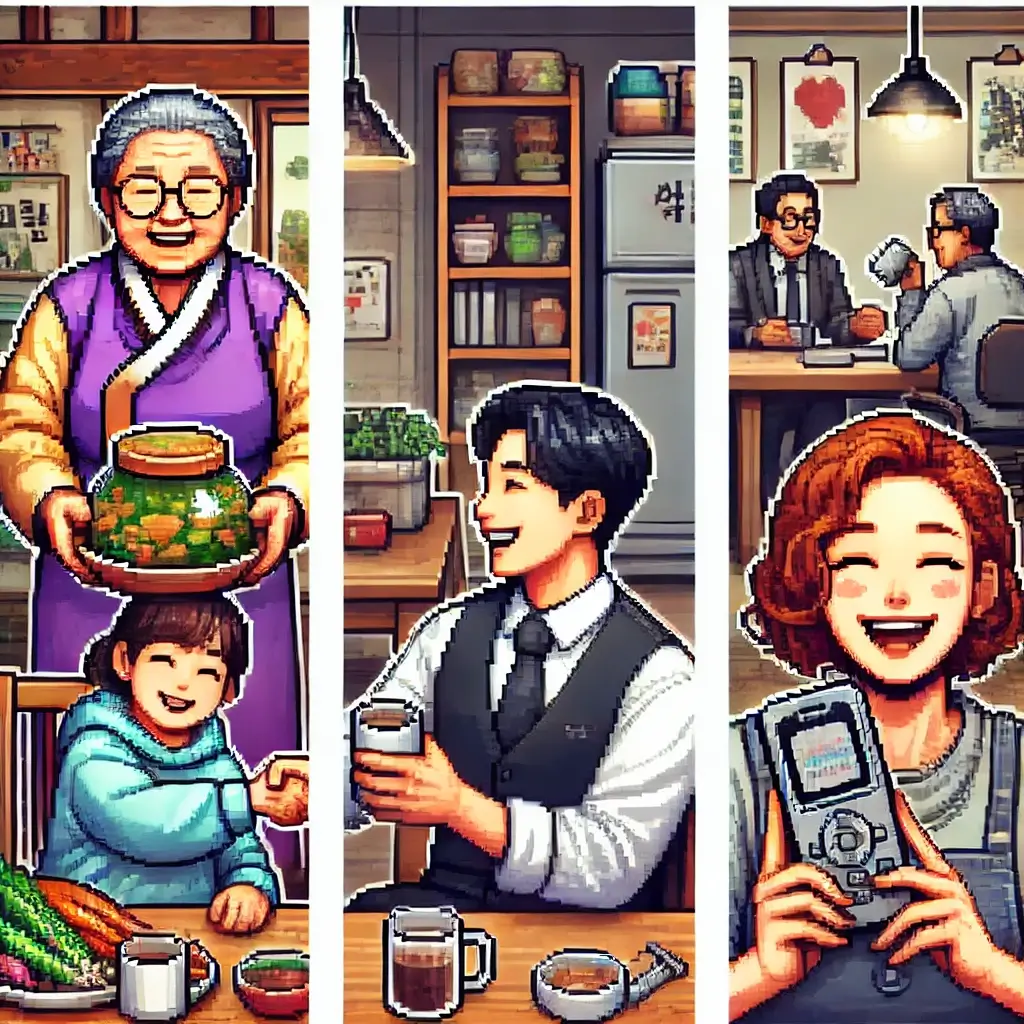
Understand jeong through full expressions, shared experiences and specific relationships, while keeping affection, translation and personal boundaries in view.
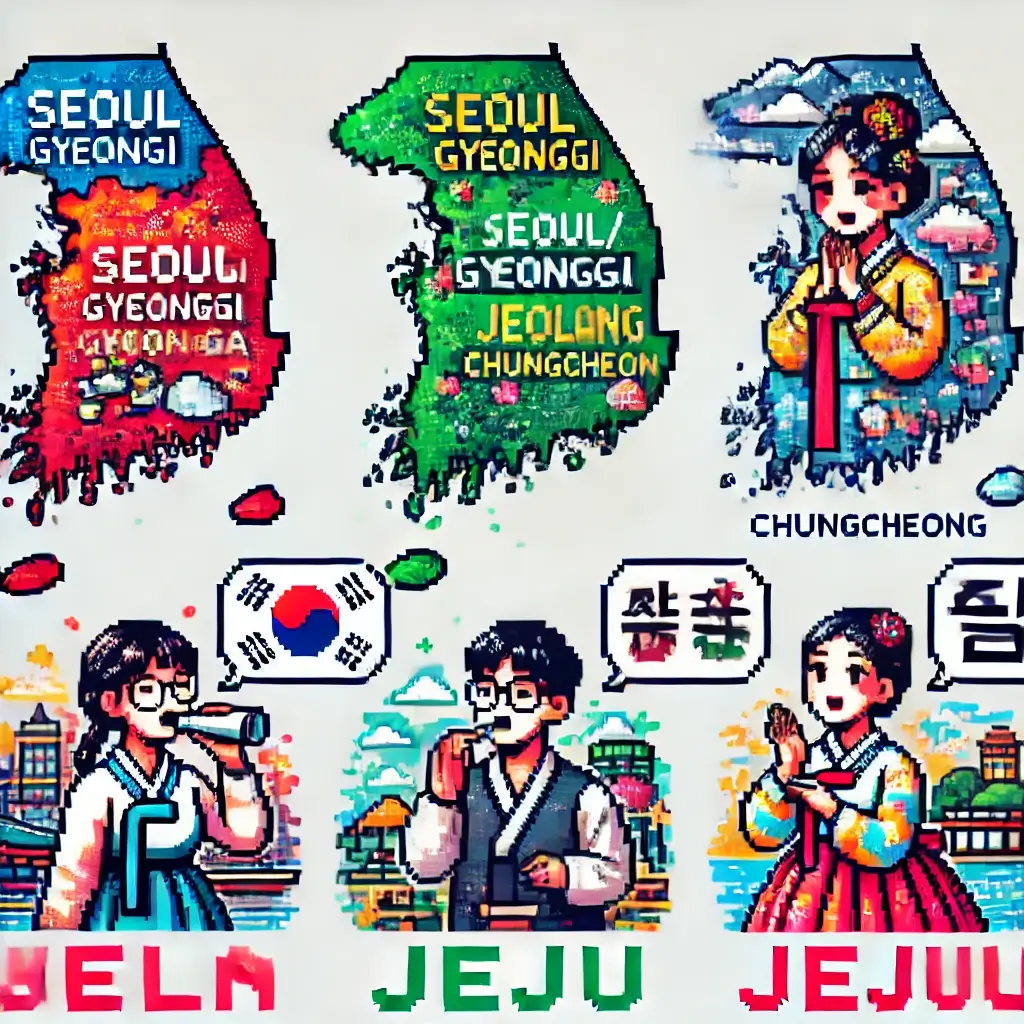
Compare regional Korean speech using recordings, transcripts and local context, while avoiding personality stereotypes and treating Jeju with care.
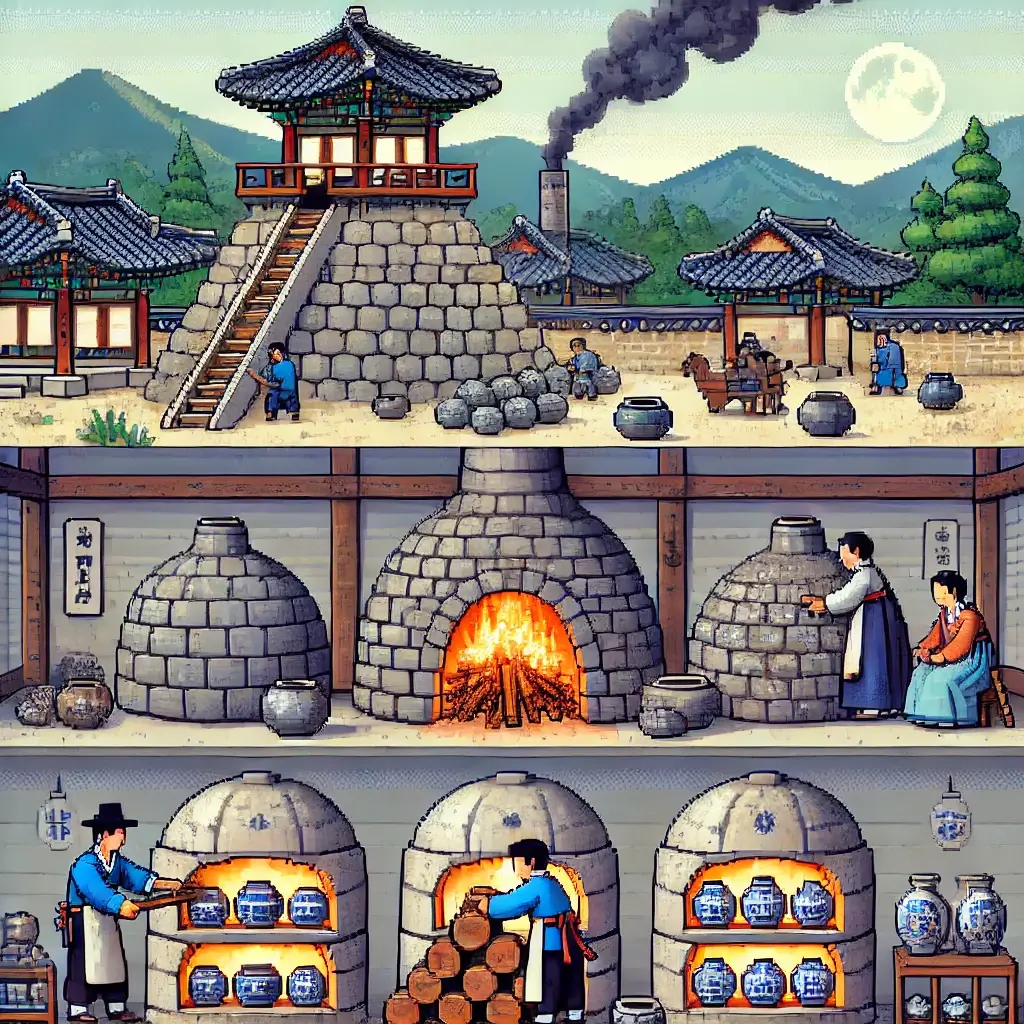
Connect Korean kiln histories with documented ceramic objects, compare materials and firing claims, and prepare questions for a workshop or collection visit.