
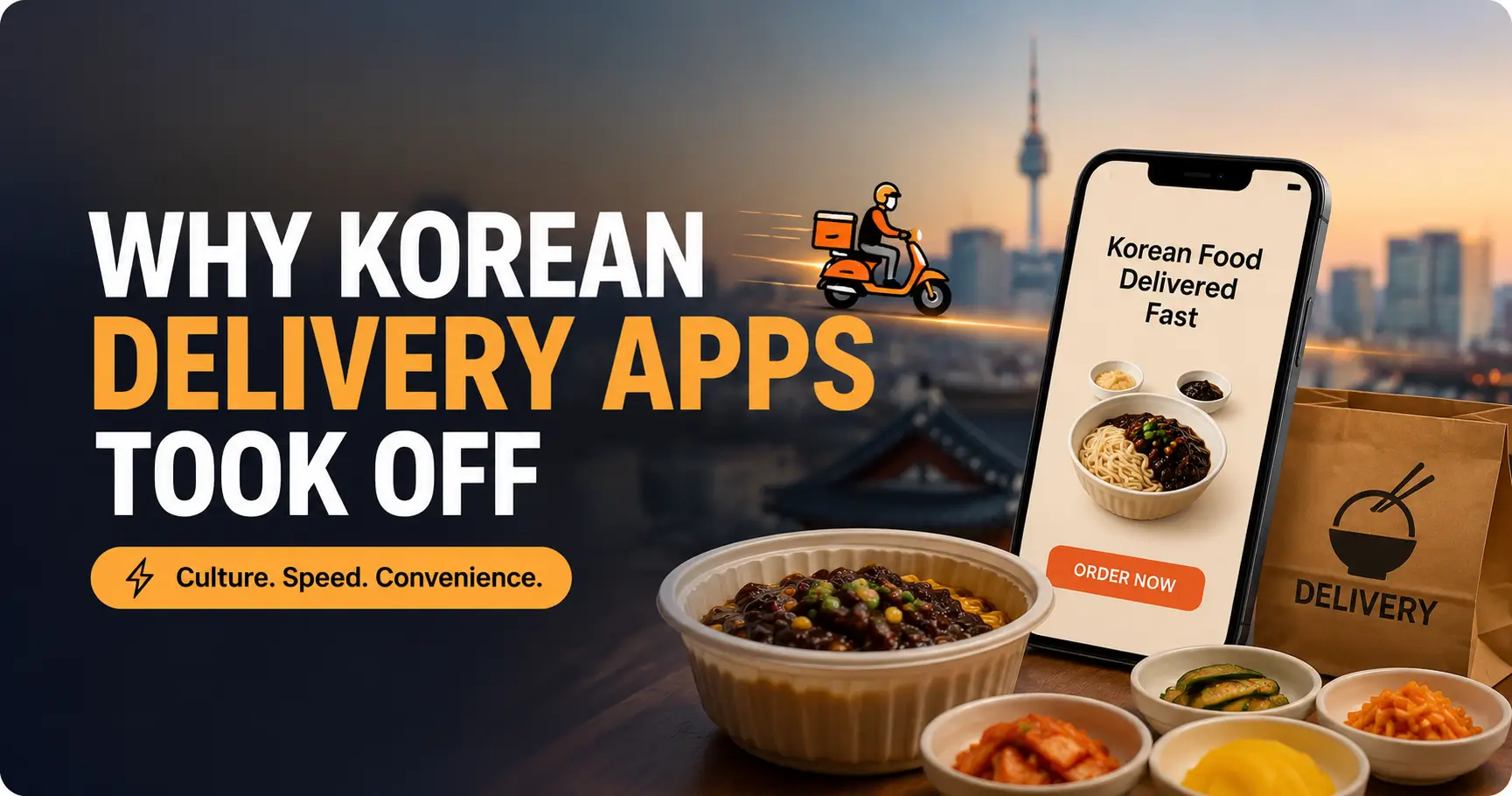
Korean food culture, delivery economy, and why speed became dinner
Why Delivery Apps Changed Korean Food Habits
Faster Than Many Western Markets
Korea did not wake up one morning and suddenly discover that dinner could arrive by scooter. Long before sleek app icons appeared on phone screens, there were laminated flyers on apartment doors, phone numbers taped near landlines, and the familiar comfort of jajangmyeon arriving in metal bowls. Delivery apps did not invent the habit. They sharpened it.
That is the part many Western comparisons miss. In much of the US and UK, food delivery had to fight distance, suburbs, tipping friction, fragmented restaurant operations, and the old assumption that delivery meant pizza, curry, or Chinese takeout. In Korea, apps stepped into dense cities, apartment towers, fast broadband, late-night food culture, and restaurants already trained to compete through convenience.
This guide explains the cultural machinery under the screen: why banchan travels differently, why one-person households matter, why speed became a normal expectation, and what Western food delivery markets can learn without copying Korea blindly. Think of it as opening the thermal bag and finding urban design, social change, restaurant economics, and appetite all folded inside.
Culture Lens
See how old delivery habits made app adoption feel natural, not strange.
Market Lens
Compare Korea with Western markets using density, labor, distance, and fees.
Practical Lens
Use one meal comparison to explain behavior, not just technology.
Best read if you have ever wondered why Korean delivery feels less like a service and more like household infrastructure. 🍜
Snapshot
This article is for US and UK readers studying Korean food culture, delivery apps, urban consumer habits, or food-tech market differences. You will learn why Korea adopted app-based food delivery so quickly, what many Western comparisons miss, and how to analyze one meal across two markets using density, packaging, fees, speed, and portion style.
Table of Contents
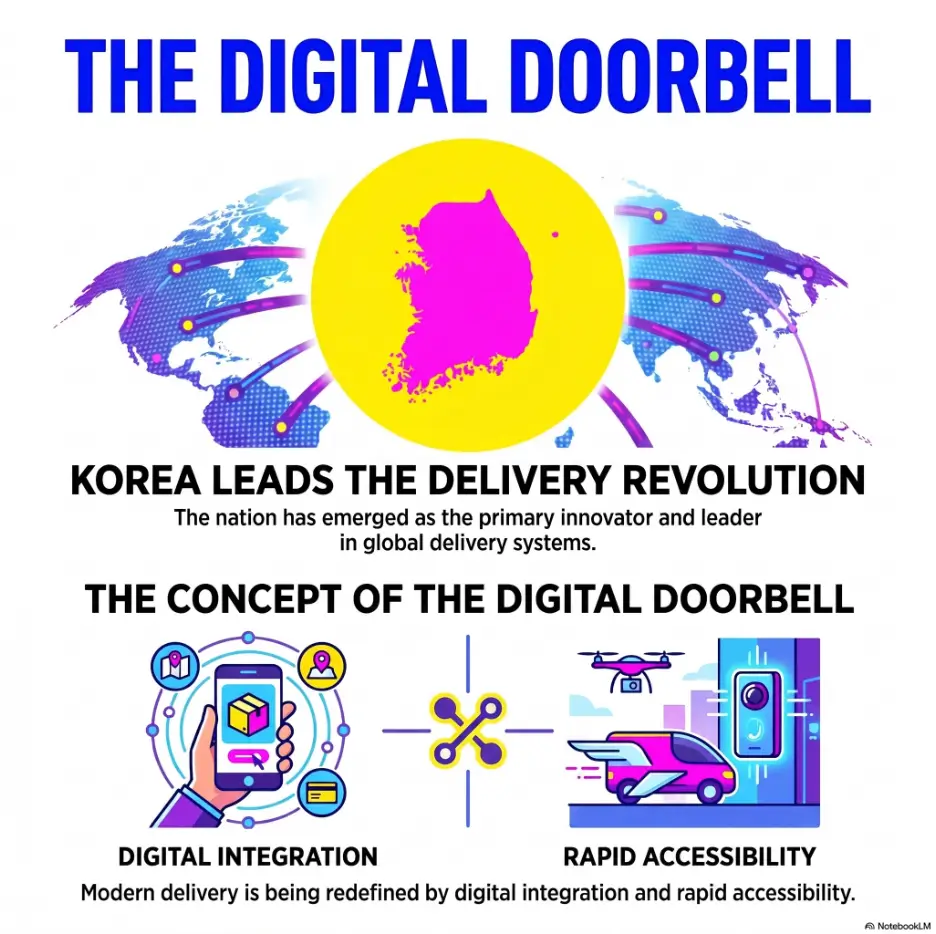
Korea Was Already “Delivery-Ready” Before Apps Arrived
The easiest mistake is to describe Korea’s delivery boom as a tech story. It is partly that, of course. Apps matter. Payment systems matter. Rider networks matter.
But the deeper story begins before the smartphone. Korean households already knew what it meant to order food without treating it as a special occasion. Delivery was not a futuristic promise. It was a familiar sound at the door.
The phone-order era built the muscle memory first
Before delivery apps became everyday tools, many Korean restaurants already handled phone orders with impressive fluency. Households could call a nearby Chinese-Korean restaurant, chicken shop, bunsik place, or jokbal restaurant and expect delivery without needing a long explanation.
That matters because app adoption is easier when the behavior already exists. The app did not have to convince people that ordering dinner at home was normal. It only had to make the process smoother: fewer phone calls, easier menu browsing, visible reviews, automatic payment, and order tracking.
Fried chicken, jajangmyeon, and bunsik made delivery feel normal
Some foods become cultural training wheels. In Korea, fried chicken, jajangmyeon, tteokbokki, kimbap, sundae, pizza, and late-night snack foods helped normalize delivery across age groups and household types.
These foods were affordable enough for ordinary days, shareable enough for groups, and comforting enough to feel like a small reward. They turned delivery into a rhythm rather than a luxury.
Why apps did not create the habit, they accelerated it
When a market already has customer trust, restaurant readiness, and a dense delivery geography, apps can grow quickly because they remove friction from an existing routine.
Key Takeaway
Korea’s delivery apps grew quickly because they digitized an existing food habit. In many Western markets, apps had to build the habit and the infrastructure at the same time.
Dense Cities Made Delivery Feel Almost Frictionless
Delivery depends on appetite, but it also depends on math. The math is kinder when many customers live near many restaurants, and when one rider can complete several short trips in a small area.
This is why Korean apartment districts are so important. A tower complex is not just housing. For food delivery, it is a concentrated map of repeat demand.
Apartment clusters changed the economics of one rider, many orders
In a dense Korean neighborhood, a rider may move between restaurants, apartment entrances, office buildings, and officetels without traveling far. Short routes make delivery feel faster and more predictable.
Contrast that with a spread-out suburb where each order may require more driving, parking, navigation, and time. Even a great app cannot make low-density geography behave like a compact city.
If you want to understand the social side of Korean apartments, this connects naturally with South Korea’s housing pressure, Seoul neighborhood identity, and the everyday routines that form around apartment districts.
Shorter distances made hot food more realistic
Delivery is emotional. A lukewarm burger, soggy fries, or tired noodles can make a customer feel foolish for paying fees. Korean delivery worked well because many orders traveled short distances, which helped soups, fried foods, rice dishes, and noodles arrive closer to their intended state.
Shorter distances also make repeat ordering easier. Once a household learns that a restaurant can deliver quickly and consistently, ordering again becomes a low-effort decision.
Here’s what no one tells you: density is the hidden menu item
Food delivery discussions often focus on app design, promotions, and restaurant choices. Those matter, but density is the invisible ingredient that shapes almost everything: delivery time, rider efficiency, food temperature, fees, and customer patience.
Infographic: The Korean Delivery Acceleration Loop
1. Existing Habit
Phone orders made delivery ordinary before apps arrived.
2. Dense Housing
Apartment clusters made short, repeatable delivery routes practical.
3. Restaurant Pressure
Competition pushed restaurants to join apps and improve presentation.
4. App Visibility
Photos, reviews, rankings, and payments made decisions faster.
5. New Routine
Solo meals, late-night orders, and repeat cravings became normal.
The Banchan Effect: Korean Meals Travel Differently
Korean meals often arrive as a small ecosystem: rice, soup, main dish, side dishes, sauces, pickles, maybe disposable gloves, maybe lettuce wraps, maybe extra radish for fried chicken.
This changes the meaning of delivery. It is not only “one entrée in a box.” It can feel closer to a complete table, compressed into containers.
Shared dishes made delivery feel like a complete meal, not a compromise
In many Western takeout habits, each person orders a separate main dish. In Korea, delivery often preserves a shared-table feeling, even when one person is eating alone.
A stew can arrive with rice and side dishes. Fried chicken can arrive with pickled radish and sauce. Jokbal can arrive with wraps, garlic, ssamjang, and spicy noodles. The meal feels assembled, not lonely.
Packaging had to carry soup, rice, sides, and texture
Korean delivery packaging had to solve several problems at once: hot broth, sticky rice, crispy coatings, fermented side dishes, sauces, steam, and smell. That created a practical packaging culture around separating, sealing, and protecting foods with different textures.
For consumers, better packaging reduces regret. For restaurants, it protects reviews. A crisp chicken order that arrives limp is not merely disappointing. It becomes public evidence.
Why Western “single entrée” logic misses the Korean table
If you analyze Korean delivery through the lens of one boxed entrée, you miss the emotional structure of the meal. Korean delivery often recreates abundance, choice, and table rhythm.
That helps explain why delivery could replace home cooking more comfortably in certain situations. A meal that arrives with little companions feels less like surrender and more like a practical shortcut.
Key Takeaway
Korean delivery feels powerful because it can deliver a meal structure, not just a food item. Rice, soup, banchan, sauce, and shared portions make the experience feel fuller.
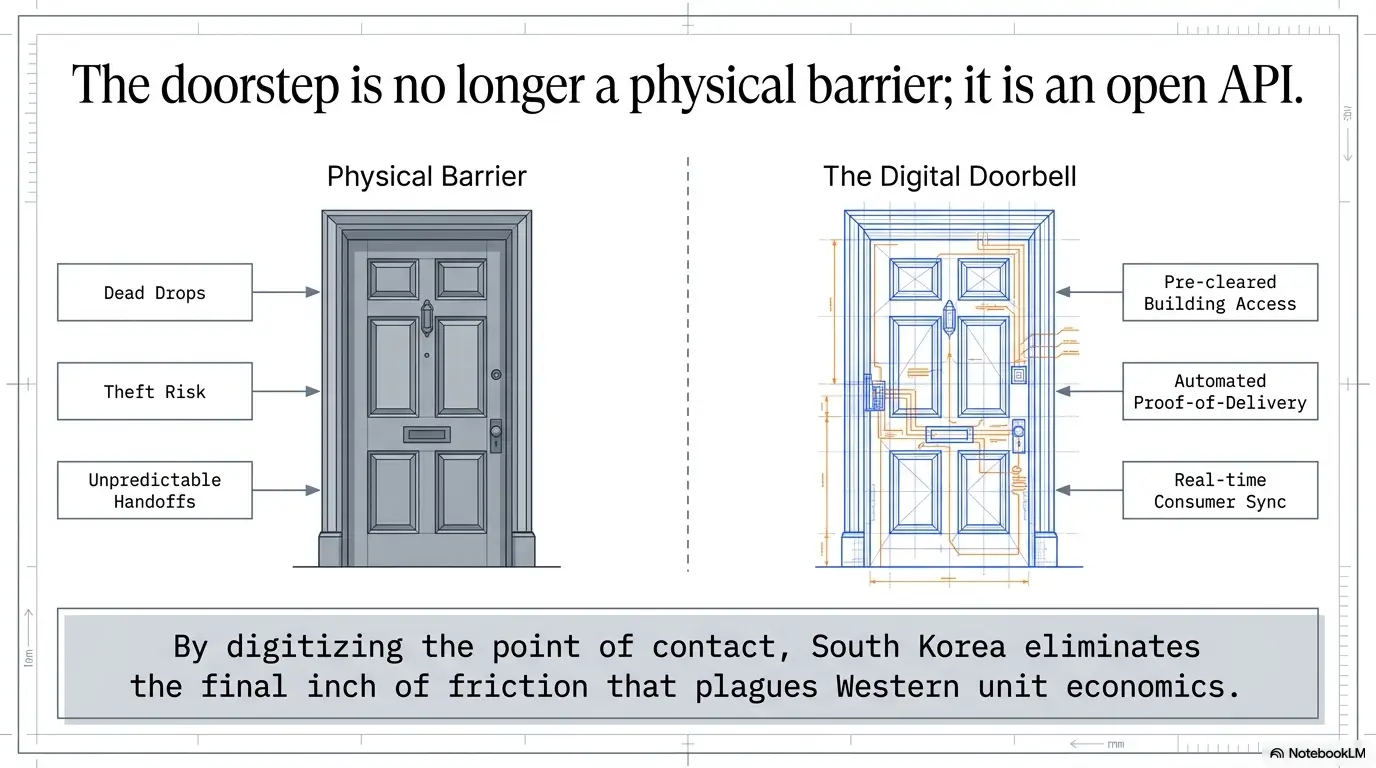
Speed Became a Food Expectation, Not a Luxury
Once customers get used to fast delivery, speed stops feeling special. It becomes part of the product.
In Korea, speed interacted with density, competition, and app visibility. Restaurants were not only competing on taste. They were competing on minutes, packaging, review scores, and reliability.
Fast delivery trained customers to compare restaurants by minutes
When apps show estimated delivery times, time becomes a menu feature. A customer might choose a slightly less exciting restaurant because it can arrive 15 minutes faster.
This is a quiet behavioral shift. The app turns hunger into a comparison engine. Taste matters, but so does timing, fee transparency, review confidence, and the memory of the last order.
Late-night orders turned apps into household infrastructure
Korean late-night food culture did not begin with apps. But apps made it easier to browse possibilities when the kitchen was quiet, the workday had run too long, or a group gathering needed something salty and hot.
Late-night delivery also blurred the line between meal planning and mood repair. After a long day, ordering food can become less about hunger alone and more about choosing a small form of relief.
The quiet shift: dinner planning became optional
Apps reduce the penalty for not planning. That sounds simple, but it changes household rhythm.
When dinner can be decided at 7:12 p.m. from the sofa, groceries become less urgent, leftovers feel less necessary, and cravings get more authority. The app becomes a small negotiation between convenience, budget, appetite, and guilt.
| Food decision | Before apps | After apps became normal | Practical effect |
|---|---|---|---|
| What to eat | Known nearby restaurants or phone menus | Visible options, rankings, photos, filters | More comparison and impulse ordering |
| When to decide | Earlier planning or direct phone order | Closer to mealtime or late at night | Dinner planning becomes easier to delay |
| Trust signal | Familiarity, flyers, word of mouth | Reviews, ratings, repeat-order history | Lower risk for trying new places |
| Budget check | Menu price awareness | Food price plus delivery fee and minimum order | More need to compare total cost |
Don’t Compare Korea to the US Too Quickly
It is tempting to ask, “Why can’t Western delivery work like Korea?” The better question is, “Which conditions are actually comparable?”
Food delivery is not just an app category. It is a local system shaped by geography, labor, parking, housing, restaurant type, payment habits, tipping norms, and customer expectations.
Bigger suburbs change delivery math in Western markets
In spread-out suburbs, a delivery order may involve longer driving time, fewer stacked orders, more parking friction, and greater risk that hot food loses its charm before arrival.
That is why a US customer and a Korean customer can use similar-looking apps but experience very different value. The app is the visible layer. The local delivery math is underneath.
Tipping culture, labor costs, and distance reshape the experience
In the US especially, tipping expectations can make the final price feel uncertain or heavy. Delivery fees, service fees, menu markups, and tips can turn a simple dinner into a small invoice with noodles attached.
Korea’s no-tipping norm changes the psychology of ordering. Even when delivery fees exist, the customer experience is different when tipping is not part of the decision.
If you are comparing Korean and US food habits, it helps to read delivery beside nearby culture guides such as tipping in Korea and Korean delivery etiquette.
Mistake to avoid: assuming app adoption means the same behavior everywhere
Two countries can adopt the same technology and still produce different habits. In one market, delivery may replace cooking several nights a week. In another, it may stay reserved for tired Fridays, group nights, or emergencies.
Before You Compare Markets
This article explains cultural and market patterns, not investment advice, business guarantees, or a promise that one country’s delivery model can be copied elsewhere. If you are making a business decision, compare local regulations, labor rules, restaurant density, consumer price sensitivity, platform fees, and operating costs with qualified local guidance.
| Comparison factor | Korean urban market pattern | Many Western market challenges | Why it matters |
|---|---|---|---|
| Housing density | Apartment clusters and compact districts | More suburban spread in many areas | Affects speed, cost, and food quality |
| Tipping | No-tipping culture | Tips often expected, especially in the US | Changes final price perception |
| Restaurant readiness | Strong pre-app delivery habits | More uneven delivery operations | Apps scale faster when restaurants are ready |
| Meal structure | Rice, soup, banchan, shared dishes | Often single entrée or individual meal logic | Changes how complete delivery feels |
| Distance | Shorter urban routes in many districts | Longer routes in suburbs and car-based areas | Affects heat, texture, and rider economics |
Why Korean Restaurants Adapted Faster Than Many Western Ones
Restaurant adaptation is the quiet engine of app delivery. A platform can attract users, but restaurants must make the food work under pressure.
Korean restaurants had strong reasons to adapt quickly: dense competition, delivery-trained customers, familiar dishes, and the public scoreboard of app reviews.
Smaller menus made digital ordering easier to operationalize
Many delivery-friendly Korean restaurants operate around focused categories: chicken, jokbal, tteokbokki, jjigae, kimbap, pizza, or Chinese-Korean classics. A focused menu can be easier to photograph, package, price, and fulfill consistently.
This does not mean every restaurant is simple. It means the operational puzzle may be clearer when the restaurant is already built around repeatable dishes.
High competition pushed restaurants to join apps early
In a competitive food district, staying off major apps can make a restaurant feel invisible to busy customers. That pressure can push restaurants to adopt digital ordering even when fees, packaging costs, and operational stress are real concerns.
For small restaurants, the question is rarely “Do apps sound fun?” It is closer to “Can we afford not to be where hungry customers are already searching?”
Review pressure turned presentation into survival
Apps made quality more visible. A missing sauce, spilled soup, or smaller-than-expected portion can turn into a review that shapes future orders.
That visibility encouraged restaurants to treat delivery presentation as part of the product. Packaging, portion clarity, menu photos, and response to complaints became part of restaurant strategy.
Show me the nerdy details
A delivery app is not just a digital menu. It changes restaurant incentives. Photos reward visual food. Ratings reward consistency. Delivery-time estimates reward operational speed. Coupons reward repeat behavior. Search filters reward category clarity.
That means the app does not simply reflect demand. It reshapes demand by making some choices easier to find, compare, justify, and repeat.
The Solo-Dining Shift No One Should Ignore
Delivery apps did not only change how groups ate. They changed how individuals ate.
For one-person households, students, office workers, and people living in small urban spaces, delivery made it easier to eat without cooking, hosting, or explaining. The app delivered more than food. It delivered permission.
One-person households changed portion sizes and menu design
As solo living became more common, restaurants and convenience channels had to think differently about portion size. A giant shared dish is not always useful to someone eating alone at 9:40 p.m. after work.
Single-serving stews, dosirak-style meals, smaller chicken portions, solo sets, and convenience-store meals all became part of the same dinner question: “What can I eat now without making a project out of it?”
Convenience stores, meal kits, and delivery began competing for the same dinner
Delivery apps are only one player in Korea’s convenience food culture. Convenience stores, ready-to-eat meals, meal kits, supermarkets, and neighborhood restaurants all compete for tired stomachs.
That competition benefits busy consumers, but it also creates a budget trap. Delivery feels easy, yet small fees and frequent orders can add up quietly.
For a broader view of everyday eating systems, pair this with guides on Korean convenience stores, solo dining in Korea, and banchan culture.
Short Story: The office worker and the chicken order
Minji got home after a late train, still wearing her office cardigan and the expression of someone who had answered too many polite emails. Her fridge held half an onion, two eggs, and a bottle of barley tea.
Ten years earlier, she might have called the chicken shop taped to the apartment elevator wall. That night, she opened an app, compared delivery times, checked reviews for “still crispy,” and chose a half-and-half order with pickled radish.
The food arrived before she had fully changed out of work clothes. She ate at the small table by the window, not celebrating, not collapsing, just quietly choosing ease.
The lesson is simple: delivery apps win when they fit the emotional temperature of daily life. They do not need every order to be special. They need ordinary hunger to feel solvable.
| Option | Best for | Budget note | What to watch |
|---|---|---|---|
| Convenience store meal | Fast, low-effort solo meals | Often lower cost than delivery | Nutrition and satisfaction vary |
| Meal kit | People who want some cooking without full prep | Can be cost-effective for planned meals | Still requires time, pans, and cleanup |
| Delivery app order | Late nights, cravings, group meals, no-cook days | Fees and minimum orders can add up | Total price, portion size, delivery time |
| Restaurant pickup | Nearby restaurants and budget-conscious diners | May avoid some delivery fees | Less convenient in bad weather or busy evenings |
Common Mistakes When Explaining Korea’s Delivery Boom
Delivery apps are easy to oversimplify because the customer-facing experience is so simple. Tap, pay, wait, eat.
But simple surfaces often hide complicated systems. Here are the mistakes that lead to shallow explanations.
Mistake 1: Calling it “just convenience”
Convenience is real, but it is not enough. Many things are convenient and still do not become daily habits.
Korea’s delivery boom grew from convenience plus density, pre-existing behavior, restaurant competition, meal structure, mobile payment comfort, and changing household patterns.
Mistake 2: Ignoring pre-existing delivery culture
When analysts treat app delivery as the beginning of the story, they erase decades of delivery practice. Phone orders, apartment flyers, neighborhood restaurants, and familiar dishes prepared the ground.
Mistake 3: Treating Western suburbs and Korean apartment districts as equivalent
A Korean apartment district and a Western suburb may both contain families, workers, students, and tired people. But delivery distance, parking, housing density, and restaurant concentration can be very different.
Mistake 4: Forgetting how social eating changed after apps normalized solo orders
Korean food culture is often described through group meals, shared dishes, drinking gatherings, and family tables. Those remain important. But delivery apps also helped normalize eating alone without making it feel like failure.
Quick Mistake Checklist
- Do not explain app growth without older phone-order delivery habits.
- Do not compare countries without comparing housing density.
- Do not ignore tipping and total order cost.
- Do not treat Korean meals as single boxed entrées.
- Do not forget solo dining and one-person households.
The App Interface Changed What People Craved
Apps do not merely respond to cravings. They help compose them.
A person may open an app wanting “something.” After three minutes of photos, rankings, reviews, and discount labels, “something” becomes spicy chicken, rose tteokbokki, gopchang, pizza, or a towering bowl of noodles.
Photos made spicy, cheesy, crispy foods win faster
Some foods are built for app screens. Glossy sauce, cheese pulls, bubbling stews, crispy coatings, bright red spice, and generous portions photograph well.
That visual advantage matters. A dish that looks exciting in a small thumbnail can win attention before the customer reads the menu description.
Rankings and reviews nudged people toward repeatable crowd favorites
When the app shows what many others liked, it lowers the psychological risk of ordering. Reviews turn strangers into a loose committee of dinner advisers.
This can make popular foods even more popular. A restaurant with strong reviews gets more orders, more visibility, and more opportunities to build habit.
The craving loop: scroll, compare, justify, order
The app creates a gentle loop: scroll, compare, imagine, justify, order. Each step feels harmless. Together, they can shift eating patterns.
For budget-conscious readers, this is where the cost question enters. Delivery is not wrong. But frequent delivery needs a spending boundary, especially when fees, minimum orders, and add-ons quietly inflate the total.
| Delivery habit level | Good | Better | Best |
|---|---|---|---|
| Budget control | Check total before payment | Set a weekly delivery budget | Track delivery spending for one month |
| Food quality | Read recent reviews | Choose foods that travel well | Compare same dish across nearby restaurants |
| Convenience | Save reliable favorites | Use pickup when nearby | Plan groceries for ordinary nights and save delivery for high-value moments |
| Decision fatigue | Use repeat orders | Create a shortlist of reliable categories | Keep a simple “cook, convenience store, delivery, pickup” decision rule |
Key Takeaway
The app interface changed appetite by making certain foods more visible, comparable, and socially validated. In delivery culture, the screen is part of the meal.
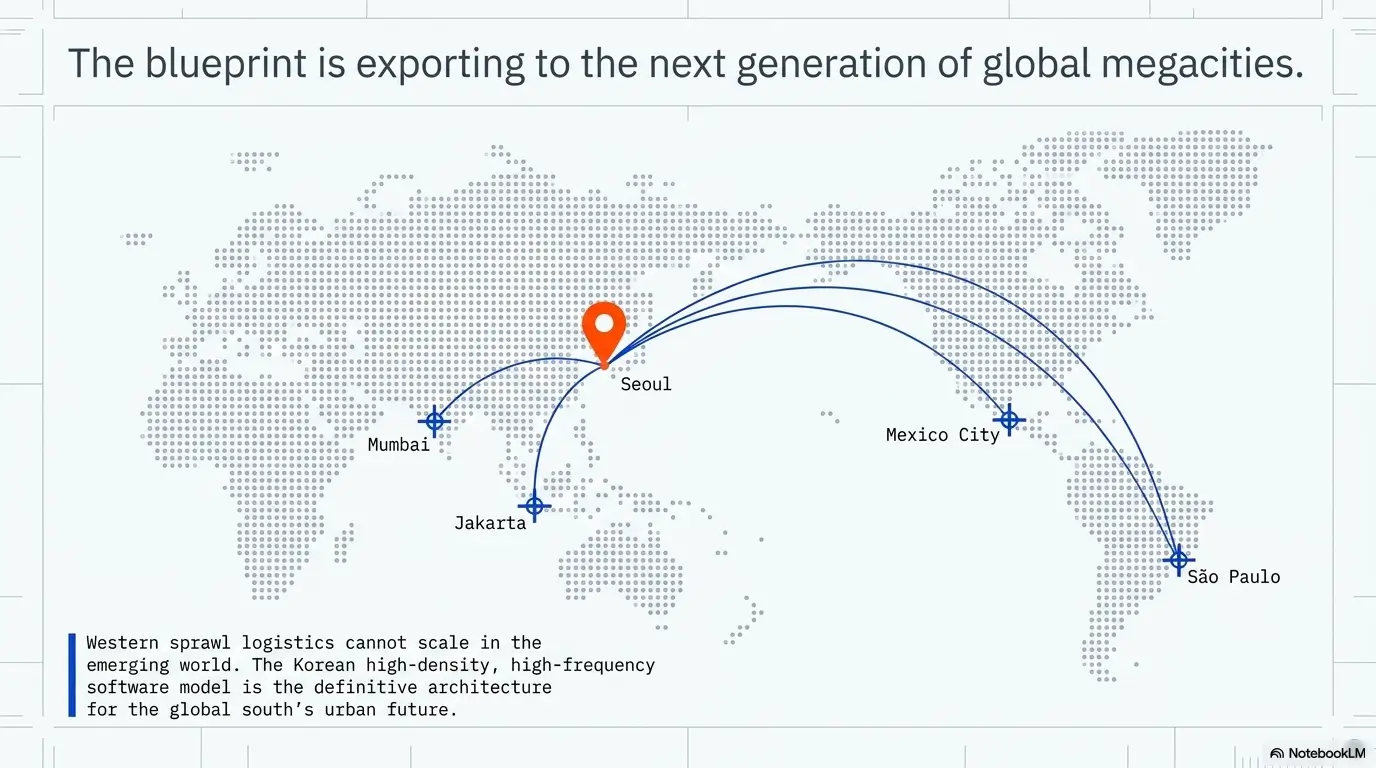
What Western Markets Can Learn Without Copying Korea Blindly
Korea’s delivery model is useful to study, but dangerous to copy without context. The lesson is not “make an app that looks Korean.” The lesson is to understand the conditions that made Korean delivery feel natural.
Local density matters more than national population size
A country can have a large population and still be difficult for delivery if customers and restaurants are spread out. A smaller district can be more attractive if restaurants, riders, and repeat customers sit close together.
For founders, researchers, or market analysts, the best way to choose a delivery strategy is to compare neighborhoods, not just countries.
Restaurant readiness beats app design alone
A polished app cannot compensate for restaurants that are not prepared for packaging, timing, menu clarity, and customer service. Delivery success depends on the restaurant side as much as the customer side.
If a restaurant treats delivery as an afterthought, the app only makes the afterthought more visible.
Better lesson: copy the conditions, not just the interface
Western markets can borrow principles from Korea: shorter delivery zones, better packaging standards, clearer total pricing, stronger pickup options, better restaurant onboarding, and more careful menu design for travel.
But they should not assume that every Korean habit can be transplanted into a car-based suburb or a market where tipping changes the final price.
Market Comparison Checklist
- Measure average distance between restaurants and target customers.
- Compare delivery fees, tips, menu markups, and minimum orders.
- List which foods travel well and which foods collapse in transit.
- Check whether restaurants already have delivery workflows.
- Look at housing type: apartments, dorms, offices, suburbs, or mixed districts.
- Compare the role of solo dining, late-night eating, and group ordering.
FAQ
Why did food delivery apps grow so quickly in Korea?
Food delivery apps grew quickly in Korea because they arrived in a market that already had strong delivery habits, dense urban neighborhoods, apartment living, fast digital adoption, intense restaurant competition, and late-night food culture. Apps made an existing behavior easier to repeat.
What Korean foods became more popular because of delivery apps?
Delivery apps helped increase visibility for fried chicken, tteokbokki, jokbal, jjigae, Chinese-Korean dishes, pizza, gimbap sets, and visually appealing spicy or cheesy foods. Many of these foods already existed as delivery favorites, but apps made them easier to compare and reorder.
Is Korean food delivery faster than US food delivery?
It can feel faster in dense Korean neighborhoods because restaurants, customers, and riders are often close together. US delivery times vary widely by city, suburb, traffic, restaurant workflow, and driver availability. The better comparison is district to district, not country to country.
How did delivery apps affect Korean restaurant culture?
Delivery apps made restaurants more visible and more exposed to reviews. This increased pressure around packaging, speed, menu photos, portion clarity, and customer service. Restaurants that handled delivery well could become regular household choices, not just places people visited in person.
Did Korean delivery apps change home cooking habits?
Yes, especially for busy workers, students, and one-person households. Apps reduced the need to plan dinner in advance. They did not eliminate home cooking, but they made delivery a normal alternative on tired nights, late nights, and craving-driven evenings.
Why are apartments important to Korea’s delivery economy?
Apartments concentrate many potential customers in one location. That makes delivery routes shorter and more efficient, especially in districts with many restaurants nearby. Apartment living also encourages repeat ordering because the delivery address is easy to find and serve.
How did one-person households influence Korean food delivery?
One-person households increased demand for smaller portions, solo sets, convenience meals, and low-effort dinner options. Delivery apps helped normalize ordering alone, turning food delivery into a practical everyday tool rather than something only for groups.
What can US food delivery companies learn from Korea?
US companies can learn to focus on delivery density, restaurant readiness, menu design, packaging quality, clear total pricing, and repeat-order trust. The lesson is not to copy Korea exactly, but to understand which local conditions make delivery feel valuable.
Next Step: Compare One Meal Across Two Markets
The fastest way to understand Korea’s delivery boom is not to argue about apps in general. Compare one meal.
Pick fried chicken, pizza, noodles, tteokbokki, or a rice bowl. Then compare how that meal behaves in a Korean apartment district and a Western neighborhood you know well.
The 15-minute meal comparison
Within 15 minutes, write down the answer to six questions: How far is the restaurant? How much is the total order cost? Does the food travel well? Is tipping part of the decision? Is the portion designed for one person or a group? Would you reorder it on a tired weekday?
That small comparison will teach more than a grand theory. It turns “Korea has fast delivery” into a sharper idea: Korea’s delivery apps changed food habits quickly because they met a culture, a city form, and a restaurant system already leaning toward the doorbell.
One practical next step
Open any delivery app or restaurant menu you already use. Choose one familiar food category. Compare delivery distance, total cost, packaging risk, and portion style against a Korean example. The answer will not just explain food delivery. It will explain how cities teach people what dinner can be.
Last reviewed: 2026-07