
The Logic of Visible Care: Decoding Korean Couple Culture
What looks, at first glance, like an overdecorated romance calendar in Korea often turns out to be something more practical: a way of making care visible before a relationship has years behind it. Korean couple culture is not just about cute photos or matching items; it is a social language built from timing, symbolism, and repeated effort.
For many Anglo-American readers, the friction starts with 100-day anniversaries, Pepero Day gestures, and White Day expectations. From the outside, it can feel excessive or commercial. However, to view it that way is to miss the emotional function of these rituals.
“These milestones function less as random extras and more as legible proof of care.”
This guide helps you decode that logic without stereotyping or flattening it into trivia. The method is simple: Look at the ritual, find the function, and the calendar starts making human sense.
Fast Answer: In Korean couple culture, small anniversary dates often grow into a full relationship calendar because they act as emotional checkpoints, social signals, and shared rituals. What can look excessive from the outside often functions as visible effort from the inside. Dates like 100 days, White Day, Pepero Day, Christmas, and monthly milestones can help couples express care, track seriousness, and create a repeating rhythm that makes the relationship feel more legible.
Table of Contents
Start Here: Why Small Dates Multiply So Fast in Korean Couple Culture
A date is rarely just a date in a highly social relationship culture
One of the easiest mistakes Western readers make is assuming that an anniversary is only a private emotional marker. In Korea, relationship milestones often carry a second life. They are not merely felt. They are also recognized, performed, remembered, and sometimes lightly expected. That changes the weight of a small date.
I remember once hearing a foreign student laugh at the idea of a 100-day celebration. He treated it like a spreadsheet had somehow become romantic. Then his Korean friend answered with perfect calm: “It’s not about arithmetic. It’s about whether you noticed.” That line does a great deal of work. In many relationships, dates become proof not of mathematical obsession but of attention.
That is why the calendar multiplies. Once a couple accepts that time markers are meaningful, more markers begin to matter. A remembered date says, “I was paying attention while this relationship was becoming real.” In that sense, the calendar is not clutter. It is narrative.
Why 100 days can matter almost as much as a yearly anniversary
For many Americans, a one-year anniversary feels intuitive because it follows the larger cultural logic of birthdays, tax years, leases, school years, and all the other annual drums we already march to. But Korean couple culture often grants significance to 100 days because it captures something earlier and more fragile. It marks the point when a relationship is no longer brand-new but still tender enough to need reassurance.
A year says endurance. A hundred days says momentum. That difference matters. The first feels retrospective. The second feels alive. It arrives when the relationship is still making promises to itself.
In real life, that means a 100-day celebration can land with disproportionate emotional force. It comes early enough to feel intimate, but late enough to feel earned. It can be a small gift, a handwritten note, a dinner, a social media post, or simply a very intentional day. The form changes. The underlying signal remains: “We are not casual enough to drift.”
The real point is not math. It is visible effort.
This is the hinge. Once you understand visible effort, the rest of the calendar starts making sense. Korean couple rituals often value demonstrated care. Not always expensive care. Not always dramatic care. But care that can be seen, timed, remembered, and recognized.
Visible effort has a practical side. Relationships are full of uncertainty, especially in their early stages. People wonder how serious things are, whether affection is mutual, whether the other person is invested, whether this romance is floating or rooted. Small anniversary culture helps answer those questions with behavior.
That is also why forgetting a date can sting harder than outsiders expect. The missed dinner is one thing. The message received is another: “This mattered to me more than it mattered to you.” The emotional bruise rarely comes from the calendar alone. It comes from what the calendar is being asked to symbolize.
- 100 days often signals seriousness before the first yearly milestone arrives
- Small rituals reduce ambiguity in early relationships
- Remembered dates often function as proof of care
Apply in 60 seconds: When you see a “100-day” post, translate it mentally as “early proof of investment,” not “random number worship.”
Look Closer: What These “Mini Anniversaries” Are Actually Doing
They create rhythm in a relationship, not just romance
Relationships are easier to inhabit when they have rhythm. Not rigidity. Rhythm. A repeated milestone gives couples a reason to pause, take stock, and re-enter the relationship with intention. In that sense, mini anniversaries are less like fireworks and more like stepping stones across water.
Many couples do not need a giant event every time. In fact, the healthiest versions of this culture are often modest. A planned walk. A convenience-store snack chosen with care. A note tucked into a bag. A photo taken in a familiar place. Small rituals work because they make affection repeatable.
That repeatability matters. Grand gestures are memorable, but they are difficult to sustain. Smaller rituals are humbler and therefore sturdier. They fit into ordinary life, and ordinary life is where relationships either deepen or quietly lose oxygen.
Small rituals reduce ambiguity about how serious the relationship feels
Ambiguity is romantic in films and exhausting in actual human life. One reason mini anniversaries persist is that they help define the relationship without requiring a dramatic state-of-the-union speech every month. They say, gently but clearly, “We are marking this because this matters.”
Constructed illustration, not a reported event: a fictional narrator has seen this logic in many cultures, but Korean couple culture often makes it more visible. A planned milestone functions almost like emotional punctuation. Without punctuation, a relationship can start to feel like a paragraph with no commas, no stops, no breath. Everything runs together. People begin guessing what the other person feels. Guessing is usually a terrible hobby.
These rituals can prevent drift. They do not solve deeper incompatibility, of course. A matching hoodie cannot rescue a collapsing relationship. That would be asking cotton to do theology. But rituals can help couples periodically confirm that they are still writing the same story.
Why repeated milestones can feel stabilizing instead of superficial
From the outside, repetition often looks shallow. “Another date? Another gift? Another little post?” But repetition inside intimacy often serves the opposite function. It stabilizes. It reassures. It turns care from a single emotional event into an ongoing practice.
This is especially true in environments where work, school, commuting, and digital distraction can thin emotional attention. A repeated milestone interrupts autopilot. It says: pause here. Notice this. Notice us.
That does not mean every couple enjoys the same degree of ritual. Some thrive on frequent celebration. Others prefer a quieter cadence. But the underlying appeal is easy to recognize. Repetition transforms abstract affection into habits. And habits, for better or worse, are the architecture of daily love.
Decision Card: When a ritual feels meaningful vs. when it feels forced
When A: Both people enjoy marking time, even in simple ways. The ritual adds warmth and clarity.
When B: One person treats every date as a loyalty exam. The ritual starts feeling like surveillance in cute wrapping.
Time/cost trade-off: A 30-minute intentional ritual can create more connection than an expensive but resentful obligation.
Neutral action: ask what kind of celebration actually feels good before the next milestone arrives.
Beyond Valentine’s: The Calendar Is Bigger Than Many Americans Expect
100 days, 200 days, and monthly markers that keep returning
For Americans accustomed to Valentine’s Day and perhaps an annual anniversary, the Korean relationship calendar can feel surprisingly dense. Once you include 100 days, 200 days, monthly milestones, and relationship-specific dates, the map gets much fuller. But fuller does not always mean heavier. Sometimes it simply means the relationship has more touchpoints.
These dates are not equally important for every couple. That is crucial. Some couples celebrate monthly. Some only notice the bigger markers. Some begin enthusiastically and then relax into fewer observances over time. The existence of the calendar does not mean total compliance with it.
Still, the structure matters because it creates options. A couple has more chances to express care, repair distance, or renew a shared mood. That may sound sweet, and often it is. It may also sound tiring, and sometimes it is. Both can be true. Romance and logistical fatigue have always shared a kitchen.
Pepero Day, White Day, Christmas, and the seasonal layering effect
Korean couple culture is not shaped by relationship-only dates. It also layers romantic meaning onto broader seasonal events. Valentine’s Day and White Day are part of that. So are Christmas outings, Pepero Day gestures, and other recurring occasions that can be reinterpreted through couple logic.
This layering effect matters because it expands the emotional calendar without requiring each date to be invented from scratch. Public holidays and commercial events become available as relationship stages. That gives couples a wider symbolic vocabulary. The same date can be social, commercial, playful, and intimate all at once.
Constructed illustration, not a reported event: a fictional narrator once watched a pair of students in Seoul splitting a box of Pepero outside a convenience store. No grand lighting, no violin soundtrack, just fluorescent brightness and winter air. Yet the moment still felt ceremonial. That is the point. In couple culture, meaning often arrives through repetition plus recognition, not grandeur. If you want to understand why that setting matters so much, a good side route is this guide to how Korean convenience stores become tiny stages for daily life.
How commercial holidays and couple rituals start blending together
This is where critics usually raise an eyebrow, sometimes both. And fairly enough. Commercial culture absolutely plays a role. Gift industries, cafés, matching accessories, photo booths, cosmetics, and seasonal promotions all know how to flirt with romance. Korean couple culture did not grow in a vacuum sealed away from consumerism.
But reducing the entire phenomenon to shopping misses the human logic. Commercial systems are often successful because they attach themselves to an existing emotional need. The need here is not “buy more things.” It is “make affection visible, legible, and shareable.” Consumer culture exploits that need, yes. It did not invent the need out of moon dust.
Once you see that, the blending becomes easier to understand. Gifts are not always about price. They are often about timing, symbolism, and the reassurance that someone was thinking ahead of the day rather than scrambling at 9:47 p.m. with a convenience-store apology. The café side of this rhythm makes more sense too when you see why Korean cafés lean so hard into seasonal desserts and limited-time moods.
Show me the nerdy details
“Anniversary culture” works partly because calendars are easy social tools. They convert an abstract feeling into a repeatable cue. Once a cue becomes shared, businesses can market around it, platforms can amplify it, and couples can personalize it. That is why relationship rituals often sit at the intersection of emotion, commerce, and public performance.
Who This Is For and Not For
This is for US readers trying to decode Korean dating culture without caricaturing it
This guide is for people who keep encountering Korean couple references and suspect there is more going on than cute clichés. Maybe you are dating someone Korean. Maybe you live in Korea. Maybe you are a student, creator, teacher, traveler, or simply a curious reader who keeps seeing “100 days” on social media and wants to understand the deeper grammar.
If that is you, the good news is simple: you do not need to become a dating anthropologist in one afternoon. You only need a better translation layer. The language of visible effort, shared rhythm, and social signaling will take you much farther than a pile of shallow “Korean couples love matching outfits” articles.
This is for partners, expats, students, and content creators who keep seeing “100-day” references
Different readers arrive with different stakes. A partner may want to avoid accidental hurt. An expat may want to read the room better. A content creator may want to explain Korean relationship culture without turning human beings into zoo exhibits in nice cardigans. The practical need changes. The interpretive work stays similar.
I especially think this topic matters for people in cross-cultural relationships. What one person treats as a sweet extra, another may interpret as a baseline expression of care. Neither person is automatically wrong. But unspoken assumptions have a habit of becoming emotional splinters.
This is not for readers looking for one rigid rule every Korean couple follows
If you are looking for a universal formula, this topic will disappoint you. Korean couples are not stamped from one mold and shipped in identical gift bags. Age, personality, class background, region, religion, peer group, work schedule, and personal taste all shape how relationship rituals are practiced.
That means the most useful reading is probabilistic, not absolute. Think “often,” “can,” “may,” and “in some circles,” rather than “always.” Culture is usually a weather pattern, not a prison cell. The same caution applies when reading broader guides to Korean culture in everyday life: patterns help, but they are not handcuffs.
Eligibility Checklist: Do you need to care about this calendar?
- Yes: You are dating across cultures and date expectations keep causing friction.
- Yes: You keep seeing milestone posts and want to understand their meaning.
- Yes: You create content about Korean culture and want to avoid lazy framing.
- No: You want one fixed rule that every Korean couple obeys.
Neutral action: identify whether your goal is interpretation, participation, or comparison before reading further.
Here’s the Catch: Not Every Couple Experiences the Calendar the Same Way
Age, region, personality, and social circle all shape how much the dates matter
Not every Korean couple lives inside the same relationship calendar. Younger daters, especially those embedded in peer cultures where romance is discussed openly and displayed socially, may treat milestones as more visible and frequent. Older couples may keep some rituals but soften their performative edge. Busy professionals may trade public display for private consistency. Some couples are playful about dates. Others are deeply sincere. Many are both.
Personality matters too. A naturally sentimental person may enjoy commemorating small markers. A more private or minimalist partner may feel pressured by too many official moments. Neither position is culturally illiterate. They are simply different temperaments negotiating within a shared symbolic environment.
Younger couples may perform the calendar more visibly than older couples
This pattern is not unique to Korea, but it can become especially visible there because couple culture is already socially legible. Younger couples are often more likely to post, display, coordinate, or publicly acknowledge milestones. That visibility can make the culture seem more universal than it is.
Social platforms intensify the effect. If you are mostly encountering Korean dating through curated photos, viral posts, and aesthetic couple content, you are seeing the glossy layer. The quieter versions of the culture usually do not trend. Nobody goes viral for “we had soup and talked kindly about our week,” though honestly that is the strongest content of all.
Private couples often keep the rituals but soften the public display
One of the most useful distinctions is between having rituals and displaying rituals. Some couples absolutely keep anniversaries and special dates, but handle them with very little public fanfare. They may remember the 100-day mark, exchange a message, or go out together without telling the internet a single thing.
That matters because many foreigners confuse visibility with importance. Public display can amplify a practice, but it does not define it. A private couple may care deeply while showing almost nothing. Another couple may post everything while feeling little. The calendar itself cannot tell you which is which.
That is one reason this topic rewards nuance. It asks readers to separate the ritual from the performance layer built around the ritual. Once you do that, the whole picture becomes less cartoonish and more human.
Social Pressure Matters: Why the Calendar Can Feel Bigger Than the Relationship Itself
Couple culture in Korea often lives in public as much as in private
Publicness changes emotional math. When a culture offers recognizable scripts for how couples behave, people become more aware of where they stand in relation to those scripts. That can be comforting. It can also be suffocating. A relationship no longer belongs only to the couple. It is also read by friends, feeds, classmates, and sometimes strangers with suspiciously strong opinions.
This is why some couples experience the calendar less as a joyful rhythm and more as a running test. The pressure is not always imposed by the partner. Sometimes it arrives from the surrounding atmosphere. Everyone else seems to be posting the date, planning the outing, buying the item, reserving the table. Soon a gentle custom starts wearing the boots of obligation.
Social media, matching items, and café dates can amplify expectations
Matching items are often treated as the mascot of Korean couple culture. And yes, they are real. Shoes, phone cases, keyrings, sweaters, tiny signals that say, “We belong to the same weather system.” But what matters is not the object itself. It is the social readability of the object.
Social media amplifies that readability. A matching item no longer lives only between two people. It becomes a tiny public announcement. That can feel delightful. It can also generate comparison at industrial scale. Once people start measuring their relationship against the visible rituals of others, the calendar swells. Not emotionally at first. Socially.
Constructed illustration, not a reported event: a fictional narrator has seen this happen in small ways everywhere. Someone posts a thoughtful milestone date, and ten viewers quietly adjust their own expectations by three degrees. No one announces the shift. It simply settles into the room. The same mechanism shows up outside romance too, including in Korean group chat culture, where visibility and response timing can quietly reshape what people think is normal.
When shared culture quietly becomes comparison culture
Comparison culture is where romance picks up a headache. A custom that once helped couples express affection can begin to function like an ambient scoreboard. Who remembered. Who posted. Who bought. Who planned. Who looked happier under café lighting soft enough to flatter even terrible decision-making.
This is not a Korean problem alone. It is a modern intimacy problem. But Korean couple culture can make it especially visible because the scripts are clearer and the symbols more widely recognized. The result is a strange mix of tenderness and pressure. People genuinely want to care well for each other. They also do not want to look neglected inside a social world that has taught them what care is supposed to look like.
- Public visibility can magnify otherwise small milestones
- Matching items work as social signals, not just fashion choices
- Comparison can turn a sweet ritual into an exhausting benchmark
Apply in 60 seconds: Ask whether the pressure around a date is coming from your partner, your peers, or your feed.
Mini Calculator: Ritual stress check
Input 1: How many couple dates matter to you this season? Input 2: How many actually matter to your partner? Input 3: How many are being pushed by social comparison?
Output: If the third number is the largest, you likely have a social-pressure problem, not a romance problem.
Neutral action: remove one externally driven date and keep one meaningful one.
Do Not Misread This: Why Foreigners Often Call It “Too Much” Too Quickly
What looks performative from the outside may feel caring from the inside
Foreign readers often reach for the phrase “too much” because they are seeing the outer surface before the inner function. The performance layer is more visible than the emotional layer, so the practice looks inflated. But many customs that appear performative from the outside are experienced as caring from within. Visibility does not cancel sincerity.
Think about birthday cakes, graduation flowers, engagement rings, or anniversary dinners in other cultures. All can be mocked if stripped from their emotional context. Once you reduce a symbol to its visible shell, every ritual begins to look faintly ridiculous. Humanity has always looked a little ridiculous while trying to love on purpose.
The mistake of judging symbolism by cost alone
Another common error is assuming that value must equal expense. In couple culture, cost is often less important than timing and thoughtfulness. A small gift prepared with intention can mean far more than an expensive object bought late and presented with the emotional energy of a parking ticket.
That is why the language of “consumerism” only partially explains what is happening. Yes, commerce participates. But symbolism often outruns price. A cheap item can become precious because it was chosen at the right moment with the right shared meaning. Relationships are strange that way. A plastic keychain can become a relic while a luxury item can sit there like a very expensive yawn.
Let’s be honest: sometimes the discomfort is cultural unfamiliarity, not excess
Sometimes the simplest explanation is the most honest one. A practice can feel excessive not because it is objectively extreme, but because it is not part of your home script. We all do this. We notice other people’s rituals much more than our own because our own feel normal and therefore invisible.
I have watched Americans mock the density of Korean dating milestones while treating proposals, engagement parties, bridal showers, bachelor weekends, rehearsal dinners, and Valentine’s expectations as perfectly reasonable features of adult civilization. Every culture has its own romantic choreography. Familiarity often dresses itself up as common sense.
So before calling Korean couple culture “too much,” it is worth asking a humbler question: too much for whom? That question does not solve everything, but it opens the door to understanding instead of reflex judgment.
Illustrative Scenario: A friend of mine once dated across cultures and found herself bewildered by how seriously her partner treated small dates. She thought the reminders on his phone made the relationship feel oddly bureaucratic, as if romance had hired an administrative assistant. Then she forgot a milestone he cared about. He was not angry, exactly. Just quietly hurt. Over dinner, he explained that the date mattered because remembering it meant he did not have to wonder whether he was carrying the emotional memory of the relationship alone.
That changed the room. She did not become a perfect anniversary person overnight, but she stopped treating the calendar as silliness and started treating it as translation. Months later, she told me the real shift was small: once she understood the ritual, it stopped feeling like pressure and started feeling like a way of speaking more clearly. That same translation challenge appears all over Korean interaction, from romance to indirect communication in everyday conversation.
Common Mistakes: The Fastest Ways to Misunderstand Korean Couple Anniversary Culture
Mistaking all Korean couples for one monolithic dating style
This is the big trap. Once people learn a few recognizable patterns, they start talking as if all Korean couples live the same emotional life. They do not. Urban and rural settings differ. Teenagers and adults differ. Long-term couples and new couples differ. Private couples and highly social couples differ. So do people who love ritual and people who find too much ritual claustrophobic.
The phrase “Korean couple culture” is useful only if we remember it names a pattern, not a prison. It points to recurring tendencies, not mandatory behavior.
Assuming every milestone is mandatory or equally emotional
Even within highly ritualized dating cultures, not all dates carry equal weight. One couple may care deeply about 100 days and not care at all about Pepero Day. Another may enjoy seasonal events but ignore monthly counts. Another may celebrate almost nothing publicly yet remain highly attentive in private.
That variation matters because misunderstanding often begins when someone mistakes a cultural possibility for a personal requirement. Just because a ritual exists does not mean every individual couple is emotionally bound to it.
Reducing the whole system to consumerism and missing the relational logic
Critique is fair. Simplification is lazy. Consumerism does shape relationship behavior. But once you collapse everything into marketing, you stop seeing the emotional architecture underneath. People are not merely buying objects. They are managing uncertainty, demonstrating care, and participating in recognizable scripts of affection.
A richer reading asks both questions at once: what emotional need is this ritual serving, and how has commerce learned to package that need? That question is much harder than “it’s just capitalism with matching shoes,” but it is also much truer.
Treating calendar rituals as fake because they are visible
Visibility often triggers suspicion. If affection is shown publicly, some observers assume it must be less authentic. But public rituals are not automatically fake. Weddings are public. Funerals are public. Birthdays are public. Human beings often use visible forms to mark private meaning. There is nothing unusual about that.
The better question is whether the ritual still feels connected to the couple’s actual emotional life. When it does, visibility can be an extension of sincerity. When it does not, the ritual may start feeling hollow. The visibility itself is not the deciding factor.
Quote-Prep List: Before you explain Korean couple culture to others, gather these first
- One example of a milestone date and what it signals emotionally
- One example of variation across age or personality
- One example of social pressure complicating the ritual
- One example showing symbolism matters more than price
Neutral action: explain function before example, and example before judgment.
Don’t Copy Blindly: What Happens When People Import the Calendar Without the Context
Recreating the dates without the emotional meaning can feel oddly empty
Many people outside Korea try to borrow the visible parts of the culture because they look sweet, aesthetic, or emotionally organized. And sometimes that works. Rituals travel well when people understand what the ritual is trying to do. But copying the shell without the inner script can produce a strange result. The date is there. The dinner is there. The post is there. Yet the moment feels hollow, like a stage set after the actors have gone home.
The reason is simple. A ritual only lands when both people understand the meaning being exchanged. Otherwise it becomes pure form, and pure form rarely nourishes anyone for long.
Why imitation without shared expectations leads to resentment
This is where cross-cultural relationships often get snagged. One partner adopts the ritual enthusiastically. The other assumes it is optional, decorative, or even ironic. A mismatch grows. Soon one person feels uncared for while the other feels unfairly tested.
Constructed illustration, not a reported event: a fictional narrator has seen this dynamic ruin what were otherwise kind relationships. Not because the people lacked love, but because they treated expectations as self-evident. They were not. One person thought remembering the date was an obvious baseline. The other thought failing to remember it should not matter if daily affection was strong. Both were arguing from sincere but incompatible emotional logic.
Here’s what no one tells you: rituals only work when both people agree on the script
The healthiest version of any couple ritual is not blind compliance. It is negotiated meaning. A couple decides, explicitly or implicitly, which dates matter, how they matter, and what form of acknowledgment feels genuine rather than theatrical.
This is where maturity enters. Mature couples do not simply inherit a script. They edit it. They decide whether monthly dates feel lovely or exhausting, whether gifts matter or time matters more, whether public display feels fun or invasive. That editing process is what turns culture into a living relationship rather than a copied template.
If you remember only one practical lesson from this article, let it be this: do not ask whether a ritual is objectively necessary. Ask whether it is mutually meaningful.
- Copying the form without the script creates emptiness
- Mismatched expectations generate resentment faster than most people expect
- Healthy couples edit cultural scripts instead of obeying them blindly
Apply in 60 seconds: Before the next milestone, ask “What would make this date feel meaningful to you?”
The Deeper Pattern: What This Calendar Reveals About Korean Romance
Care is often shown through consistency, not only confession
Many Western romance narratives are confession-heavy. They privilege major declarations, emotional breakthroughs, and big verbal clarity. Korean couple culture often places more visible weight on consistency. Remembering, planning, showing up, bringing, timing, noticing. The emotional theology is a little different. Words matter, but repeated acts matter greatly too.
That is why a calendar can become meaningful. It gives consistency somewhere to live. It creates recurring opportunities for attentiveness. Seen from that angle, the culture is less about excess celebration and more about disciplined noticing.
Timekeeping becomes a language of devotion
There is something almost poetic here. Timekeeping, which usually belongs to schedules and deadlines and commuter trains, gets recruited into intimacy. The very thing that makes modern life feel mechanical becomes a way of saying, “I am keeping track because you matter.”
That tension may be part of why outsiders find the phenomenon so fascinating. Romance is often imagined as spontaneous and overflowing. But here it is also rhythmic, deliberate, and calendared. The heart borrows a planner and somehow does not become less tender for it.
Why remembering dates can function as proof of attentiveness
Remembering a date is not the same as loving well. Of course not. Plenty of people remember dates and fail at kindness on ordinary Tuesdays. Still, in many relationships, remembered dates function as credible evidence of attention because they require foresight. You had to think ahead. You had to hold the relationship in mind before the day arrived.
That anticipatory quality matters. It distinguishes ritual from improvisation. A last-minute save may avoid disaster, but it rarely communicates the same steadiness as earlier care. In that sense, calendars are not merely about memory. They are about priority. And that logic often sits inside a wider ecosystem of speech levels and social care, which is why readers who want a broader frame may also find value in how Korean politeness works as visible respect.
Show me the nerdy details
One useful framework is to think of relationship rituals as “attention technologies.” They externalize memory, reduce ambiguity, and coordinate expectations. A calendar marker can serve as a social cue, an emotional checkpoint, and a behavioral prompt all at once. That efficiency helps explain why these rituals persist even when people complain about them.
Coverage Tier Map: How deeply a couple lives the calendar
Tier 1: Annual anniversary only
Tier 2: Annual + one early milestone like 100 days
Tier 3: Seasonal dates plus selected couple rituals
Tier 4: Monthly or repeated milestone observance
Tier 5: Highly visible, socially performed couple calendar
Neutral action: figure out your current tier before assuming your partner is in the same one.
Next Step: One Concrete Way to Use This Without Stereotyping
Pick one Korean couple ritual, trace what social need it serves, and explain that before judging the behavior itself
If you want to understand Korean couple culture without stereotyping it, use a simple method. Pick one ritual. Maybe 100 days. Maybe matching items. Maybe Pepero Day gifts. Then ask one question: what social or emotional need is this ritual serving?
Is it reducing uncertainty? Showing seriousness? Creating public legibility? Making care visible? Giving couples a shared rhythm? Once you answer that, the ritual becomes much easier to interpret fairly.
This method works because it forces you to move from surface to function. And function is where cultural practices become intelligible. Without that move, people tend to stay trapped in appearance. Everything looks cute, excessive, fake, expensive, or “so Korean” in the most useless possible sense.
With the functional lens, the whole thing becomes more human. You do not have to love every custom. You only need to see what work it is doing.
Why This Topic Keeps Fascinating Western Readers
It turns love into a visible calendar, and calendars always reveal values
People are fascinated by Korean couple culture because it externalizes something most cultures try to manage less visibly. It turns romance into a calendar, and calendars reveal what a culture thinks deserves memory, anticipation, and ritual. That is inherently interesting.
When love becomes time-marked, values become readable. You see what counts as effort. You see what counts as seriousness. You see whether public display matters, whether consistency matters, whether symbolism matters. A calendar is never just a list of dates. It is a map of what people think should not be forgotten.
The appeal lies in the tension between tenderness and pressure
This topic would not attract so much attention if it were purely sweet or purely oppressive. It is compelling because it lives in the tense middle. The rituals can feel warm, romantic, playful, and grounding. They can also feel demanding, comparison-heavy, and emotionally expensive. That tension is what makes the subject feel alive rather than decorative.
Western readers often recognize themselves in that tension, even if the form is unfamiliar. Most people know what it is like to want proof of care without wanting to turn love into homework. Korean couple culture simply makes that contradiction more visible.
What feels “extra” at first often opens a larger question about how cultures measure care
This may be the deepest reason the topic lingers. Once readers move past the novelty, they end up facing a harder question: how does my own culture measure care? Through words? Through gifts? Through time? Through exclusivity? Through public acknowledgment? Through remembered dates of our own, even if we pretend we are above all that?
That is where the article’s opening curiosity loop closes. The fascination is not only about Korea. It is about the unsettling possibility that every culture has a hidden calendar of care. Korea simply brings more of it into view. Readers who want to follow that thread into language itself may enjoy the piece on cute Korean endings used online to soften tone and signal warmth.
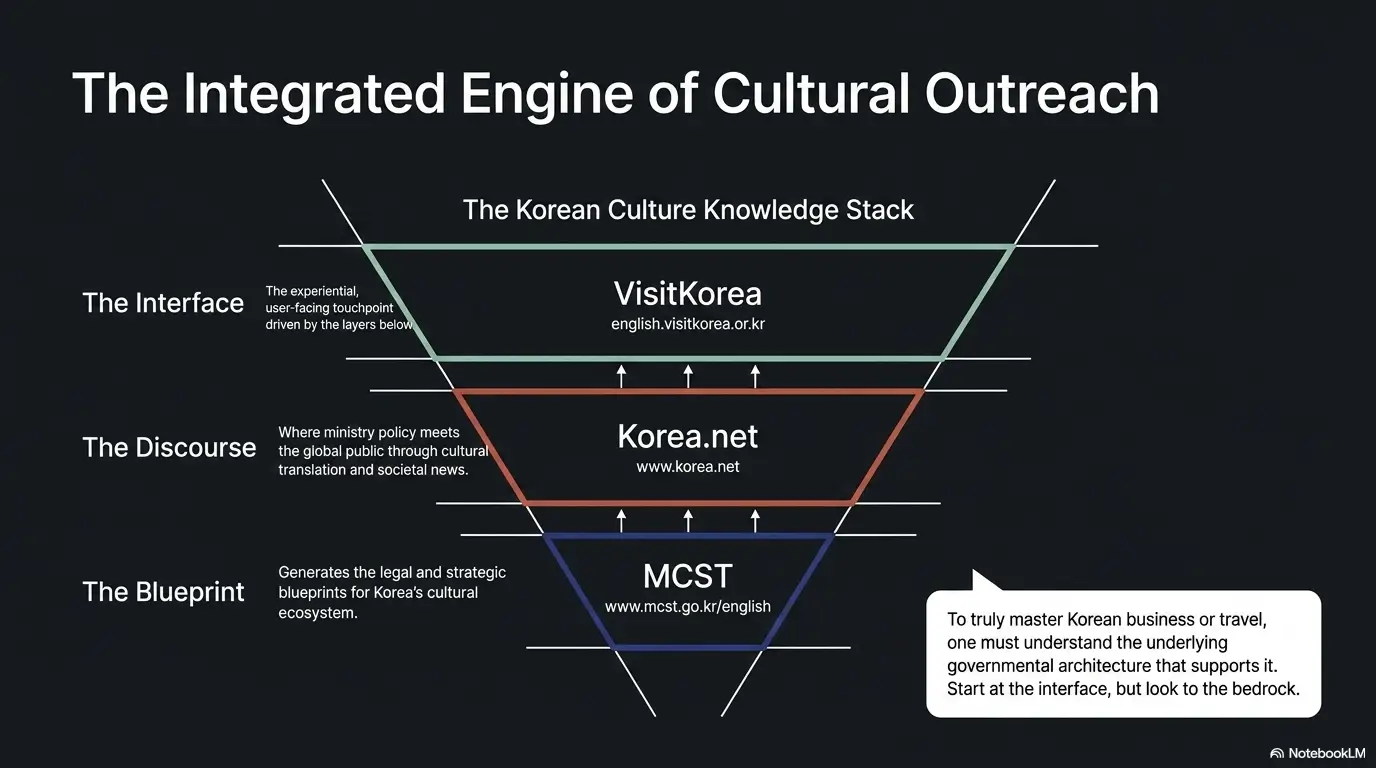
Infographic: How a small date becomes a whole relationship calendar
1. Milestone appears
100 days, holiday, monthly marker, shared date
2. Meaning attaches
Attention, seriousness, reassurance, shared rhythm
3. Social visibility grows
Friends, feeds, matching items, public recognition
4. Pressure enters
Comparison, expectation, emotional testing
5. Healthy couples edit
They keep what feels meaningful and drop what feels empty
FAQ
Why do Korean couples celebrate 100 days instead of waiting for one year?
Because 100 days marks seriousness earlier in the relationship. It can function as proof that the relationship has moved past the highly uncertain opening stage. A year marks endurance. One hundred days often marks intentional momentum.
Do all Korean couples celebrate monthly anniversaries?
No. Some do, some do selectively, and some barely acknowledge them at all. The calendar exists as a recognizable cultural pattern, but individual couples vary a great deal in how seriously they practice it.
Is Korean couple culture more intense than American dating culture?
Sometimes it looks more intense because the rituals are more visible and socially legible. But American dating culture has its own pressures, scripts, and symbolic expectations. The forms differ. The underlying desire for proof of care is not unique to Korea.
Are matching outfits and matching items considered normal in Korea?
They are common enough to be culturally recognizable, especially among younger couples, but not universal. Matching items work as visible signals of togetherness. Some couples enjoy them. Others avoid them entirely.
Is this mostly for teenagers and college students, or do adults do it too?
Adults do it too, though often with different intensity and less public display. Younger couples may perform the rituals more visibly, while older couples may keep the emotional logic but express it more privately. Readers interested in how youth social worlds shape visible norms may also find useful context in Korean campus club culture and the social choreography of Korean university orientation.
Do Korean men and women feel the same pressure around these dates?
Not always. Pressure can vary by personality, peer group, gender expectations, and relationship dynamics. In some cases, one partner may feel stronger pressure to plan, remember, or perform the ritual. That is why couple-specific negotiation matters so much.
What happens if someone forgets an anniversary date?
It depends on the couple, but hurt feelings often come less from the forgotten date itself and more from what it seems to imply about priority and attention. A missed milestone can feel like emotional asymmetry made visible.
Are these rituals romantic, commercial, or both?
Usually both. Romance creates the need for visible expression, and commercial culture offers ready-made forms for that expression. The two often blend. The key question is whether the ritual still feels meaningful to the couple involved.
The most useful way to leave this topic is not with a list of dates to memorize, but with a better question to ask. Not “Why are Korean couples doing so much?” but “What work is this ritual doing inside the relationship?” That shift changes everything. Within 15 minutes, you can test it yourself: pick one visible couple ritual, identify the need beneath it, and see whether the behavior suddenly looks less strange and more legible. Most of the time, it will.
Last reviewed: 2026-04.