

The first time you hear “body scrub,” your brain may picture a spa robe, dim lighting, and polite whispers. A Korean ttaemiri is… not that. It’s practical, efficient, and sometimes hilariously direct—in the best way.
Today, in about 5 minutes, you’ll learn exactly how to do it without feeling lost: where it happens, what to wear (by zone), how to ask in simple Korean, what to do with your eyes and your body, and how to leave with that “new-skin” calm instead of a weird aftertaste of awkward.
Contents — choose a section
Table of Contents
1) First 60 seconds: where ttaemiri happens (and why that matters)
Wet area vs dry area: the “clothes rule” that trips up Americans
In most Korean jjimjilbangs and bathhouses, your entire experience splits into two worlds: the wet bath area (showers + tubs + scrub tables) and the dry area (sauna rooms, lounges, nap zones, snack bar). The etiquette is not complicated—it’s just different than the US spa script, and it makes more sense when you understand a little of how Korean culture organizes shared spaces and routines.
- Wet area: wash thoroughly, then use tubs/steam. Clothing is typically not worn in the wet bath zone.
- Dry area: you wear the provided spa uniform (usually a tee + shorts) and wander like it’s a cozy little indoor town.
If you remember only one thing: the wet area has different rules than the dry area. Most awkward moments happen when someone mixes the two.
Gender-separated spaces: what’s normal, what’s not
The wet bath areas are commonly gender-segregated. That’s why the nudity feels “normal” inside the space: everyone’s in the same context, doing the same routine. The dry common areas are mixed-gender in many places—hence the uniforms.
Quick mental model: the wet area is a bathroom-meets-bath ritual, not a runway. The vibe is practical, not performative.
Curiosity gap: the one thing you’ll notice immediately (and it’s not the scrub)
It’s the silence of people not making it a big deal. The first surprise isn’t nudity—it’s how quickly your brain stops caring once you see the local rhythm: shoes off, shower, soak, scrub, rinse, move on.
That “oh—this is just normal here” moment is the real entry ticket.
- Wet area = wash first, minimal items, follow the bathing flow.
- Dry area = uniform on, relax, snack, nap, repeat.
- If you’re unsure, copy the calmest person nearby.
Apply in 60 seconds: Before you step through any door, ask yourself: “Am I entering wet zone or dry zone?” Then dress accordingly.
2) Who this is for / not for (so you don’t force the experience)
Best fit: first-timers who want the “full jjimjilbang story”
If you’re a US traveler or expat who likes experiences that feel genuinely local—this is for you. Ttaemiri is one of those “I did a real Korea thing” rituals that lives in your memory longer than another café photo.
Also, if you’re time-poor: ttaemiri is oddly efficient. In 30–60 minutes (sometimes less), you can go from travel-greasy to reset-human.
Not for you (today): if you’re sick, feverish, or feel faint in hot baths
If you’re currently unwell, dehydrated, or your body is already stressed, it’s okay to skip the intense heat and the scrub. You can still enjoy the dry lounges, warm rooms, and the simple comfort of slowing down—without pushing your system.
Not for you (maybe ever): if touch from a stranger will spike anxiety
This is the part people don’t say out loud: sometimes the barrier isn’t nudity—it’s being handled. If being touched by a stranger is going to crank your nervous system to 10/10, don’t “power through” just to be brave on vacation. Choose a gentler version of the experience: soak, sauna, shower, leave.
Micro-check: “Can I do this without the scrub?” (Yes—and it’s still legit)
Absolutely. A jjimjilbang visit without ttaemiri is like going to a great bakery and skipping the croissant. You’re still allowed inside. You still get the vibe.
- Option A: tubs + sauna + rinse + leave (simple, low-awkwardness).
- Option B: scrub only (fast, direct, surprisingly common).
- Option C: scrub + wash add-on (more “done for you,” less thinking).
- Yes if: you feel hydrated, you can tolerate warmth, and you’re okay with brief, practical touch.
- No if: you feel feverish, dizzy, badly sunburned, or emotionally “maxed out” by body exposure.
- Maybe if: you’re unsure—try tubs/sauna first and decide later.
Neutral next step: Walk in planning “soak first, decide later.” It’s the easiest win.
3) What to wear: the simple rule by zone (plus the towel reality)
In the wet bath area: what “nude” actually means in practice
For many Americans, this is the whole emotional mountain. Here’s the gentle truth: in the wet bath area, nudity is typically the default. It’s not a dare. It’s just how the space works.
Think of it like a pool where the uniform is “no uniform.” Everyone is there to wash, soak, and reset—not to evaluate bodies.
If you need an on-ramp: hold a small towel in front of you while walking (many people do), then set it aside when you shower or enter tubs. No speeches required.
In the dry sauna lounges: spa uniform, T-shirt/shorts, and modesty norms
In most jjimjilbangs, you’ll be given a set of clothes (tee + shorts). That’s what you wear in the dry communal areas: heated rooms, rest lounges, food zones.
If you’re in a “Korean spa” outside Korea (like many in the US), rules can vary by facility. But the same mental model usually holds: wet zone rules are different from dry zone rules.
Towel strategy: tiny towels, head-wraps, and where to put your stuff
The towels can feel comically small. That’s normal. They’re meant for wiping sweat and covering your head—not for building a full beach tent.
- One towel: wipe sweat, carry lightly, don’t drag it through water.
- Two towels: one becomes the famous “lamb head” wrap (yangmeori), one stays functional—if you want the phrase to stick, it helps to learn a few Korean words with cultural context so you’re not translating everything in your head mid-anxiety.
- Where to put items: lockers are your home base; bring only what you need into wet area.
Let’s be honest… you’re not the only one worried about this
If your brain is rehearsing how to walk from locker to shower like you’re on a stage—welcome to being human. The odd miracle is how fast that feeling fades once you start the normal sequence: rinse, sit, breathe, soak.
A small trick: focus on tasks instead of thoughts. “Shoes off. Shower. Shampoo. Rinse.” Your anxiety hates checklists.
4) What to expect during the scrub (step-by-step, no surprises)
The pre-scrub rinse: why attendants insist on it
Most scrubbers want you to be fully rinsed and warm before they start. It’s not about perfection; it’s about friction. The scrub mitt works best when your skin has been softened by water or heat.
Translation: if staff sends you back to rinse, they’re not scolding you. They’re setting the conditions for a better (and faster) scrub.
Pressure and pacing: “Is it supposed to be that intense?”
A ttaemiri can be firm. Not “spa feather-light.” More like “efficient deep clean.” Many first-timers are shocked for 10 seconds… then weirdly calm after, like their skin is exhaling.
You’re allowed to ask for less pressure. You’re also allowed to pause. You’re not ruining anything. Your body is not a rental car.
The soap-wash add-on: what it includes (and what it doesn’t)
Some places offer a scrub plus a full wash (sometimes hair, sometimes not). The confusing part is that menus vary: “scrub,” “scrub + wash,” “scrub + massage,” “scrub + oil,” etc.
- Scrub only: exfoliation + rinse (often fastest).
- Scrub + wash: exfoliation, then a soapy cleanse and rinse (more hands-off for you).
- Add-ons: can be great, but only if you want them—clarify first.
Curiosity gap: what “dead skin” looks like (and why you don’t need to stare)
Yes, you may see little gray “rolls.” It can look dramatic. It can also make you question your entire hygiene history.
Don’t spiral. This is normal exfoliation under high friction. Your job is not to audit the evidence. Your job is to rinse well and enjoy the reset.
Show me the nerdy details
Exfoliation is basically controlled abrasion: you’re removing some of the outermost dead skin cells (stratum corneum). Heat and soaking can soften that layer, which is why many scrubbers prefer you soak first. Too much abrasion too often can irritate skin—so “more” isn’t automatically “better.”
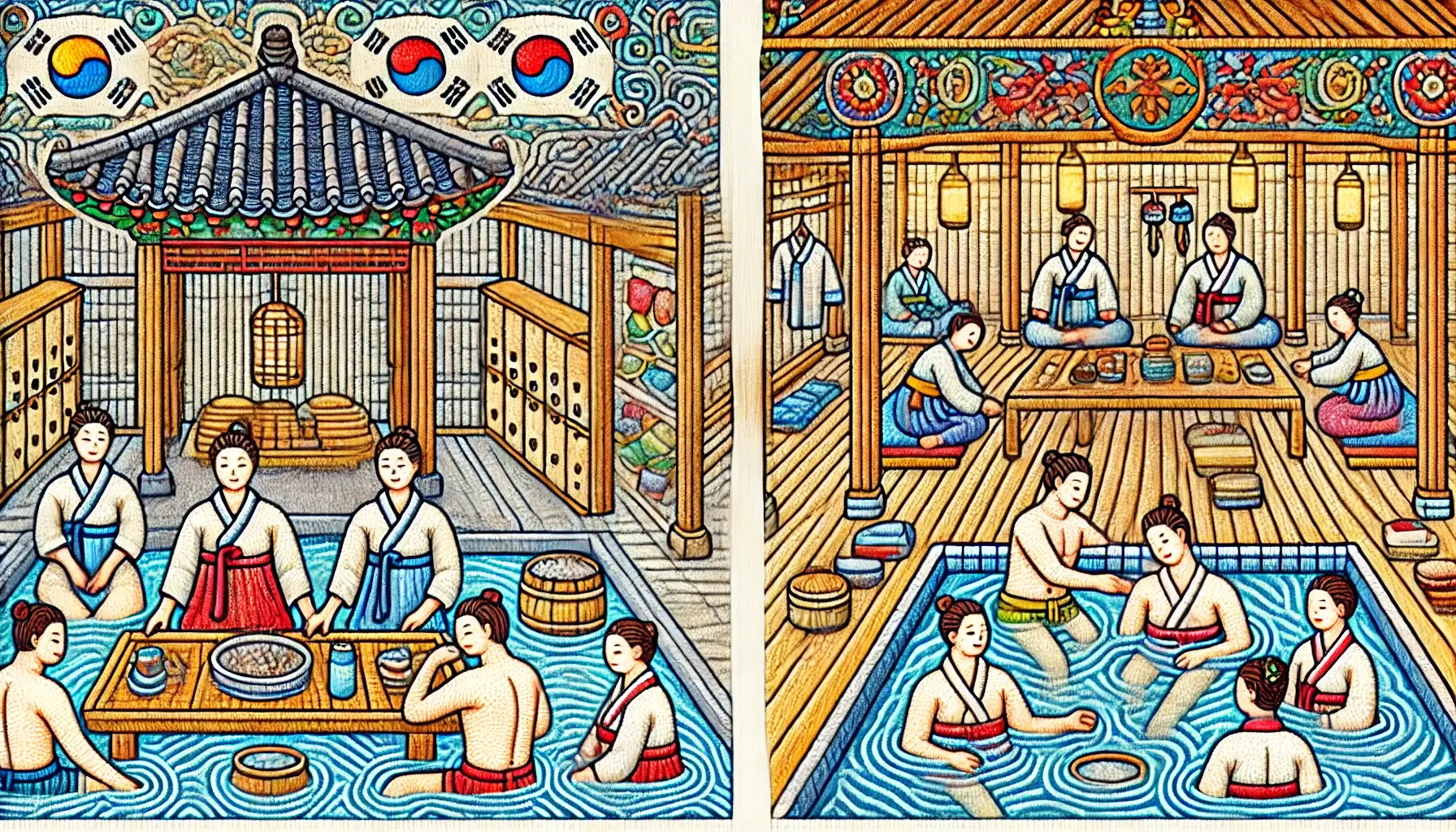
5) How to ask for ttaemiri (English, simple Korean, and “menu decoding”)
Point-and-confirm: how to order when you can’t read the sign
Here’s a surprisingly effective strategy: point at the menu item and use a short confirmation phrase. The goal isn’t perfect Korean. The goal is no accidental upgrades.
If you have a translation app (Papago or Google Translate), you can take a quick photo of the menu. But don’t get stuck trying to interpret every line like it’s a legal contract.
Useful Korean phrases (polite + short)
- “Ttaemiri hago sipeoyo.” (I want a scrub.)
- “Ttaemiri-man haejuseyo.” (Scrub only, please.)
- “Saljjak-man haejuseyo.” (A little gently, please.)
- “Apeoyo.” / “Cheoncheonhi haejuseyo.” (It hurts / please slower.)
If you’re worried about pronunciation: say it once, then use your hands to show “gentle” (a small downward motion). Kind + clear beats fluent + anxious—and if you want a quick confidence boost, it helps to know the difference between polite vs casual Korean so your “please” lands the way you intend.
Curiosity gap: the “scrub + wash + …” combo that people accidentally buy
The common mix-up isn’t “scrub vs no scrub.” It’s “scrub only” versus a bundle that includes wash, massage, oils, or extra time. Bundles aren’t bad—surprises are.
If you want the minimalist option, this single line saves money and confusion: “Ttaemiri-man.” (Scrub only.)
- Choose “Scrub only” if: you want a fast reset, you’re budget-conscious, and you don’t mind washing yourself after.
- Choose “Scrub + wash” if: you’re tired, you want less thinking, and you prefer a fully “done-for-you” finish.
- Skip add-ons if: you’re uncertain—first visit is about learning the flow.
Neutral next step: Decide your default option before you arrive, so you’re not choosing under pressure.
6) Money, tipping, and timing: avoid the awkward ending
When you pay: before vs after (and how to tell)
Payment timing varies by facility. Some places charge at the counter before you enter the wet area; others add services to your wristband key and you pay when you leave. If you’re unsure, use the simplest question in English: “Pay now or later?”
If the staff answers with a gesture (pointing at counter, or waving you through), treat that as the official policy of the building. It usually is.
Cash vs card: what to do if your phone wallet fails
Many visitors get tripped up by the “I only have Apple Pay” problem. If you can, bring a small amount of cash. Not because cash is magical—because it reduces friction in places where systems vary.
- Best-case: card works everywhere, easy.
- Realistic-case: card works for entry, cash preferred for add-ons.
- Annoying-case: certain services are cash-only.
Tipping norms: when it’s appreciated vs when it’s not expected
Americans love rules. Korea often runs on “context.” In many places, tipping is not as standardized as in the US. Sometimes it’s not expected; sometimes a small tip for personal services is appreciated.
If you want a clean, respectful approach: tip only if it feels appropriate, keep it modest, and hand it discreetly. If you’re uncertain, it’s okay to skip it.
Quick sanity check before you hand over cash
- Do you know what you’re buying (scrub only vs bundle)?
- Do you know how long it takes (so you’re not late to dinner)?
- Do you know where to go after paying (wet area entrance, scrub station)?
7) Scrub etiquette on the table: what to do with your body (and your eyes)
Where to look: the respectful default (and why it’s simpler than you think)
This is the awkwardness everyone quietly carries. Here’s the easiest rule: look neutral. Look at the ceiling. Look at a tile. Look like you’re thinking about lunch.
Avoid intense eye contact and avoid scanning others. Not because it’s “forbidden,” but because it keeps the space calm and respectful—similar to how Korean bowing etiquette (jeol) is less about performance and more about keeping the social temperature gentle.
Talking vs quiet: how most locals handle it
Some people chat softly. Many stay quiet. The scrub itself is usually not a long conversation. If you want to talk, keep it simple: “Okay,” “gentle please,” “thank you.”
If silence happens, it’s not cold—it’s normal. Like a haircut.
Boundaries: how to say “no” to extras without making it weird
You can say no politely and firmly. In simple Korean: “Aniyo, gwaenchanayo.” (No, it’s okay.) Then smile. The end.
If something feels unclear, pause and ask: “Scrub only?” or “No extra.”
Here’s what no one tells you… the calmest move is saying less
When you try to over-explain, you accidentally raise the emotional temperature. A short phrase + a small gesture works better. Calm is contagious. So is chaos.
8) Common mistakes Americans make (and how to recover gracefully)
Mistake #1: going in dry (and why staff will send you back to shower)
In US gyms, people sometimes jump into a sauna half-clean. In a jjimjilbang wet area, that’s a social “no.” If you forget, the fix is easy: smile, shower, return.
Recovery line (English): “Sorry—shower first.” Then do it. No drama.
Mistake #2: wearing spa clothes into the wet area
It seems logical if you’re new: “I’ll keep my uniform on.” But wet zones usually have different norms. If you walk in wearing the uniform and someone redirects you, that’s not humiliation. That’s guidance.
Mistake #3: assuming “more heat = better scrub” (your comfort matters)
Some people force themselves into hotter rooms thinking it’s the “correct” path. It’s not. You’ll do better if you stay comfortable enough to breathe normally.
- Too hot: you rush, you tense, you hate it.
- Comfortably warm: you soften skin and relax.
Mistake #4: not clarifying “scrub only” vs “scrub + wash”
This is the money mistake. If you forget to clarify, you may get a longer package than you wanted. Again: bundles aren’t evil. Accidental bundles are.
Mistake #5: rushing out without rinsing well (the “slippery” aftermath)
After a scrub, your skin can feel slick (especially if oils or soap were used). Rinse thoroughly. Take 60 seconds. You’ll feel better in your clothes, and you’ll avoid that “why am I still soapy?” irritation later.
- Shower first if redirected—no one will remember it.
- Clarify “scrub only” if you want the minimalist option.
- Rinse well so your aftercare actually feels good.
Apply in 60 seconds: Pick your default service phrase now: “Ttaemiri-man, please.”
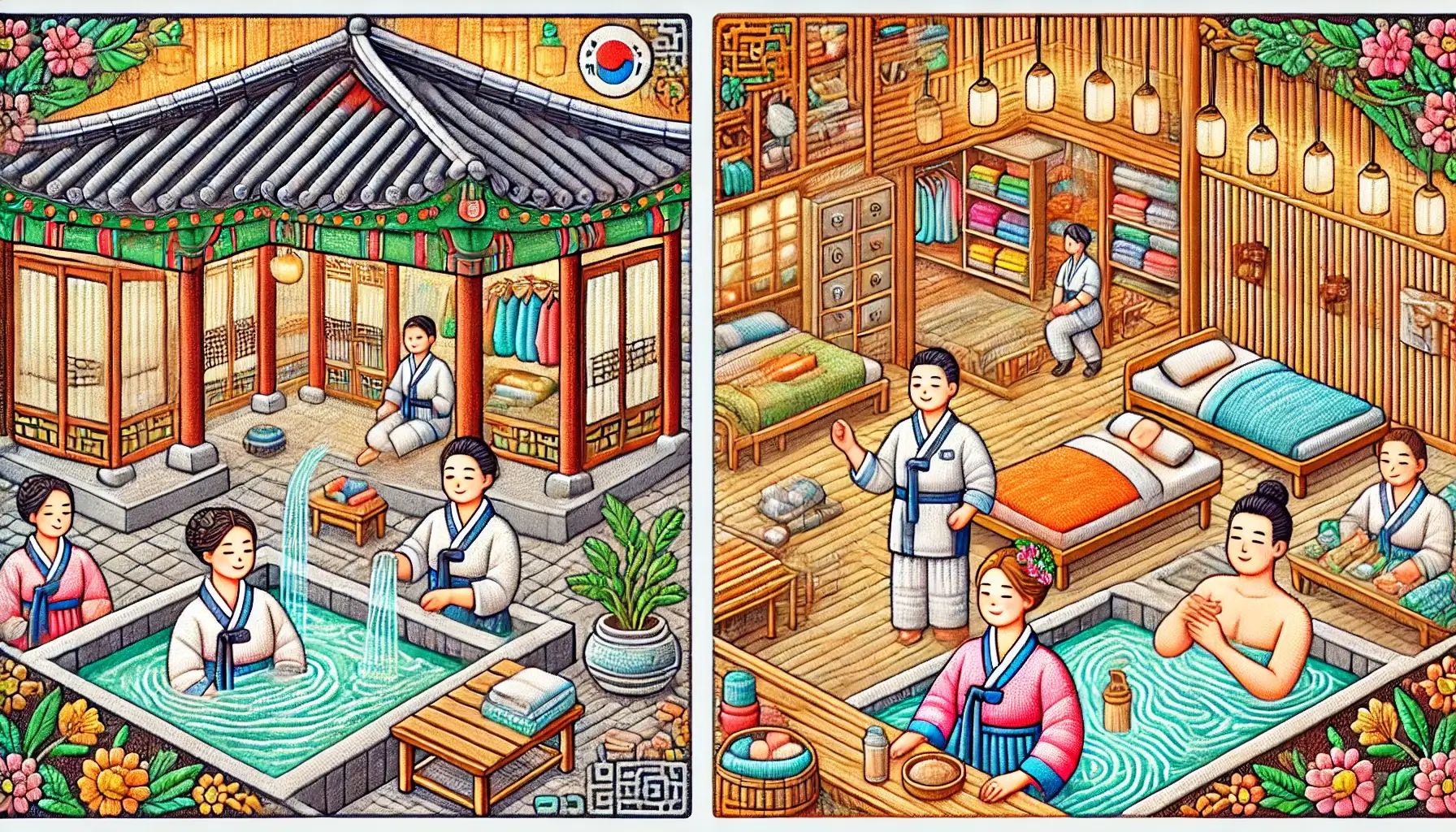
9) “Don’t do this” safety + comfort moves (low-stakes, high payoff)
Don’t shave right before (irritation risk you’ll regret)
Freshly shaved skin + aggressive exfoliation can feel like a bad idea that takes 48 hours to apologize. If you can, avoid shaving right before. Give your skin a little buffer.
Don’t scrub hard again the same day (you already did the thing)
After ttaemiri, your skin doesn’t need you to “finish the job” with a harsh towel in your hotel shower. Let the scrub be the scrub. Your skin likes mercy.
Don’t skip hydration after hot rooms
Heat and sweating can sneak up on you—especially if you’ve been walking all day, drinking coffee, or traveling with jet lag. Water isn’t a wellness cliché here; it’s how you prevent the “why do I suddenly feel weird?” moment.
If you feel dizzy: the three-step reset (sit, sip, cool down)
- Sit somewhere stable (bench, locker area, cool hallway).
- Sip water slowly.
- Cool down before returning to any hot room.
Practical check: Use the specific questions below. A generic formula cannot establish an obligatory gift, safe treatment, legal protection or the right purchase for every situation.
10) Aftercare and re-entry: how to leave feeling amazing (not raw)
Lotion timing: immediately vs later
After exfoliation, many people love applying moisturizer soon after drying off—especially in winter when the air can be dry. If your skin feels sensitive, go simple: fragrance-free, minimal ingredients, gentle touch.
If you want a practical product framework (especially for winter dryness), see the ultimate guide to Korean skincare for a no-drama approach to barrier support after exfoliation.
Sauna after scrub: when it feels great, when it feels like too much
Some people feel fantastic going back into a warm room after scrubbing. Others feel “too exposed.” The safe approach is practical: try 5 minutes, then reassess.
How often is “normal”: the frequency question everyone asks
There’s no single schedule. Many people treat ttaemiri as an occasional reset—especially when traveling or after long, sweaty days. If your skin gets irritated easily, less frequent is smarter.
Mini ritual: rinse → hydrate → rest (the quiet “K-spa glow” formula)
If you want the “glow” without the post-spa crash, keep it simple:
- Rinse well so you don’t carry residue into clothes.
- Hydrate so heat doesn’t tax you later.
- Rest for a few minutes before heading back into winter air or subway stairs—especially if you’re doing Korea as a longer trip (a 14-day South Korea itinerary gets a lot easier when you build in “reset rituals” like this).
FAQ
Is a Korean body scrub (ttaemiri) done fully nude?
In many traditional jjimjilbangs and bathhouses in Korea, yes—ttaemiri happens in the gender-segregated wet area where nudity is the norm. The dry common areas usually require the provided uniform.
What do women wear for ttaemiri in a jjimjilbang?
In the women’s wet area, typically nothing (nudity is standard). Some women carry a small towel while walking, but you’ll shower and rinse fully during the process. In the dry areas, you wear the provided tee and shorts.
What do men wear for ttaemiri in a Korean spa?
Same concept: men’s wet area is typically nude; dry areas use the spa uniform. Always follow the facility’s posted guidance if it differs.
Do you tip for a Korean body scrub in Korea?
Tipping practices vary and are not as standardized as the US. Some visitors tip modestly for personal services; others don’t. If you tip, keep it discreet and small. If you’re unsure, it’s okay to skip.
How much does ttaemiri usually cost in Seoul?
Pricing varies by venue, location, and whether you choose add-ons. Many menus list scrub services in the “tens of thousands of won” range, with bundles costing more. The clean move is to ask “scrub only?” and confirm price before starting.
Does ttaemiri hurt, or is it relaxing?
It can feel intense, especially the first time. Many people describe it as “firm but effective.” If it hurts, ask for gentler pressure or a slower pace.
Can I ask the attendant to be gentler?
Yes. Keep it simple: “gentle, please,” or in Korean, “Saljjak-man haejuseyo.” A small hand gesture helps.
Can foreigners get a ttaemiri if they don’t speak Korean?
Yes. Pointing at the menu, using a translation app, and using one or two short phrases is usually enough. Calm and clarity matter more than perfect pronunciation—and if you’re worried about accidentally sounding too blunt, skimming a Korean honorifics guide can help you feel “polite by default.”
How long does a Korean body scrub take?
Commonly 20–40 minutes for the scrub itself, plus time to soak, rinse, and re-dress. If you’re scheduling around plans, a 45–75 minute buffer usually feels comfortable.
How often should you do a Korean body scrub?
There’s no universal rule. Many people do it occasionally as a “reset.” If your skin gets irritated easily, space it out more and keep aftercare gentle.
A short consent conversation before a body scrub
Before booking, explain what you are comfortable with and ask what the service includes. You can say, “처음이라서 설명해 주세요” (It is my first time; please explain) and “좀 약하게 해 주세요” (Please use lighter pressure). If you want the treatment to stop, “그만해 주세요” means “Please stop.” Agreeing to a scrub does not mean agreeing to every pressure level or extra service. Ask about clothing and privacy before entering the treatment area.
A reader question: Can I stop after the scrub has begun?
Yes: say clearly that you want it to stop. Confirm billing and cancellation terms before starting, and seek individual clinical advice about skin concerns rather than treating etiquette guidance as medical clearance.
12) Next step: your 3-line plan for a zero-stress first scrub
Pick a time when you’re not rushed (weekday morning is easiest)
If you can choose, go when your day isn’t stacked. The experience is calmer when you’re not checking your phone like it’s an air-traffic control panel.
Bring: cash, hair tie, basic toiletries (optional), and calm expectations
Many places provide soap and shampoo. Some don’t. The safe move is a small kit: hair tie, basic toiletries, and a little cash for add-ons. You’ll feel oddly powerful having what you need.
If this is part of a bigger trip plan, having travel insurance for South Korea can be a quiet stress-reducer—less about the spa, more about the “life happens” moments around it.
Use this script at the counter: “Ttaemiri, please—scrub only.”
If you want to do the simplest version, this is the phrase that prevents the accidental bundle: “Ttaemiri-man, please.”
Then do the sequence: shower → soak (optional) → scrub → rinse → breathe like a person who just finished a small, brave thing.
Conclusion: close the loop and leave like a pro
Remember that curiosity loop from the beginning—the surprising part isn’t the scrub, it’s how quickly the entire room teaches your brain to relax. Ttaemiri looks intimidating from the outside, but inside it becomes a simple ritual: wash first, be respectful, ask clearly, rinse well, leave calmer than you arrived.
Shoes off → store valuables → grab towel
Wash thoroughly (this is the social “yes”)
Warm up skin for easier scrub
Scrub only vs scrub + wash (clarify!)
Rinse well → water → rest
Accessibility note: This graphic is a step-by-step flow showing the recommended order for a first ttaemiri visit.
- Use “Ttaemiri-man” to avoid accidental bundles.
- Ask for gentle pressure if needed—no shame.
- Give yourself 75 minutes so you’re not rushing.
Apply in 60 seconds: Save one sentence in your phone notes: “Ttaemiri-man, please (scrub only).”
If you want a little extra confidence (and some cultural context), these official and city-level guides are solid primers:
Your next step is simple and doable in 15 minutes: choose one jjimjilbang, block 75 minutes on your calendar, and copy the “scrub only” phrase into your phone. If you’re still building travel logistics around arrival day, this South Korea airports overview can help you plan buffers so you’re not sprinting from baggage claim straight into a scrub. Then show up and let the space teach you the rest.
Last reviewed: 2026-01-10
Practical example and reader question added October 20, 2026. Existing source dates are retained; this addition is not a fresh verification of every earlier claim.