
A child comes home from school quieter than usual. No dramatic bruise. No movie-scene confession. Just a backpack dropped too carefully, a lunch barely touched, and a sentence that arrives sideways: “I don’t want to go tomorrow.” For US parents, educators, expat families, and international-school staff, child protection in Korea can feel both highly structured and hard to read.
The pain is modern and specific: bullying may happen in a group chat, neglect may hide behind politeness, and school safety concerns can move through channels that do not look like American CPS, district offices, or Title IX-style reporting. Guessing costs time. Waiting for certainty can cost safety.
This guide helps you understand how Korea’s child welfare law, school procedures, police response, local government roles, and reporting culture fit together. It is not legal advice. It is a plain-English map for asking better questions, documenting calmly, and knowing when “let’s wait” is the wrong chair to sit in.
The Korea Child Safety Map In One Breath
Child protection in Korea combines national child welfare law, school safety systems, local government response, police involvement, and institutional reporting duties. Schools are expected to notice signs of abuse, neglect, school violence, sexual misconduct, unsafe behavior, and serious emotional risk, then escalate concerns through policy and legal channels.
The system can be more formal than many US readers expect. The hard part is not always whether a rule exists. Often, it is whether the adults in the room recognize the moment quickly enough to use it.
Contents — choose a section
Table of Contents
Safety Disclaimer: What This Guide Can And Cannot Do
This guide is for general education. It is not legal advice, school policy advice, immigration advice, medical advice, or emergency guidance. Child protection rules can depend on the child’s age, school type, visa status, location, incident type, severity, witnesses, and whether there is immediate danger.
If a child may be in danger now, do not wait for a perfect explanation from a blog, a school meeting, or a translation app glowing heroically on your phone. Contact local emergency services, police, or the relevant child protection authority. In urgent moments, safety beats etiquette.
Korea’s Child Welfare Act is designed around the welfare and safe upbringing of children. Korea also has school violence prevention rules, child abuse response systems, and institutional duties that can apply to adults working with children. For families arriving from the US, the vocabulary may feel unfamiliar, but the central principle is recognizable: adults should not ignore credible signs of harm.
- Use it to understand the system more clearly.
- Use official agencies and school policies for case-specific decisions.
- Use emergency help when a child may be unsafe right now.
Apply in 60 seconds: Write down the local emergency number, school safety contact, and one trusted bilingual support person before you need them.
Who This Is For, And Who Should Pause First
For US Parents Trying To Decode Korean School Safety
If you are used to American terms like CPS, mandated reporter, school counselor, district investigation, Title IX, or IEP meeting, Korea may feel like the same piano played in another key. There are rules, offices, forms, and trained adults, but the way concerns surface can be more hierarchical and less conversational.
Parents may also meet a different emotional tempo. A US parent might expect direct confirmation: “Here is the incident. Here is the report. Here is the timeline.” A Korean school may begin with a careful meeting, internal review, homeroom teacher discussion, vice principal involvement, or administrative phrasing that sounds softer than the concern feels.
That softness does not automatically mean nothing is happening. It does mean you should ask clearer questions.
For Teachers, Tutors, Coaches, And Expat Staff
Adults working near children should understand their institution’s internal policy, Korean legal duties, and escalation routes. That includes teachers, hagwon instructors, sports coaches, music tutors, church volunteers, dorm staff, bus supervisors, and after-school program workers.
One practical distinction matters: suspicion is not the same as proof. A teacher is not expected to solve the whole case like a detective with a lanyard. The safer role is to notice, document, report through the correct channel, and protect the child from further exposure.
Not For Crisis Diagnosis
This article cannot decide whether a specific child has been abused, whether a teacher broke the law, whether a school failed its duty, or whether a family should file a legal complaint. Those decisions need qualified help and official review.
What this guide can do is help you stop floating in fog. It gives you a practical language for safety concerns, the kind that survives translation, emotion, and the odd school-office chair that seems built to make everyone confess to being tired.
Money Block: “Should I Treat This As A Safety Concern?” Checklist
- Yes or no: Did the child describe being hit, threatened, touched, isolated, humiliated, coerced, or afraid?
- Yes or no: Is there a visible injury, repeated behavior change, school refusal, or sudden silence?
- Yes or no: Did the issue involve an adult, older student, group pressure, sexual content, weapons, abandonment, or self-harm language?
- Yes or no: Has the child asked you not to tell anyone, but seems afraid or unsafe?
- Yes or no: Would waiting make the child easier to intimidate or isolate?
Neutral action line: If two or more answers are yes, create a written record and contact the appropriate school or authority channel today.
The Korea Safety Stack: Child Welfare, Schools, Police, And Local Government
The Four-Layer Model Most Families Miss
Korea’s child safety system is easier to understand when you picture four layers stacked like lunch boxes in a careful Korean household.
Layer one is observation. A parent, teacher, friend, tutor, neighbor, clinic worker, or school staff member notices something: injuries, fear, hunger, sexualized behavior, absenteeism, online harassment, or a child’s direct statement.
Layer two is the school or institution. This may include the homeroom teacher, counselor, child protection officer, principal, school violence committee process, safeguarding lead, or the institution’s internal reporting path.
Layer three is public response. Local governments and child protection agencies may become involved in child abuse concerns, especially when a child may need protection, assessment, counseling, or separation from harm.
Layer four is law enforcement. Police may respond to immediate danger, violence, sexual abuse concerns, criminal threats, serious assault, or cases requiring investigation.
Why “School Safety” Is Bigger Than Bullying
Many parents hear “school safety” and think only of bullying. That is too small a box. In Korea, the safety conversation can include abuse at home, neglect, corporal punishment, emotional harm, peer violence, cyberbullying, sexual misconduct, teacher misconduct, unsafe facilities, runaway risk, self-harm signals, repeated unexplained absences, and pressure from group chats that behave like tiny courts with no mercy.
For foreign families, the hagwon layer adds complexity. A child may spend long hours in private academies after school. These spaces may feel less formal than a school, but adults there still interact with children in ways that require safety awareness.
The Quiet Shift After 2020
Korea’s child abuse response changed significantly around 2020, moving toward stronger public-sector responsibility and larger local-government involvement. Before that, child protection work often relied more heavily on delegated private or nonprofit child protection agencies. The newer model places more emphasis on government responsibility, cooperation, and administrative response.
For US readers, this matters because “who handles it?” may not be one single office. A concern may move between the school, local government, police, medical providers, counseling services, and child protection agencies. The handoff can be the whole story.
A child speaks, changes behavior, shows injury, withdraws, or avoids school.
Staff document, consult policy, protect the child, and escalate concerns.
Public child protection channels may assess safety and support needs.
Immediate danger, crimes, serious threats, or urgent protection needs escalate fast.
Reporting Culture In Korea: The Rulebook Meets The Room
The Law May Say “Report”; The Culture May Whisper “Are You Sure?”
Every country has two safety systems: the written one and the human one. Korea is no exception.
The written system may say that suspected abuse or serious school violence must be reported or escalated. The human room may carry other currents: hierarchy, reputation, family privacy, fear of conflict, fear of being wrong, respect for senior staff, and anxiety about damaging a child’s future.
This is where outsiders can misread the situation. A Korean adult may appear cautious, indirect, or slow to speak. That does not always mean they do not care. Sometimes it means they are trying not to make a public accusation without procedure. Sometimes it means they are afraid. Sometimes, frankly, it means the room is protecting adults before children. The difference matters.
Let’s Be Honest: Silence Can Look Polite
In many Korean settings, restraint is a social skill. People soften statements, avoid public embarrassment, and speak indirectly to preserve relationships. That can make ordinary life smoother. It can also delay child protection when adults wait for certainty instead of recording patterns.
A child rarely hands adults a perfectly labeled file named “Evidence.” More often, they give fragments. “He was joking.” “She said not to tell.” “The teacher got angry.” “I fell.” “Everyone knows.”
The adult job is not to panic. It is also not to polish the concern until it disappears.
Why Outsiders Misread Korean Caution
US parents may expect emotional directness. Korean school staff may expect procedural patience. Those two expectations can collide like umbrellas in a subway stairwell.
A better approach is to move from accusation to process. Ask who receives safety reports. Ask what written record is created. Ask how retaliation is prevented. Ask what happens if the concern involves a teacher, older student, hagwon, bus driver, or online group chat. Process questions are harder to dismiss as “overreacting.”
If you are learning Korean communication norms, it may help to understand how indirect speech and hierarchy work in daily life. A guide to Korean indirect communication can make school conversations less confusing, especially when adults avoid blunt yes-or-no answers.
- Respect local communication norms, but keep the facts clear.
- Ask for the reporting process in writing when possible.
- Do not confuse calm tone with low seriousness.
Apply in 60 seconds: Replace “Why didn’t you act?” with “Please explain the safety process and who is responsible for the next step.”
Mandatory Reporting: What Schools And Child-Serving Adults Need To Know
Suspicion Matters More Than Perfect Proof
Mandatory reporting systems are built around a practical truth: adults often see warning signs before they can prove what happened. If a system required courtroom-level certainty before action, many children would remain unsafe until the damage became undeniable.
In Korea, school and child-serving institutions can have legal and policy duties connected to child abuse prevention, reporting, and training. The exact duty may depend on the role, institution, and incident, but the safer mindset is simple: credible concern deserves escalation through the proper channel.
That does not mean every bruise is abuse. Children fall, collide, wrestle, and invent sports using furniture, socks, and poor judgment. It does mean adults should document patterns, ask non-leading questions, and avoid dismissing repeated signs as “probably nothing.”
School Staff Are Not Private Detectives
Teachers should not interrogate children, pressure them for details, confront alleged abusers alone, or run a secret investigation worthy of a late-night crime show. That can contaminate information, scare the child, increase retaliation risk, and create legal trouble.
A safer staff response looks like this:
- Listen calmly if a child speaks.
- Do not promise secrecy.
- Record the child’s exact words when possible.
- Report internally according to policy.
- Contact external authorities when required or when immediate danger exists.
- Protect the child from being placed back into a risky situation.
The Training Obligation Behind The Curtain
Korea’s Child Welfare Act includes child abuse prevention and reporting-duty education provisions for certain institutions, including schools and child-related facilities. For readers, the practical question is not only “Does the law exist?” It is also “Has this school trained its people to act when the uncomfortable moment arrives?”
Training matters because child safety rarely announces itself with a trumpet. It arrives during pickup, lunch, bathroom breaks, hallway gossip, counseling sessions, or a child refusing to join a group chat. Staff need pattern recognition, not just a policy PDF resting nobly in a folder.
Show me the nerdy details
For practical safety work, separate three layers: legal duty, institutional policy, and professional practice. Legal duty answers whether certain adults or institutions must report suspected abuse or provide training. Institutional policy explains the school’s internal route, such as who receives concerns and how records are stored. Professional practice covers how adults speak to children, preserve facts, reduce retaliation, and avoid amateur investigation. A strong response needs all three layers. A weak response may have a beautiful policy but no trained adults, or sincere adults with no clear escalation route.
School Violence In Korea: Why Bullying Cases Can Become High-Stakes Fast
The Word “Bullying” Is Too Small
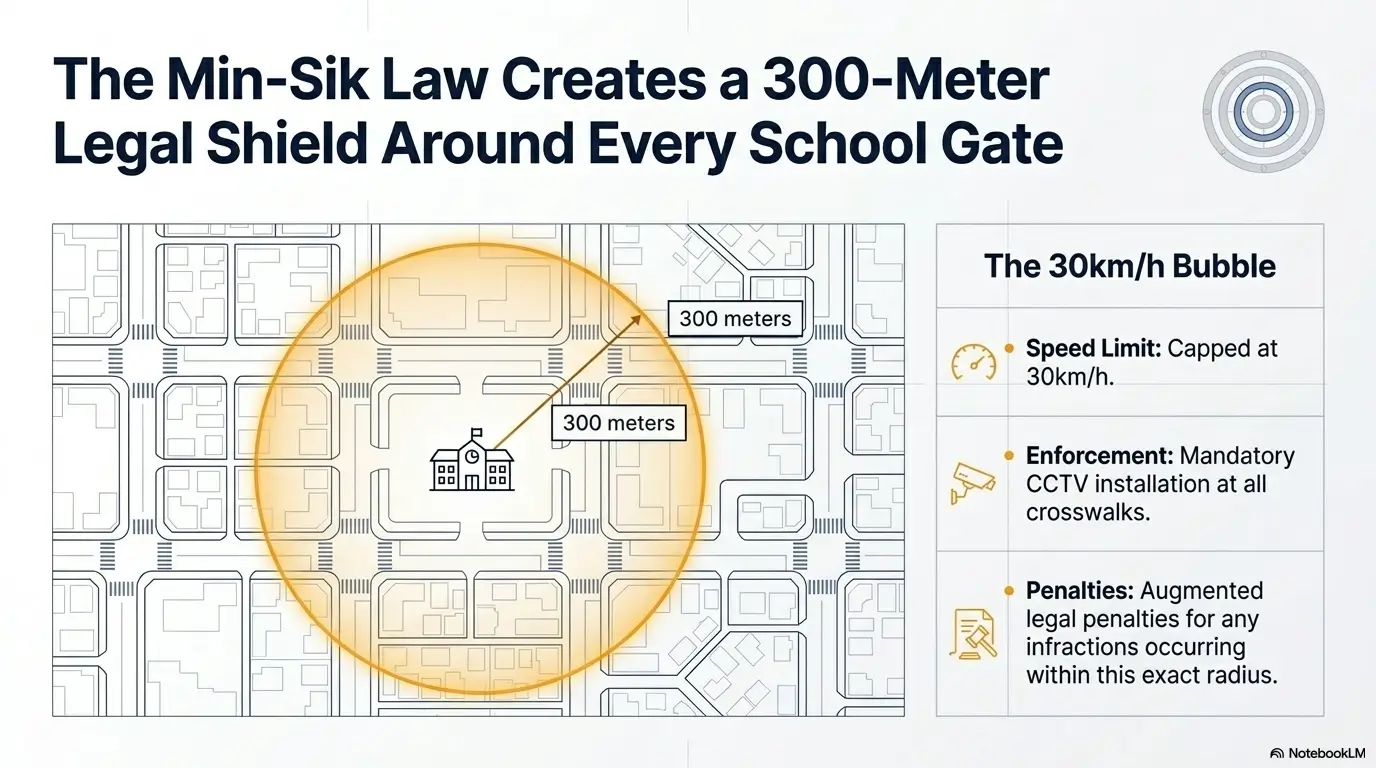
In English, “bullying” can sound like playground teasing. In Korea, school violence concerns may include physical assault, threats, extortion, sexual harassment, verbal abuse, forced errands, exclusion, cyberbullying, humiliation, coercion, group pressure, and repeated social punishment.
The online layer is especially sharp. A child may be safe in the classroom but trapped in a KakaoTalk group chat after dinner, where screenshots, insults, threats, and exclusion continue long after the school bell. The phone becomes a pocket-sized hallway with no teacher on duty.
For a broader view of how Korean school life can shape peer pressure, routines, and student identity, the guide to Korean teen life offers useful cultural context.
Records, Committees, And Future Consequences
Korean school violence cases can become high-stakes because official handling may affect student records, disciplinary outcomes, transfers, and even later educational opportunities. Government measures have strengthened attention to preserving certain school violence records and reflecting serious misconduct in admissions contexts.
That does not mean every student conflict should be inflated into a life-altering file. Children have conflicts, make mistakes, apologize badly, learn slowly, and sometimes need adults to help repair harm. But repeated violence, power imbalance, retaliation, sexual humiliation, or threats should not be treated as “kids being kids.” That phrase has buried too many red flags under a tiny blanket.
The Mistake: Treating It Like “Kids Being Kids”
Escalation signals include:
- Repeated harm after the child asked it to stop.
- Power imbalance by age, size, popularity, money, nationality, language, gender, or disability.
- Threats involving violence, exposure, exclusion, or academic sabotage.
- Online humiliation, image sharing, or sexualized messages.
- Retaliation after a child reports.
- Adults minimizing the harm because the accused student is “from a good family.”
Money Block: School Conflict Or School Violence?
| Situation | Treat As | Next Step |
|---|---|---|
| One-time argument, no threats, both students safe | Conflict | Ask school how repair and monitoring will happen. |
| Repeated teasing, exclusion, or group pressure | Possible school violence | Document dates, screenshots, and witnesses. |
| Physical assault, threats, sexual content, extortion | Serious safety concern | Escalate immediately through school and official channels. |
Neutral action line: When harm is repeated, threatening, sexual, or retaliatory, move from casual conversation to written safety documentation.
Child Abuse Versus Discipline: The Line That Creates Confusion
When “Strict” Becomes Unsafe
Korea is famous for high educational expectations. A strict study schedule, firm teacher voice, and intense exam culture do not automatically equal abuse. Many families accept a level of academic pressure that US readers may find startling, especially around test periods and hagwon routines.
But strictness becomes unsafe when it involves physical pain, intimidation, humiliation, emotional cruelty, isolation, coercive control, neglect, sexualized behavior, deprivation, or threats. A child can be disciplined without being degraded. A classroom can be orderly without becoming a tiny weather system of fear.
For more context on why grades and growth markers can carry unusual emotional weight in Korean families, see why Korean parents track height and grades. That pressure may explain some adult behavior, but it does not excuse harm.
Don’t Do This: Don’t Debate The Label First
When a concern appears, adults often rush to label it: abuse, discipline, bullying, cultural difference, misunderstanding, personality conflict. That debate can become a maze with velvet walls.
Start with observable facts instead:
- What did the child say?
- What did you see?
- When did it happen?
- Who was present?
- What changed afterward?
- Has it happened before?
- Is there immediate danger?
Labels matter later. Facts matter first.
The Practical Test: What Changed In The Child?
Watch for changes in sleep, appetite, injuries, fearfulness, school refusal, regression, sudden silence, aggression, stomachaches before school, academic collapse, panic around certain adults, or refusal to use a device because messages are waiting there like wasps.
One sign does not prove abuse. A pattern deserves attention. When children cannot explain what happened, their bodies and routines often start making noise for them.
- Record behavior changes without exaggeration.
- Write down exact words when possible.
- Separate discipline you dislike from conduct that may be unsafe.
Apply in 60 seconds: Write one sentence beginning with “The observable change is…” and keep it free of conclusions.
International Schools And Korean Schools: Same Country, Different Paper Trails
One Country, Several School Cultures
Korea has public schools, private Korean schools, foreign schools, international schools, kindergartens, hagwons, tutoring centers, dorm programs, sports academies, and religious or community programs. The legal environment is Korean, but the paperwork and daily culture can vary widely.
A Korean public school may route concerns through homeroom teachers, administrators, counselors, and official education channels. A foreign or international school may use English-language safeguarding language, designated child protection officers, written policies, parent portals, and board-level oversight. Hagwons may feel more commercial and less transparent, even though children may spend many hours there.
Foreign families often underestimate the hagwon layer. A child may be safe in school but vulnerable during transportation, private lessons, late-night academy hours, or group chats formed around classes. The guide to Korean hagwons for foreign families can help parents understand that after-school ecosystem before a problem arises.
Policy Language May Be More Familiar In English-Language Schools
Many international schools in Korea publish child protection or safeguarding policies. These documents may describe staff duties, reporting concerns, student welfare, training, designated safeguarding staff, and protection from abuse or neglect.
That language may sound familiar to US or UK families. It can be reassuring. Still, a polished English policy is not the same as an American process. The outside agencies, police, reporting channels, and legal requirements remain Korean.
The Hidden Risk: Assuming “English Policy” Means “US Process”
Ask international schools practical questions before a crisis:
- Who is the designated safeguarding contact?
- How are concerns recorded?
- When are parents notified, and when might notification be delayed for safety?
- What happens if the allegation involves a staff member?
- How does the school work with Korean authorities?
- How is retaliation prevented?
English can make a family feel at home. Procedures decide whether a child is protected.
Illustrative Scenario: The Folder In The Backpack
Mina’s parents thought the problem was homework. Their daughter, usually bright and mildly dramatic about math, began hiding her academy workbook under the sofa. Her father wanted to call the hagwon and demand an explanation. Her mother, more cautious, wrote down dates first: the missed meals, the stomachaches on Tuesdays, the phrase “teacher gets close,” the friend who stopped walking with her.
When they contacted the school counselor, the notes changed the conversation. No one had to interpret a storm of panic. The adults could see a pattern. The counselor asked calm questions, helped the parents avoid confronting the teacher directly, and guided them toward the right reporting route. Later, the parents said the folder felt almost embarrassingly simple. But simple was its strength. It kept memory from melting. It turned fear into a record another adult could act on.
The lesson is plain: a calm record is not cold. It is care with a spine.
Common Mistakes That Make A Child Safety Concern Harder To Handle
Mistake 1: Waiting For A Confession
Children may minimize harm, freeze, protect an adult, fear punishment, lack vocabulary, or worry they caused the problem. Some children say “nothing happened” because the full story is too large to carry. Some fear that telling will make school worse.
Do not pressure a confession. Listen. Reassure. Record. Escalate when the concern is credible.
Mistake 2: Collecting Evidence Like A Crime Drama
It is tempting to record secretly, confront the accused person, post online, gather screenshots from other children, or ask leading questions until the story becomes what adults expect. That can damage the child’s safety and the official process.
Better: preserve what you already have, avoid public accusations, and ask the school or authority what documentation is appropriate.
Mistake 3: Translating Too Roughly
Translation can blur severity. Words like “hit,” “touched,” “joked,” “scared,” “threatened,” “ignored,” and “punished” need context. Korean honorifics, indirect speech, and school hierarchy can also soften the sound of serious conduct.
When stakes are high, use a professional interpreter or trusted bilingual adult who understands child-safety language. A casual friend may be kind but unprepared for words with legal teeth.
Mistake 4: Treating School Reputation As The Main Character
Schools care about reputation. Parents care about social consequences. Students care about not becoming the subject of hallway weather. All of that is human.
But child safety must remain central. The vase can be repaired. The child should not become the glue.
Korean school culture can include shared duties, group norms, and respect for institutional order. Understanding practices like Korean school cleaning time and Korean school uniform culture can help outsiders read the school environment more fairly. Still, cultural context should clarify risk, not excuse it.
Money Block: Do This, Not That
| Instead Of | Do This |
|---|---|
| Posting accusations in a parent chat | Create a private factual record and contact the responsible safety channel. |
| Questioning the child repeatedly | Listen once, write exact words, and avoid leading questions. |
| Confronting the alleged abuser alone | Ask school or authorities how to protect the child and preserve process. |
| Using vague translation | Use precise words, screenshots, dates, and interpretation support. |
Neutral action line: When emotions rise, move the concern into a private written timeline before taking the next step.
The Documentation Ladder: What To Write Down Before You Forget
Start With Observable Facts
Memory is sincere but slippery. Write things down while they are fresh.
Include:
- Date and time.
- Location.
- Names of people involved or present.
- Exact words used by the child or adult.
- Visible injuries or emotional state.
- Screenshots, messages, images, or links.
- Attendance changes, school refusal, or academic changes.
- Who was notified and when.
- What response was promised.
Separate What You Saw From What You Think
Write “child said the older student pushed him near the stairs” instead of “school ignored assault.” Write “teacher observed child crying after lunch three times this week” instead of “child is being abused.” The first version travels through offices. The second may start an argument before anyone checks safety.
This is not about making the concern smaller. It is about making it usable.
Here’s What No One Tells You: Calm Notes Carry Weight
Calm documentation often moves better through school offices, translators, agencies, and official review. A clean timeline can help adults see patterns without getting trapped in tone-policing.
Parents sometimes worry that factual notes sound unemotional. They do not. They sound reliable. A lighthouse does not have to shout at the sea.
Money Block: One-Page Safety Record Template
Use four headings:
- What happened: Exact words, actions, screenshots, or observed changes.
- When and where: Dates, times, class, hallway, bus, hagwon, online group, home.
- Who knows: Child, parent, teacher, counselor, principal, classmates, tutor.
- What the child needs next: Separation, medical care, safe pickup, counseling, translation, official report.
Neutral action line: Keep the record private, dated, and factual, then share it only with appropriate safety or official channels.
When To Seek Help Immediately
Immediate Danger Signals
Do not wait for the school day to end if there is immediate danger. Seek urgent help if the concern involves serious injury, sexual abuse, threats of self-harm, weapons, abandonment, a child afraid to go home, an adult blocking access to help, ongoing assault, kidnapping risk, or a child who cannot be safely supervised.
In Korea, emergency police response can be reached through 112, and emergency medical or fire response through 119. Families should also know local child protection and school reporting channels, especially if they are living outside Seoul or in a community where English support is limited.
Don’t Wait For The School Day To End
School meetings are useful for process. They are not emergency rooms. If a child may be harmed today, contact emergency services or local authorities first.
After emergency safety is addressed, you can still notify the school, preserve records, request written process information, and ask what protection measures will be used to prevent retaliation.
If You Are Unsure, Ask The Safer Question
Instead of asking, “Will I look dramatic if I report?” ask, “What could happen if I wait?”
That question has a cleaner moral compass. It puts the child at the center rather than the adult’s discomfort.
- Use emergency channels when a child may be unsafe now.
- Do not wait for a meeting if serious harm is possible.
- After safety is addressed, preserve documentation and follow the process.
Apply in 60 seconds: Save 112, 119, the school office, and the school safety contact in your phone with clear labels.
How A US Reader Should Talk To A Korean School About Safety
Use Specific, Neutral Language First
Open with safety, not accusation. This does not mean being weak. It means entering through the door most likely to stay open.
Try:
- “I am concerned about student safety because my child said…”
- “I would like to understand the school’s process for reporting this concern.”
- “Please tell me who will document this and what the next step is.”
- “I am worried about retaliation. How will the child be protected during review?”
- “If this involves possible abuse, what external reporting channel applies?”
Avoid beginning with “You covered this up” unless you already have strong evidence and qualified guidance. Even then, choose your channel carefully. A sentence can be true and still be strategically clumsy.
Ask For The Process, Not Just The Outcome
A school may say, “We will look into it.” That is not enough. Ask what “look into it” means.
Useful process questions include:
- Who receives the report?
- Will there be a written record?
- What timeline applies?
- Who speaks with the child?
- How are parents notified?
- How is retaliation prevented?
- When are outside authorities contacted?
- What support is available during the review?
Korean workplace and school communication can be shaped by hierarchy. If you need more cultural context for formal conversations, Korean meeting etiquette and Korean business communication can help you prepare a calmer, more effective tone.
Bring Translation Support When Stakes Are High
For serious child-safety concerns, translation is not decoration. It is part of protection.
Bring a professional interpreter, bilingual advocate, or trusted adult who can translate precisely. Ask them to preserve exact words. “He touched me” is not the same as “he bothered me.” “She threatened me” is not the same as “she was mean.” Child-safety language has sharp edges, and soft translation can accidentally sand them down.
If the issue involves administrative reporting, complaints, or public offices, it may also help to understand how Korea’s civil complaint channels work. The guide to the Korea public complaint system gives useful context for navigating official processes without turning every conversation into a paper thunderstorm.
FAQ
How does child protection work in Korean schools?
Child protection in Korean schools usually involves noticing concerns, documenting incidents, following internal school procedures, and escalating suspected abuse or serious safety threats to appropriate authorities. Depending on the case, the school, local government, child protection agencies, police, medical professionals, or counseling services may become involved.
Are teachers in Korea required to report child abuse?
Korean law includes child abuse prevention and reporting-duty provisions for certain child-serving institutions, including schools and preschools. Exact responsibilities can depend on the person’s role and institution, but adults working with children should treat credible suspicion seriously and follow the correct reporting route rather than waiting for perfect proof.
What is the difference between child abuse and school violence in Korea?
Child abuse often concerns harm, neglect, exploitation, or unsafe treatment by caregivers or adults responsible for a child. School violence usually concerns harm among students, such as assault, threats, cyberbullying, extortion, exclusion, or harassment. Some cases overlap, especially when adults fail to protect a child or when peer violence becomes severe.
Do international schools in Korea follow Korean child protection law?
International schools may publish their own English-language safeguarding policies, but they operate in Korea and must account for Korean law, Korean authorities, and local reporting structures. Families should read the school’s policy and ask how the school works with outside agencies when serious concerns arise.
What should a parent document before reporting a safety concern?
Document dates, times, locations, names, exact words, screenshots, injuries, behavior changes, school communications, who was notified, and what response was promised. Keep observations separate from conclusions. A calm timeline is often more useful than a long emotional summary.
Can cultural hesitation make reporting harder in Korea?
Yes, reporting can be affected by hierarchy, privacy, reputation, fear of conflict, fear of being wrong, or reluctance to embarrass a family or institution. That does not erase legal or professional duties. It means parents and staff should use clear, factual language and ask for the formal safety process.
When should a parent bypass the school and seek urgent help?
Seek urgent help when there is immediate danger, serious injury, sexual abuse concern, self-harm threat, weapon threat, abandonment, ongoing assault, a child afraid to go home, or an adult blocking access to help. In urgent cases, contact emergency services or local authorities first, then notify the school as appropriate.
What if the child says “don’t tell anyone”?
Respond with warmth, but do not promise secrecy. You can say, “I’m glad you told me. I may need to involve safe adults so we can protect you.” Children need trust, but they also need adults who will act when safety is at stake.
How should expat parents prepare before a school meeting?
Bring a short written timeline, screenshots if relevant, a list of process questions, and translation support if the issue is serious. Ask who will document the concern, what happens next, how the child is protected, and when outside authorities are involved.
Document a child-safety concern without coaching an account
Record what you observed and the child’s words as accurately as you can, keeping your interpretation separate. Do not rehearse an account with the child or post identifying details in a parent group to gather votes on what happened. Ask the responsible safeguarding or reporting contact how to provide information through the appropriate private process. If someone is in immediate danger, seek emergency assistance rather than waiting for an ordinary school meeting or online petition response.
| Focus | What to check |
|---|---|
| Observation | Separate what you saw, heard and inferred. |
| Privacy | Limit identifying information to the appropriate channel. |
| Action | Use the responsible reporting route and urgent help when needed. |
A reader question: Should I investigate every detail myself before seeking help?
No. Describe the concern and let the appropriate professionals explain the process. Avoid delaying necessary help while trying to produce a complete case or confronting a suspected person yourself.
Conclusion: Build A One-Page Safety Record Today
The quiet child at the doorway, the odd sentence after school, the group chat that suddenly goes dark: these are not moments for panic, but they are also not moments for fog. Child protection in Korea has laws, school systems, public response channels, and reporting duties. The harder part is often translating concern into action before adult hesitation becomes the loudest voice in the room.
For US parents, educators, expat families, and international-school staff, the practical move is simple. Do not begin by arguing over labels. Begin with facts. Write what happened, when and where it happened, who knows, and what the child needs next.
Your 15-minute next step: create a private one-page safety record with four headings: “What happened,” “When and where,” “Who knows,” and “What the child needs next.” Keep it factual, dated, and calm.
Then use this sentence to open the door:
“I am not trying to accuse anyone today. I am trying to understand the safety process and make sure this child is protected.”
That sentence will not solve every case. But it does something precious. It moves the room from embarrassment to responsibility, from guessing to process, from silence to care with a spine.
Last reviewed: 2026-05.
Practical example and reader question added October 20, 2026. Existing source dates are retained; this addition is not a fresh verification of every earlier claim.