Korean Group Chats: Replies, Tone and Personal Boundaries

Navigate Korean group chats by checking the group’s purpose, response expectations and tone, and set practical notification and availability boundaries.

Culture, everyday life & practical guides to Korea.
Navigate Korean group chats by checking the group’s purpose, response expectations and tone, and set practical notification and availability boundaries.

Understand how greetings, endings and relationship affect Korean text messages, and choose a tone that fits the recipient rather than translating word for word.
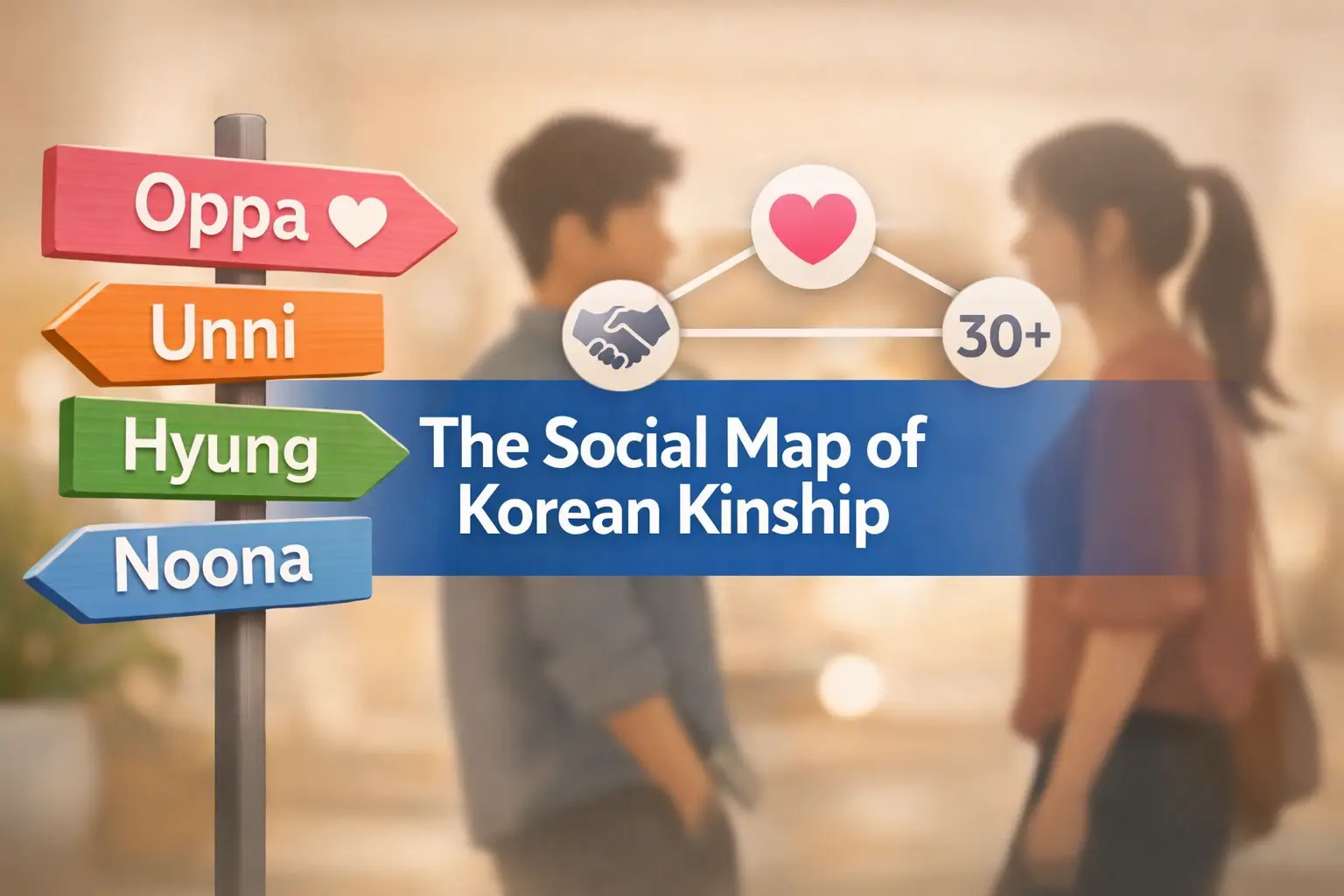
Compare the usual speaker and listener relationships behind oppa, unni, hyung and noona, and check familiarity before using a kinship term outside family.
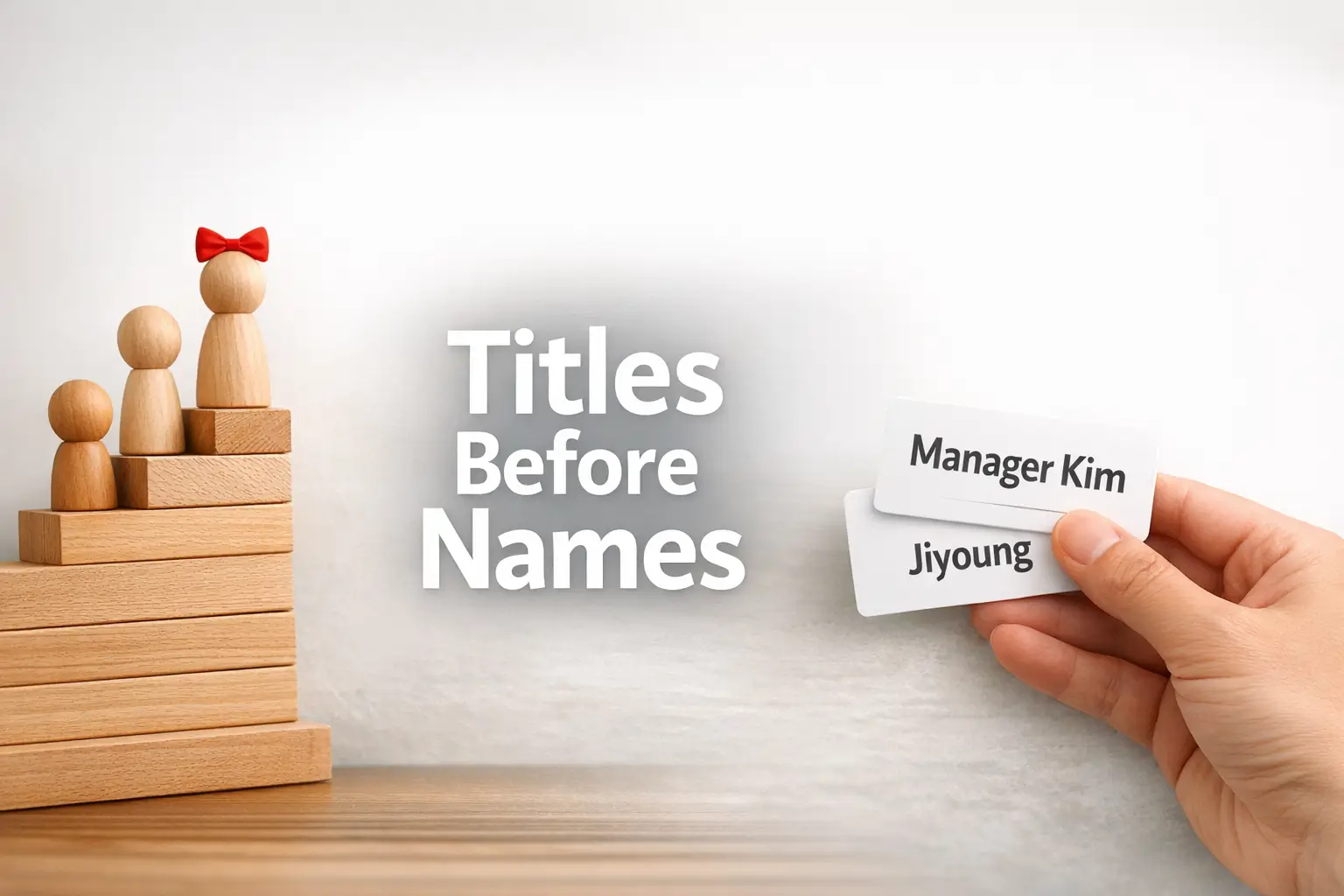
Understand role titles, names and respectful forms of address in Korean, and ask a person’s preference when age, familiarity or workplace context is unclear.

Prepare for university orientation in Korea by separating official registration tasks from social events, and check language support and participation expectations.

Interpret maybe and other indirect Korean responses through context, and ask a respectful follow-up to distinguish uncertainty, delay and refusal.

Understand how a pause can carry different meanings in Korean conversation, and use context and a clear follow-up instead of assuming agreement or rejection.

Understand why food scissors appear at Korean meals, which dishes may be cut at the table and how to follow the host’s or restaurant’s arrangement.

Explore how the shape and surface of Korean metal chopsticks affect handling, with practical ways to adjust your grip and practice without rushing.

Read Korean politeness through the relationship, occasion and setting, and use practical questions rather than treating etiquette as one fixed checklist.