Seating at Korean Meals and Meetings: How to Ask and Adapt

Notice seating arrangements at Korean meals, meetings and family occasions, and ask the host where to sit rather than assuming one hierarchy fits every room.

Culture, everyday life & practical guides to Korea.
Notice seating arrangements at Korean meals, meetings and family occasions, and ask the host where to sit rather than assuming one hierarchy fits every room.

Explore how questions about meals can work as greetings or expressions of care in Korean, and respond to the context without assuming an invitation.

Read entrance signs and household cues before removing shoes in Korea, and check slippers, socks, storage and accessibility needs when the arrangement is unclear.

Explore seasonal desserts and limited menus in Korean cafes through ingredients, branding, availability and repeat visits without treating every cafe alike.
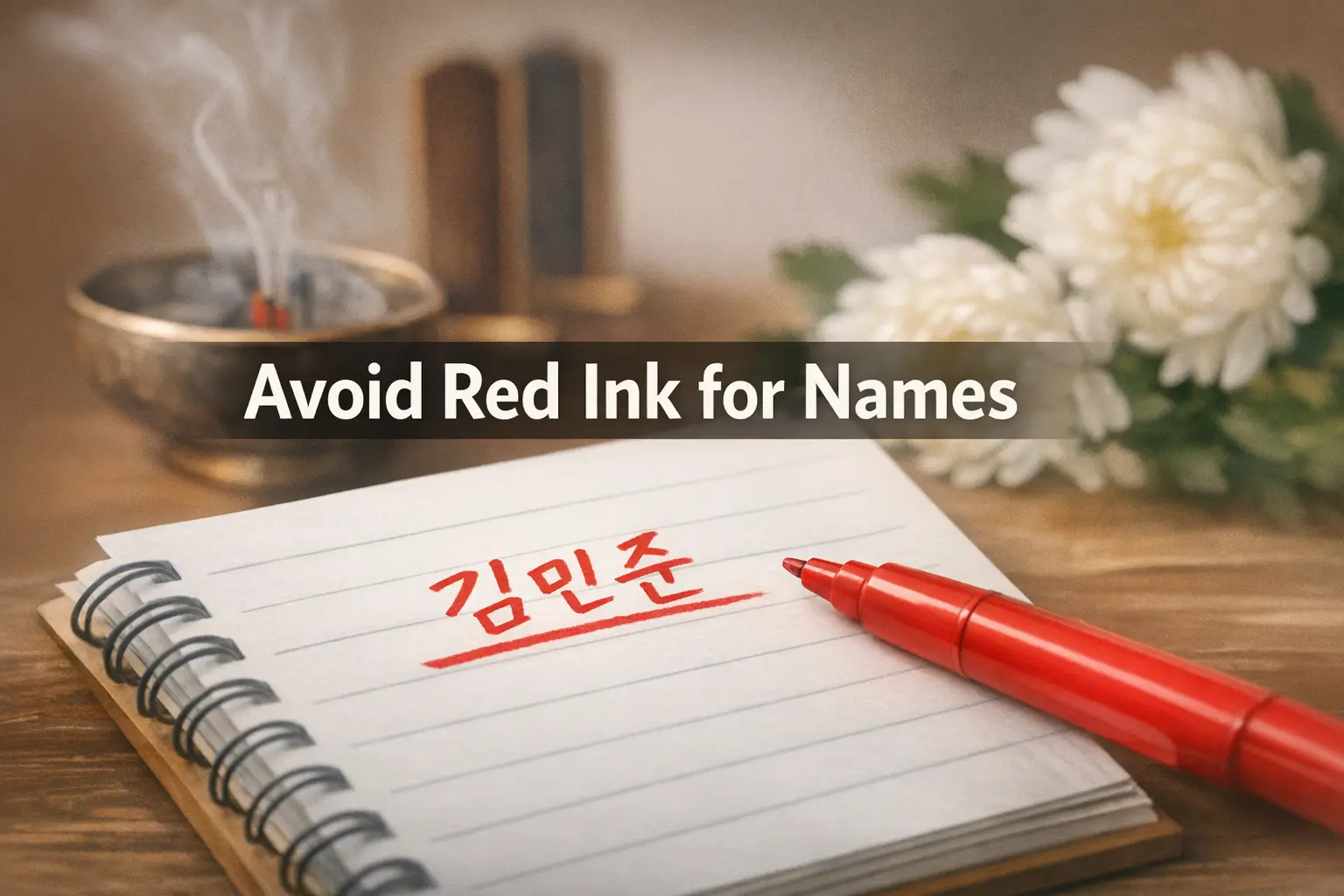
Understand the cultural associations of writing a name in red in Korea, and choose a considerate approach for cards, gifts and informal notes.

Explore how an industry, dish or historical event can shape a Korean city’s image, while looking beyond a single emblem to everyday local life.

Understand fighting and hwaiting as Korean expressions of encouragement, see when they fit and distinguish the supportive meaning from literal combat.

Plan a Seollal visit by asking about household customs, greetings, bows and gift money, and handle age-related questions without assuming every family agrees.

Share a Korean karaoke room considerately by agreeing on song turns, microphone use, group participation and payment instead of focusing only on scores.

Plan a Korean first-birthday celebration around the family, child’s comfort, dolsang and doljabi meanings, practical timing and the event’s actual scale.